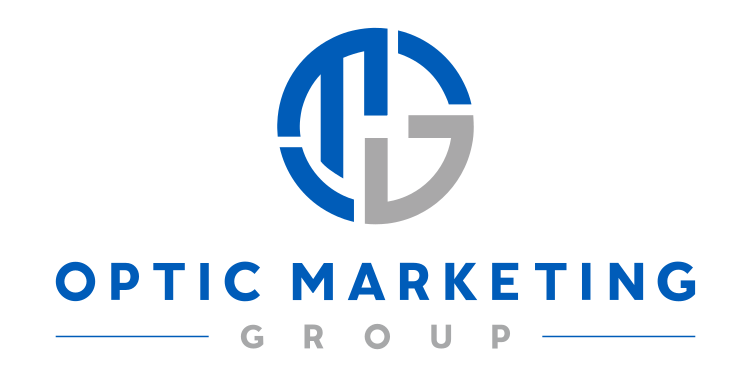

Can HVAC Businesses Still Compete on Google Ads in 2026?
The digital marketing world has always been fast-paced, but as we head into 2026, the competition for online visibility has never been fiercer—especially for home service businesses like HVAC companies. If you’re an HVAC business owner, you already know the reality: customers aren’t flipping through phone books anymore. They’re searching online, often from their smartphones, and making decisions within seconds.
One of the most powerful ways to capture these potential customers has been through Google Ads, formerly known as Google AdWords. For years, Google Ads has provided HVAC contractors with the ability to show up at the exact moment a customer searches for services like “AC repair near me” or “furnace installation in Tampa.” But with rising costs per click, increased competition, and evolving algorithms, many HVAC companies are asking themselves an important question:
Can HVAC businesses still realistically compete on Google Ads in 2026?
The short answer is yes—but only if you adapt to today’s digital landscape. Let’s break down what’s changed, what challenges exist, and how HVAC businesses can still leverage Google Ads to grow profitably.
The Current State of Google Ads Going Into 2026
Google Ads is not the same as it was five years ago. In fact, it’s barely the same as it was in 2020. A few key changes have reshaped the playing field for HVAC companies:
Rising Cost Per Click (CPC)
Data shows that cost-per-click for competitive home service keywords like “AC repair” and “emergency furnace repair” has risen steadily. In 2024, HVAC-related keywords averaged between $20–$50 per click in many major U.S. markets. By late 2025, those numbers climbed even higher in competitive metro areas. This means small HVAC businesses with limited budgets often feel squeezed out of the marketplace.
Increased Competition
Not only are local HVAC contractors bidding for visibility, but so are national chains, lead generation companies, and even directory services. This extra competition drives up costs and makes it harder for smaller players to gain traction without a strong strategy.
Google’s Automation Push
Google has shifted heavily toward automated bidding strategies and “smart campaigns.” While this makes it easier for beginners to launch ads, it also limits the control advertisers once had. For HVAC businesses, this means relying on Google’s algorithms to find the right audience—something that can either work brilliantly or waste your budget if not set up correctly.
Local Service Ads vs. Google Ads
Google’s Local Services Ads (LSAs)—the ads that appear above traditional PPC search results with the “Google Guaranteed” badge—have also changed the game. Many HVAC contractors now split their advertising budget between LSAs and traditional Google Ads, trying to figure out where they get the best return.
Why HVAC Businesses Still Need Google Ads
Despite rising costs and changes to the platform, abandoning Google Ads is not the answer. Here’s why HVAC companies still need to include Google Ads in their marketing mix:
Customers Are Actively Searching
Over 90% of homeowners start their search for home service providers online, and Google remains the dominant search engine with more than 85% market share. When someone’s AC breaks down in the middle of a Florida summer or their furnace stops working during a New Jersey winter, they aren’t scrolling through social media hoping for an ad—they’re typing directly into Google.
Immediate Visibility
Unlike SEO, which can take months to show results, Google Ads provides immediate visibility. For HVAC businesses, this is critical. You can launch a campaign today and start getting calls tomorrow.
High Intent Leads
The biggest advantage of Google Ads is that you’re reaching customers with high buying intent. Someone searching “AC repair near me” is far more likely to call and schedule service than someone who happens to see a billboard or social media ad.
The Biggest Challenges HVAC Businesses Face on Google Ads
Now that we know why HVAC companies still need Google Ads, let’s look at the challenges that make competing in 2026 more complex than it was a few years ago.
Challenge 1: Rising Costs
High CPCs are the number one challenge. Many small HVAC businesses can’t afford to spend thousands of dollars per month without seeing a direct return.
Challenge 2: Poor Campaign Management
Many HVAC contractors try to manage their campaigns themselves or hire low-cost agencies that use “cookie-cutter” campaigns. The result? Wasted ad spend, low-quality leads, and frustration.
Challenge 3: Lack of Differentiation
If your ad looks the same as your competitor’s, customers have no reason to click on yours. HVAC businesses often fail to stand out in their ad copy, which leads to lower click-through rates and higher costs.
Challenge 4: Tracking and Measuring ROI
Too many businesses don’t have proper tracking in place. Without tracking calls, form submissions, and booked jobs, it’s impossible to know if your Google Ads investment is paying off.
How HVAC Businesses Can Compete Successfully in 2026
The good news is that with the right approach, HVAC businesses can absolutely compete on Google Ads in 2026. Here are some strategies to help level the playing field:
1. Focus on Local Targeting
Instead of bidding broadly on “AC repair,” narrow your targeting to specific service areas. Use location-based keywords and geotargeting to maximize relevance and lower your CPC.
2. Embrace LSAs and PPC Together
Don’t choose between Local Services Ads and traditional Google Ads—use both strategically. LSAs capture top-of-the-funnel calls from customers who want trusted providers, while PPC ads allow for more customization and targeting.
3. Invest in High-Converting Landing Pages
Sending traffic to your homepage isn’t enough anymore. Create dedicated landing pages that match your ad copy, include strong calls-to-action, showcase reviews, and make it easy for customers to call or schedule service online.
4. Use Smart Bidding Wisely
Google’s automation can be powerful, but only if you feed it the right data. Set up proper conversion tracking so Google knows what a good lead looks like for your business.
5. Highlight Your Differentiators
Does your HVAC business offer same-day service? 24/7 emergency repairs? Free second opinions? Highlight these in your ad copy and extensions to stand out from competitors.
6. Monitor Performance Closely
Don’t “set it and forget it.” Monitor your campaigns weekly, test new ad copy, adjust bids, and refine keywords to ensure you’re maximizing ROI.
Common Mistakes HVAC Businesses Make on Google Ads
Even with all the right tools in place, many HVAC companies still fall into these traps:
- Bidding on Broad Keywords Only – Bidding on terms like “air conditioning” wastes money. Instead, target intent-driven searches like “AC repair in Tampa FL.”
- Ignoring Negative Keywords – Without adding negative keywords, you’ll waste budget on irrelevant clicks.
- Not Tracking Calls – If most leads come through phone calls, but you’re not tracking them, you’ll never know your true ROI.
- Not Using Ad Extensions – Call extensions, location extensions, and sitelinks improve visibility and performance.
- Failing to Optimize for Mobile – With most searches happening on mobile devices, your landing pages must be mobile-friendly.
What the Future Holds: Google Ads Trends for 2026 and Beyond
If you want to stay competitive, it’s important to look ahead. Here are a few trends HVAC businesses should prepare for:
- More Automation – Expect Google to rely even more on AI and automation in campaign management. Businesses that adapt early will benefit.
- Voice Search Growth – With smart home devices, more people are using voice search to find local services. Optimizing ad copy and keywords for natural language queries will be key.
- Richer Ad Formats – Expect more visual ad formats, including images and videos in search results. HVAC companies that invest in creative will stand out.
- Data Privacy and Tracking Changes – As privacy laws evolve, first-party data (like customer lists and email marketing) will become even more important for retargeting.
Why Partnering With a Marketing Agency Makes All the Difference
Managing Google Ads in 2026 is not the same as it was five years ago. Between rising costs, increased competition, and constant platform changes, many HVAC businesses find themselves overwhelmed. That’s where working with a marketing agency like Optic Marketing Group comes in.
We specialize in helping home service businesses—just like HVAC contractors—navigate the complexities of Google Ads. Our team doesn’t use “cookie-cutter” campaigns. Instead, we listen to your goals, understand your service areas, and build strategies that actually drive results.
- We create high-converting landing pages tailored to your ads.
- We track every call, form, and booked appointment to prove ROI.
- We optimize campaigns regularly to reduce wasted spend and increase lead quality.
- We combine Google Ads with SEO, social media, and other digital strategies for long-term growth.
How Optic Marketing Group Can Help HVAC Businesses Compete on Google Ads in 2026
The answer is a confident yes—but not without the right strategy. While costs are higher and competition is tougher, HVAC businesses that invest in smart, well-structured campaigns can still dominate their local markets. Google Ads continues to be one of the most powerful ways to generate high-intent leads, especially for time-sensitive services like heating and cooling.
At Optic Marketing Group, we believe in transparency, strategy, and results. We pour our heart and soul into helping HVAC contractors grow their businesses through effective marketing. If you’re ready to stop wasting money on ineffective ads and start getting real results, we’d love to talk.
All we ask is you to trust us 1%…we will earn the other 99%.
Contact Optic Marketing Group today and let’s build a Google Ads strategy that works for your HVAC business in 2026 and beyond.

SEO or GEO: How To Adjust Your Local SEO Strategy For 2026
As 2025 winds down and businesses look ahead to 2026, one thing remains clear: digital visibility is everything. For small business owners—especially those in the home services industry like HVAC, plumbing, and electrical contracting—showing up when customers search locally isn’t just important, it’s survival.
Consider this: according to recent studies, over 98% of consumers now use the internet to find information about local businesses, and 76% of local mobile searches lead to a visit within 24 hours. If your business isn’t ranking in those local searches, you’re missing out on highly motivated customers who are actively looking for your services.
That’s where SEO—or more specifically, local SEO—comes in. But as 2026 approaches, local search is evolving. Location-based strategies (what some marketers now call GEO optimization) are shaping the way small businesses show up in search results. The question is: should you lean into traditional SEO, or shift more heavily into GEO-focused tactics? The answer, as we’ll explore in this blog, is a balance of both.
In this guide, we’ll break down the difference between SEO and GEO, explain why local SEO is changing, and show you how to adjust your strategy for 2026 so your business not only survives but thrives.
What’s the Difference Between SEO and GEO?
When most people think of SEO, they imagine keyword rankings, backlinks, and website optimization. And they’re right—but that’s only part of the story.
- SEO (Search Engine Optimization) is the broad process of improving your website so it shows up in organic search results. This includes content creation, keyword targeting, site speed, mobile-friendliness, and authority building.
- GEO (Geographic Optimization) is a more focused strategy that emphasizes location-based searches. GEO tactics ensure your business shows up in the right neighborhoods, towns, or service areas when people search “near me” or use specific geo-modifiers like “AC repair in Tampa” or “plumber in The Woodlands.”
In other words, SEO builds your overall search presence, while GEO zeroes in on your local footprint. For small businesses—especially home service companies—ignoring GEO means missing the customers most likely to call you today.
Why Local SEO Is Evolving in 2026
The way people search for services is changing rapidly. Several trends are driving the shift toward GEO-focused strategies:
1. The Rise of “Near Me” Searches
Google reports that searches containing the phrase “near me” have grown by over 500% in the past few years. That trend isn’t slowing down. In 2026, expect even more users to rely on hyperlocal queries when searching for urgent services.
2. Voice Search and Smart Assistants
Voice search continues to expand as households adopt smart devices. By 2026, industry experts predict that 60% of searches will be voice-based. Voice queries are naturally conversational and location-focused, often sounding like:
- “Who installs water heaters near me?”
- “Find an HVAC company open now in Ocean City.”
3. Google’s Emphasis on Map Packs
Over the past year, Google has made its Local Map Pack results even more prominent. These are the top three businesses shown under a map when someone searches locally. Appearing here is a game-changer for small businesses. Studies show that 44% of clicks go to businesses in the Map Pack, while traditional organic results fall lower on the page.
4. Personalized and Predictive Search
Search engines are using AI to predict what people want before they even finish typing. That means your online presence needs to be highly optimized not just for keywords, but also for location, service areas, and customer intent.
How GEO Impacts Home Service Businesses
For industries like HVAC, plumbing, and electrical contracting, GEO optimization isn’t optional—it’s essential. Let’s break down why.
- Service-Based Nature: Customers aren’t looking for the best plumber in the country—they’re looking for the plumber who can be at their door in 30 minutes. GEO ensures your business shows up in those high-intent searches.
- Emergency Demand: Many home service calls are urgent. When someone’s air conditioner breaks in July or a pipe bursts in January, they’re not scrolling through page five of Google. They’ll choose one of the first results in the Map Pack.
- Local Competition: National brands may dominate traditional SEO, but GEO levels the playing field. A well-optimized local strategy allows small businesses to compete effectively in their communities.
SEO Foundations You Still Need in 2026
While GEO is crucial, you can’t ignore the broader SEO strategies that support it. Without a strong SEO foundation, your local optimization won’t reach its full potential. Here’s what to prioritize:
On-Page SEO
- Optimize title tags and meta descriptions with geo-modifiers (“Plumbing Services in Strathmere, NJ”).
- Use H1 and H2 headers strategically.
- Add location-specific content to your website, such as service area pages.
Technical SEO
- Ensure your site is fast-loading and mobile-friendly (Google now ranks sites mobile-first).
- Fix crawl errors and broken links.
- Use structured data (schema markup) to help search engines understand your services.
Content Marketing
- Create blogs and guides that answer local homeowner questions (“Signs You Need AC Repair in Tampa” or “Best Time to Replace Your Furnace in The Woodlands”).
- Update old content with new stats and location details.
Link Building
- Earn backlinks from local organizations, chambers of commerce, and community websites.
- Sponsor or partner with local events to increase authority in your area.
GEO Strategies to Master for 2026
Now let’s dive deeper into GEO—where the real power lies for small businesses in the coming year.
1. Optimize Your Google Business Profile
Your Google Business Profile (GBP) is your local storefront online. Keep it updated with:
- Accurate NAP (Name, Address, Phone Number)
- Business hours (including seasonal changes)
- High-quality photos of your team and work
- Service area coverage
- Updated posts highlighting promotions or seasonal tips
Businesses with complete GBP profiles are 70% more likely to attract location-based visits.
2. Collect and Manage Reviews
Reviews are the lifeblood of local SEO. According to BrightLocal, 87% of consumers read online reviews for local businesses, and Google considers them a ranking factor. Encourage satisfied customers to leave reviews, and always respond—positive or negative—to show credibility.
3. Local Citations and Directories
Make sure your business is listed consistently across platforms like Yelp, Angi, and industry-specific directories. Even small inconsistencies in your NAP can hurt your local rankings.
4. Service Area Pages
If you serve multiple cities, don’t lump them all into one page. Instead, create dedicated service pages targeting each location. For example:
- “Air Conditioning Repair in Clearwater, FL”
- “Furnace Installation in The Woodlands, TX”
5. Hyperlocal Content
Beyond service pages, write blogs that tie into local events, weather patterns, or community needs. Example: “How Tampa’s Humid Climate Impacts Your AC Efficiency.” This type of content signals to search engines that you’re locally relevant.
6. Mobile-First GEO Strategy
Since most “near me” searches happen on mobile, make sure your site design is responsive and click-to-call buttons are easy to find.
The Balance: SEO + GEO = Success in 2026
Think of SEO and GEO as two sides of the same coin. SEO builds your authority and online foundation, while GEO makes sure that authority shows up where it matters most—your local market.
For small business owners, the key is integration:
- Use SEO to create valuable, keyword-rich content.
- Layer in GEO to target the towns and neighborhoods you serve.
- Continuously update both strategies as search engines evolve.
The result? You show up when and where customers need you most.
Practical Steps for Small Business Owners
Here’s a simple roadmap to get started adjusting your local SEO strategy for 2026:
- Audit Your Current SEO: Check your site speed, mobile performance, and keyword rankings.
- Claim or Update Your Google Business Profile: Make it 100% complete and accurate.
- Create/Update Service Area Pages: Target your most profitable cities or zip codes.
- Request Reviews Proactively: Send follow-up texts or emails after service.
- Build Local Partnerships: Network with nearby businesses for cross-promotion and backlinks.
- Track Your Results: Use tools like Google Analytics and Google Search Console to measure local traffic and leads.
Looking Ahead: The Future of Local SEO Beyond 2026
While 2026 will see GEO-focused strategies become the norm, the future promises even more exciting changes:
- AI-Powered Search: Predictive results that understand intent before you even search.
- AR/VR Integration: Imagine customers using augmented reality to preview your services locally.
- Deeper Personalization: Search results will continue tailoring to individual behavior, location, and preferences.
By building a strong SEO + GEO foundation now, you’ll be better prepared to adapt to these innovations down the road.
Partner With Optic Marketing Group For Local SEO Success in 2026
Adjusting your local SEO strategy for 2026 doesn’t have to be overwhelming. Yes, the digital landscape is evolving, but the fundamentals remain the same: meet your customers where they are, when they need you most. That’s exactly what SEO and GEO—working together—help you achieve.
At Optic Marketing Group, we specialize in helping small businesses like yours shine in competitive markets. From Tampa, Florida to The Woodlands, Texas and beyond, our team pours heart and soul into building strategies that get results. We don’t do smoke and mirrors—we listen to your goals, understand your vision, and create a customized plan that takes your business from good to great.
If you’re ready to dominate your local market in 2026, let’s talk. All we ask is you to trust us 1%… we’ll earn the other 99%. Contact us today to start building a strategy that puts your business at the top of local searches—and keeps you there.

Why Increasing Your Social Media Presence is Crucial For SEO in 2026
As 2025 winds down and business owners look ahead to 2026, one thing has become crystal clear: the way customers discover and choose local businesses has changed dramatically. Search engine optimization (SEO) continues to be the backbone of digital visibility, but it’s no longer operating in isolation. Social media—once viewed primarily as a brand awareness tool—has become a powerful driver of SEO success.
For small business owners in industries like HVAC, plumbing, and electrical services, your online presence is often the first impression you make. If potential customers can’t easily find you on search engines or see that you’re active and engaged on social media, chances are they’ll move on to a competitor who is. In 2026, increasing your social media presence isn’t just a “nice-to-have”—it’s crucial for boosting your search rankings, building credibility, and ultimately driving more leads to your business.
Let’s dive into why social media and SEO are now inseparable, and how you can use this connection to grow your business in the year ahead.
The Connection Between Social Media and SEO
Google has always been secretive about its ranking algorithms, but one thing is undeniable: social signals have an indirect but significant impact on SEO. While social likes, shares, and comments don’t count as direct ranking factors, the ripple effect they create cannot be ignored.
Here’s how it works:
- Increased Visibility = More Traffic: When you share high-quality content on social media platforms like Facebook, Instagram, LinkedIn, or TikTok, you increase the chances of people visiting your website. This traffic signals to search engines that your site is relevant and authoritative.
- Content Amplification: A blog post or service page that might otherwise sit quietly on your website can gain momentum when shared on social platforms. The more people who see it, the higher the likelihood of backlinks, which are a direct SEO ranking factor.
- Local Search Boost: For home service businesses, local SEO is everything. Social media engagement helps establish local authority by connecting you with nearby customers and communities. Platforms like Facebook also integrate with search engines, making your business more visible in local searches.
In short, while social media doesn’t replace traditional SEO, it amplifies it. Together, they create a feedback loop of visibility, traffic, and credibility.
Why Social Media Presence Matters More in 2026
The digital landscape evolves fast, and what worked in 2020 or even 2023 may not cut it today. As we enter 2026, there are several key reasons why your social media presence is more important than ever for SEO:
1. Search Engines Are Prioritizing User Experience
Google’s recent algorithm updates emphasize user experience and content relevance. A strong social media presence shows that your business is active, trustworthy, and engaging—all factors that contribute to better rankings.
2. Voice Search and Social Discovery Are Growing
By 2026, studies project that over 50% of internet users will rely on voice search for local queries. Social media profiles often appear in voice search results, meaning if your social presence is weak, you could miss out on a large segment of customers.
3. Consumer Trust Depends on Social Proof
According to a 2025 survey, 77% of consumers say they trust a company more if it has an active social media presence. When potential customers search for “plumber near me” or “HVAC repair in Tampa,” they’re more likely to choose a business they can also see interacting on social platforms.
4. Competition Is Increasing
More home service businesses are investing in digital marketing than ever before. If your competitors are active on Facebook, TikTok, or LinkedIn and you’re not, you risk falling behind in both SEO rankings and customer trust.
How Social Media Drives SEO Results
Let’s break down the specific ways in which social media can directly impact your SEO strategy.
Increased Website Traffic
Every post you share is an opportunity to drive traffic back to your website. Whether it’s a blog, a special promotion, or a seasonal service offer, these clicks send strong signals to search engines that your site is relevant and in demand.
Higher Engagement Leads to Better Rankings
Engagement doesn’t just look good—it matters. The more people who interact with your content, the more likely it is to be shared, linked to, and ultimately discovered by new audiences. Engagement creates a chain reaction that leads to SEO benefits.
Backlink Opportunities
Backlinks remain one of the most powerful SEO ranking factors. Social media exposes your content to a larger audience, increasing the likelihood that other sites will reference or link to your content.
Local SEO Power
Platforms like Facebook and Instagram have built-in location tagging features. When your posts and business profile highlight your service areas, you improve your chances of showing up in “near me” searches, which are critical for home service providers.
Practical Strategies to Strengthen Your Social Media Presence for SEO in 2026
Knowing the “why” is only half the battle. Here’s the “how” to help your business put these strategies into action:
1. Create Consistent, High-Quality Content
Posting sporadically won’t cut it anymore. Develop a content calendar that includes service tips, customer testimonials, behind-the-scenes looks, and seasonal promotions. Consistency builds trust and ensures your business stays top-of-mind.
2. Leverage Video Marketing
Video content continues to dominate. In fact, studies predict that by 2026, 82% of all internet traffic will be video. Whether it’s a quick “how-to” on changing an air filter or a customer success story, video posts generate higher engagement and drive more traffic to your website.
3. Encourage Customer Engagement
Ask your audience questions, encourage reviews, and respond to comments. The more active your social profiles are, the more likely they are to send positive signals to search engines.
4. Optimize Social Profiles for SEO
Make sure your profiles are fully filled out with business name, services, location, and links back to your website. Think of your social media pages as extensions of your website’s SEO.
5. Share Blog Posts and Website Content
Every blog post or landing page you publish should be promoted on social media. This creates multiple touchpoints for potential customers to discover your content and increases the likelihood of backlinks.
Mistakes to Avoid When Combining Social Media and SEO
While building your social media presence can feel exciting, it’s important to avoid common pitfalls that can hurt your results:
- Inconsistent Posting: Going silent for months makes your business appear inactive.
- Ignoring Analytics: Failing to track results means you won’t know what’s working—or what’s not.
- Over-Promotion: Constantly pushing sales without adding value drives followers away.
- Not Engaging Back: Social media is a two-way street. If you don’t respond to comments or messages, potential customers may feel ignored.
Why Home Service Businesses Can’t Afford to Skip Social Media in 2026
If you’re running a plumbing, HVAC, or electrical business, your focus might be on completing jobs, not posting on Facebook or Instagram. But here’s the reality: your customers are already there.
When someone’s furnace breaks down in January, they’re not just searching on Google. They’re also checking Facebook business pages, scrolling through TikTok tutorials, and looking for trusted companies with real customer engagement. If your business doesn’t show up, you’re invisible to a huge part of your potential market.
In 2026, digital presence isn’t optional—it’s the foundation of business growth.
How Optic Marketing Group Can Help You Step Into 2026 With Confidence
As 2026 begins, the digital world is more connected than ever. SEO and social media are no longer separate strategies—they’re two sides of the same coin. By strengthening your social media presence, you’re not just building brand awareness—you’re boosting your SEO, earning customer trust, and driving more leads to your business.
At Optic Marketing Group, we understand that small business owners in the home services industry don’t always have the time or resources to manage a full digital strategy on their own. That’s where we come in.
We’re not a one-size-fits-all agency. We listen to your goals and vision, then craft a cross-channel marketing plan tailored to your unique needs. Our services include web design and development, SEO, PPC, social media management, and media planning & buying—all designed to work together seamlessly.
By letting us manage your SEO and social media presence, you can focus on running your business while we ensure you’re visible where it matters most: in search engines and on the platforms your customers use every day.
Our approach isn’t smoke and mirrors—it’s data-driven, transparent, and proven to drive results. All we ask is for you to trust us 1%…we’ll earn the other 99%.
Don’t let another year pass where competitors outshine you online. Partner with Optic Marketing Group and take your digital presence from good to great. Contact us today to get started—because your customers are searching for you, and we’ll make sure they find you.

How to Make Your Website AI-Search Friendly
In today’s digital age, the way people search for information online is evolving rapidly. Artificial intelligence (AI) is reshaping search engines and the way users find businesses online. For small business owners, especially in the home services industry like HVAC and plumbing, understanding how to make your website AI-search friendly can mean the difference between being discovered by potential clients or being lost in the digital noise. In this article, we’ll break down what AI-search is, why it matters, and actionable strategies to optimize your website for AI-driven search.
Understanding AI-Powered Search
Before diving into optimization strategies, it’s important to understand how AI-powered search works. Traditional search engines relied heavily on keywords and backlinks to rank websites. While these factors are still relevant, modern AI-driven search engines, such as Google’s latest AI algorithms, focus on understanding user intent and context rather than just matching exact words.
AI search evaluates content quality, semantic meaning, user behavior, and website authority to provide users with the most relevant results. This means that your website must not only contain relevant keywords but also provide meaningful, structured, and accessible content that satisfies user queries.
Why AI-Search Matters for Home Services Businesses
For small businesses in HVAC, plumbing, and other home services, appearing at the top of search results is crucial. According to BrightLocal, 97% of consumers search online for local services, and 76% of them visit a business within a day of searching. This underscores the importance of optimizing your website to be AI-search friendly. When your website aligns with AI-search principles, you’re more likely to attract high-quality leads actively seeking your services.
Conduct Comprehensive Keyword Research
Keywords remain the backbone of search optimization. However, AI-search goes beyond exact-match keywords. The focus now is on semantic search, which interprets the meaning behind queries rather than just looking for specific terms.
- Identify Long-Tail Keywords
Long-tail keywords are specific phrases that potential customers use to describe their needs. For example, instead of targeting “plumber,” you might target “emergency plumbing repair in Tampa.” Long-tail keywords have lower competition and higher conversion rates because they attract users who are closer to making a purchasing decision. - Use AI-Powered Tools
Tools like ChatGPT, Jasper, or SEMrush’s AI keyword research features can help identify keywords and phrases that align with user intent. These tools analyze search trends, related terms, and common questions to create a robust keyword strategy. - Integrate Keywords Naturally
Once you’ve identified target keywords, integrate them naturally into your website content. AI-driven search engines prioritize readable, user-focused content over keyword stuffing.
Create High-Quality, Structured Content
Content is still king, but AI-search requires more than just high word counts. It demands structured, meaningful, and authoritative content that directly addresses your audience’s questions.
- Use Clear Headers and Subheaders
Structured content helps AI understand the hierarchy of your information. Use headers (H1, H2, H3) strategically to break content into digestible sections. For example, for an HVAC website, headers could include “Signs Your AC Needs Repair” or “Tips for Maintaining Your Furnace.” - Answer Questions Directly
AI search favors content that answers specific questions. Create FAQs and blog posts that address common concerns in your industry. For instance, a plumbing website could include, “How to Prevent a Burst Pipe in Winter.” - Include Supporting Data
Adding statistics and factual evidence strengthens your authority. For example:- “According to the EPA, heating and cooling account for nearly 48% of energy use in a typical home.”
Including such data signals to AI that your content is credible and informative.
- “According to the EPA, heating and cooling account for nearly 48% of energy use in a typical home.”
- Use Internal and External Links
Linking to related pages within your website improves navigation and establishes context. Linking to authoritative external sources also signals trustworthiness. AI search engines use these links to better understand content relationships and relevancy.
Optimize for Local Search and Voice Queries
Local SEO is critical for home services businesses. AI-driven search increasingly incorporates location-based results and voice search queries.
- Claim and Optimize Your Google Business Profile
Ensure your business information is accurate, up-to-date, and consistent across directories. Include service categories, operating hours, photos, and customer reviews. - Incorporate Location Keywords
Mention your city, neighborhood, or service area naturally throughout your website. For example, “We provide emergency plumbing repair in Tampa, FL, and surrounding areas.” - Prepare for Voice Search
Voice search often involves natural language queries. Instead of typing “AC repair Tampa,” a user might ask, “Who can fix my AC in Tampa today?” Optimizing for conversational phrases increases your chances of appearing in AI-powered voice search results.
Improve Website Speed and User Experience
AI search considers user experience (UX) metrics when ranking websites. Slow or confusing websites can negatively impact your rankings.
- Optimize Loading Speed
Google’s Core Web Vitals highlight the importance of website performance. A one-second delay in page load can reduce conversions by up to 7%. Compress images, enable browser caching, and use fast hosting to improve speed. - Mobile-Friendly Design
Over 60% of searches now happen on mobile devices, making responsive design crucial. Ensure buttons, menus, and forms are easy to navigate on smartphones and tablets. - Clear Navigation and Accessibility
A simple, logical menu structure helps users find information quickly. AI also values accessibility, including alt text for images, descriptive links, and readable fonts.
Implement Schema Markup and Structured Data
Structured data helps AI understand the context of your content and improves your chances of appearing in rich search results like snippets and knowledge panels.
- Use Schema Markup
Implement schema types relevant to your business, such as LocalBusiness, Service, or Product. For example, HVAC companies can use LocalBusiness schema to specify service area, phone number, and operating hours. - Enhance Content with Rich Snippets
Rich snippets, like review stars, FAQs, and service offerings, make your listing more attractive in search results, increasing click-through rates. - Monitor Structured Data Performance
Use Google Search Console to ensure your structured data is error-free and effectively enhancing search visibility.
Leverage AI Content Analysis Tools
AI content analysis tools can help evaluate and improve your website for AI search compatibility.
- Content Gap Analysis
Tools like Clearscope or Surfer SEO can identify missing content opportunities. Filling these gaps ensures your website addresses all relevant topics your audience is searching for. - Readability and Semantic Optimization
AI-powered tools assess readability and semantic relevance. They help ensure your content is easily understood by both humans and AI algorithms. - Competitor Analysis
Use AI to analyze competitor websites and identify strategies that drive traffic and engagement. This can reveal keyword opportunities, content ideas, and backlink strategies.
Optimize for Engagement and User Behavior
User behavior metrics, such as time on site, click-through rates, and bounce rates, play a role in AI-driven rankings.
- Engaging Multimedia
Include images, videos, and infographics to make your content more interactive. Videos demonstrating HVAC repairs or plumbing tips can increase user engagement. - Calls-to-Action (CTAs)
Guide visitors toward desired actions, such as booking a service, signing up for a newsletter, or calling your business. Clear CTAs improve conversion rates and send positive engagement signals to AI algorithms. - Encourage Reviews and Testimonials
Positive reviews increase trust and signal relevance for local searches. Encourage satisfied clients to leave reviews on Google, Yelp, and other platforms.
Monitor, Test, and Update Regularly
AI-driven search is constantly evolving, and optimization is not a one-time task.
- Track Performance Metrics
Use Google Analytics and Search Console to monitor traffic, keyword rankings, and user behavior. - A/B Testing
Test headlines, CTAs, and page layouts to identify the most effective strategies. Small changes can significantly impact engagement and conversions. - Regularly Update Content
Keep information accurate and current. Updated content signals authority and relevance to AI algorithms.
Let Optic Marketing Group Help Rank Your Website in AI Search
Making your website AI-search friendly may seem overwhelming, but it’s a critical step to attract more leads and grow your home services business. From semantic keyword optimization and structured content to local SEO and user experience improvements, each strategy contributes to a website that both users and AI algorithms love.
At Optic Marketing Group, we understand the unique challenges small business owners face in the digital landscape. Our team specializes in helping HVAC, plumbing, and other home service businesses implement effective, AI-driven website strategies. We listen to your goals, create a tailored plan, and execute strategies that elevate your business from good to great.
All we ask is that you trust us 1%…we will earn the other 99%! Contact us today to discover how we can make your website AI-search friendly and position your business for long-term success.
Why Your Business Might Be Missing from AI Search Results and the Risks of Trying to ‘Find’ Yourself in ChatGPT
Artificial intelligence is changing the way people find information online. Tools like ChatGPT, Bing AI, and other AI-driven search platforms are becoming the new “go-to” for consumers seeking answers, recommendations, and local business services. For small business owners, especially those in the home services industry such as HVAC and plumbing, this new wave of AI-powered search brings both opportunity and risk.
Imagine a potential customer asking ChatGPT, “Where can I find a reliable plumber in Tampa, Florida?” If your business doesn’t appear in the AI-generated results, you could be losing leads to competitors—sometimes without even realizing it. And unlike traditional search engines where you can track your ranking through tools like Google Analytics or Google Search Console, AI responses are less transparent, making it harder to monitor your visibility.
In this blog, we’ll explore why your business might be missing from AI search results, the dangers of trying to “find” yourself in ChatGPT, and actionable steps you can take to secure your digital presence in the AI-driven world.
Why AI Search Is Different from Traditional Search Engines
AI Does Not Index the Web Like Google
Unlike Google, which crawls and indexes websites across the internet, AI platforms like ChatGPT are trained on vast datasets from books, websites, articles, and user interactions—but they don’t access the live web in real-time. This means your website might exist and rank well on Google, but it won’t automatically appear in AI-generated responses unless it’s part of the data the AI model has been trained on.
Even AI tools with browsing capabilities are selective about which sources they use. As a result, your business might be completely absent from AI search results, even if you’re visible on traditional search engines.
AI Prioritizes Authority and Consensus
AI models prioritize information that appears trustworthy, widely cited, and authoritative. If your business is new or has a limited digital footprint, the AI may not recognize it as a credible source. This can lead to your services being overlooked, even if you’re highly rated locally or have a loyal customer base.
The Rise of Conversational Search
AI search isn’t just about displaying links; it’s about generating answers. When someone asks ChatGPT for a local service, the AI may provide a concise list of businesses it “knows,” often based on its training data rather than live search results. This means businesses not mentioned in widely published content can easily disappear from these AI responses.
Common Reasons Your Business Might Be Missing
1. Lack of Comprehensive Online Presence
A limited online presence is one of the most common reasons businesses don’t appear in AI-generated search results. If your business website is outdated, missing key information, or not optimized for search engines, AI may fail to recognize it as a credible source.
2. Poor Local SEO
Local search engine optimization (SEO) is critical for home service businesses. AI often relies on local directories, review sites, and aggregated data to generate recommendations. If your business isn’t listed consistently across platforms like Google Business Profile, Yelp, or Angi, it’s less likely to appear in AI-generated responses.
3. Low Online Mentions or Reviews
AI models gauge credibility using frequency and quality of mentions across the web. Fewer reviews, articles, or references mean less visibility in AI search results.
4. Inconsistent NAP Information
Your business’s Name, Address, and Phone Number (NAP) must be consistent across all online platforms. Inconsistent NAP data can confuse both search engines and AI, reducing the likelihood that your business appears in search results.
5. Limited Content Presence
AI favors businesses with informative and authoritative content. If your website lacks detailed service descriptions, FAQs, blog posts, or educational resources, AI may not view it as a trustworthy source.
The Risks of Trying to ‘Find’ Yourself in ChatGPT
Misleading Perceptions
Business owners often attempt to “search” for their business in ChatGPT to see if it appears. This is risky because AI-generated responses are not exhaustive or necessarily accurate—they’re predictive based on training data. If your business doesn’t show up, it doesn’t mean AI has “banned” you or that your online presence is irrelevant. Relying on AI as the only measure of your visibility can be misleading and even stressful.
Focusing on the Wrong Metrics
Unlike traditional search engines, you can’t track AI rankings with the same precision. Business owners who try to optimize for ChatGPT alone may invest time in strategies that have minimal measurable impact. This can divert resources from proven SEO, content marketing, and online reputation-building efforts.
Risk of Oversimplified Marketing Decisions
AI-generated search results are often simplified, presenting a handful of businesses in response to complex queries. Focusing solely on AI visibility may lead to an incomplete marketing strategy. You risk overlooking critical aspects like website optimization, PPC campaigns, social media presence, and customer engagement—all of which are essential to attracting and retaining clients in the home services industry.
How to Protect and Improve Your Visibility
1. Optimize Your Local SEO
Start with your Google Business Profile. Ensure your NAP is consistent across all platforms. Encourage satisfied customers to leave detailed reviews. Use localized keywords in your website content and service pages to improve search visibility in your area.
2. Build a Strong Content Strategy
Create educational blog posts, service guides, and how-to resources that address common questions your target audience might ask. High-quality content increases your authority and the likelihood of being cited in AI training datasets.
3. Expand Your Online Mentions
Get listed in reputable directories, industry-specific platforms, and local business networks. Guest posts, partnerships, and mentions in local media can all increase your digital footprint, making it more likely for AI to recognize your business.
4. Monitor Your Digital Reputation
Track reviews, mentions, and social signals. Respond to feedback promptly and professionally. A strong reputation online not only helps with traditional search rankings but also signals credibility to AI algorithms.
5. Focus on Measurable Marketing Channels
While AI visibility is emerging, proven channels like Google search, Facebook, and local advertising still deliver measurable ROI. Ensure your marketing strategy balances AI awareness with tangible, trackable results.
Why Partnering with SEO Experts Matters
Navigating the evolving world of AI search can be overwhelming, especially for small business owners juggling daily operations. That’s where a full-service marketing agency like Optic Marketing Group comes in. We specialize in helping home service businesses—from HVAC contractors to plumbing companies—develop strategies that enhance online visibility across all channels.
We listen to your goals and vision, and we craft a tailored marketing plan that combines web design, SEO, PPC, social media management, and media planning. Our team ensures that your business is not just visible today but positioned to thrive as search technology evolves.
Let Optic Marketing Group Help You Navigate Through The AI Shuffle
AI-driven search represents a new frontier for small businesses. Being absent from ChatGPT or other AI platforms doesn’t mean your business is failing—but it does highlight the importance of a comprehensive, credible online presence. Attempting to “find” yourself in AI can be misleading and distract from more effective marketing strategies.
By focusing on strong local SEO, a robust content strategy, consistent online presence, and measurable marketing tactics, you can ensure your business continues to attract leads both now and in the AI-powered future.
At Optic Marketing Group, we pour our heart and soul into helping businesses grow. All we ask is that you trust us 1%…we will earn the other 99%. Contact us today to learn how we can help your home service business achieve visibility, credibility, and measurable results online—so you’re never missing from the places your customers are searching.
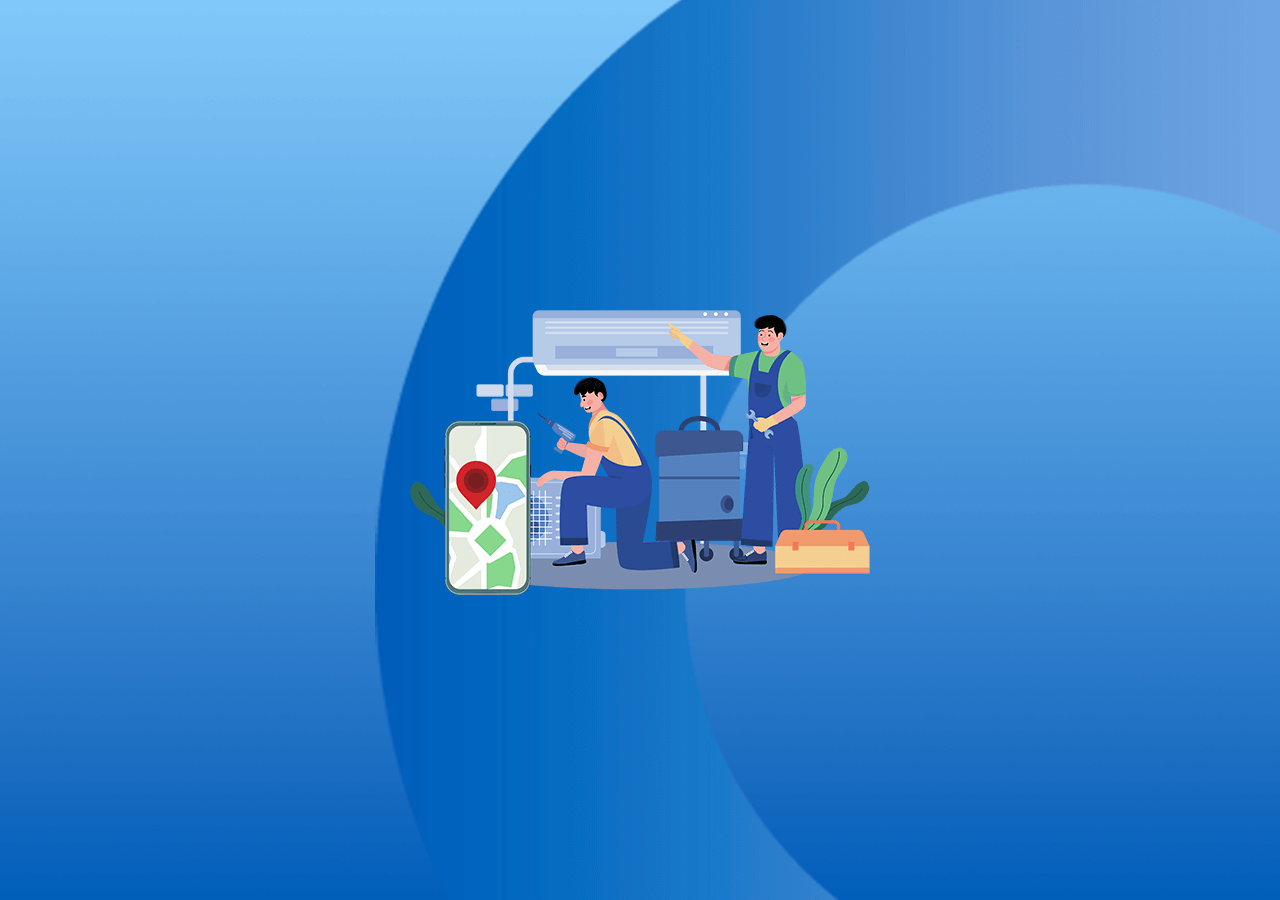
Why Getting Your Business Listed on Apple Maps Is More Important Than Ever
In today’s fast-paced digital world, getting your business discovered online isn’t just about having a website or posting on social media. More than ever, customers rely on maps and location-based services to find the products and services they need. While Google Maps often steals the spotlight, Apple Maps has quietly become a critical tool for businesses, especially in the home services industry. If your HVAC or plumbing business isn’t listed on Apple Maps, you could be missing out on countless opportunities to connect with local customers.
In this blog, we’ll explore why Apple Maps is increasingly important, the benefits of being listed, and how your business can get started—ensuring you don’t get left behind in the digital map race.
The Rise of Apple Maps: Why It Matters
Apple Maps has grown significantly since its launch in 2012. According to recent statistics, Apple Maps is used by over 100 million people in the United States alone, and it powers location services across Apple devices, including iPhones, iPads, Apple Watches, and even CarPlay systems.
For small businesses, this means potential customers are searching for your services directly from their devices, often while on the go. For example, a homeowner experiencing a sudden plumbing leak or a broken HVAC system may reach for their iPhone, open Apple Maps, and search for “emergency plumber near me.” If your business isn’t listed, you won’t appear in these critical search moments—losing both visibility and revenue.
Additionally, Apple Maps is the default navigation tool for iOS devices, which accounts for over 50% of smartphones in the U.S. This default status gives Apple Maps a built-in advantage over competitors for capturing local leads.
Benefits of Being Listed on Apple Maps
1. Increased Local Visibility
Being listed on Apple Maps ensures your business appears in local searches when potential customers are nearby. For home service businesses like HVAC, plumbing, or electrical services, local visibility can mean the difference between being the first call a homeowner makes and being overlooked entirely.
Studies show that 76% of people who search for something nearby on their smartphone visit a business within a day, and 28% of those searches result in a purchase. These numbers demonstrate just how valuable appearing on Apple Maps can be for generating immediate leads.
2. Enhanced Customer Trust
When customers see your business on Apple Maps, it adds credibility. Apple verifies business listings through Apple Business Connect, ensuring your information is accurate and trustworthy. Verified listings often include reviews, photos, and operational details, all of which help customers feel confident choosing your services over competitors.
For home service providers, trust is crucial. People need to feel comfortable inviting contractors into their homes or relying on their expertise for urgent repairs. A professional, up-to-date Apple Maps listing reinforces that trust.
3. Integration with iOS Ecosystem
Apple Maps integrates seamlessly with other Apple products and services. Your listing can show up in Siri voice searches, Spotlight searches, and even within Apple Wallet or Calendar appointments.
For instance, a customer might say, “Hey Siri, find a plumber near me,” and your business could be the first recommendation they receive. This type of exposure is powerful because it captures leads through natural, conversational searches.
4. Competitive Advantage
Many small business owners still focus heavily on Google Maps while neglecting Apple Maps. By ensuring your business is fully optimized for Apple’s platform, you gain a competitive edge. Simply being listed can set you apart in a crowded market, especially if your competitors haven’t yet taken this step.
How Apple Maps Impacts Home Service Businesses
For HVAC and plumbing contractors, location-based searches are critical. Many customers don’t have the luxury of planning ahead—they need services immediately. Consider these scenarios:
- A family’s air conditioning breaks down during a heatwave.
- A pipe bursts in a home, flooding the basement.
- A furnace stops working in the middle of winter.
In all these cases, potential customers will grab their phones and search for the nearest trusted service provider. If your business isn’t on Apple Maps, you miss these high-intent leads.
Additionally, Apple Maps provides directions, contact information, and estimated travel times. By having your business listed, you make it easier for customers to reach you quickly—a crucial factor in emergency service industries.
Steps to Get Your Business Listed on Apple Maps
Getting listed on Apple Maps is straightforward, but attention to detail is essential. Here’s how you can do it:
1. Use Apple Business Connect
Apple Business Connect is Apple’s official portal for managing business listings. Through this platform, you can claim or create your listing, ensuring your information is accurate and complete.
2. Verify Your Business
Apple will ask for verification to confirm your business location and ownership. This step helps maintain trust and prevents unauthorized listings. Verification may require a phone call or email confirmation.
3. Optimize Your Listing
A complete and detailed listing increases your chances of appearing in search results. Key elements include:
- Business name
- Physical address and service area
- Phone number and website
- Business hours
- Photos of your team, services, and vehicles
- Categories that describe your services accurately
4. Encourage Reviews
Apple Maps allows customers to leave reviews, similar to other platforms. Positive reviews improve your ranking and build trust with potential customers. Encourage satisfied clients to leave feedback, highlighting specific aspects of your service.
5. Keep Your Information Updated
Outdated information frustrates customers and can result in lost business. Regularly review your listing for changes in hours, contact details, or services offered. Apple Business Connect makes updates simple and efficient.
Tips for Optimizing Your Apple Maps Presence
Leverage Keywords in Your Business Description
Including relevant keywords, like “emergency plumber” or “HVAC repair,” helps Apple Maps understand what services you offer. This improves your chances of showing up in searches related to your industry.
Add High-Quality Photos
Photos of your team, equipment, or completed projects give potential customers a visual sense of your professionalism and reliability. Businesses with images tend to receive more clicks and engagement.
Monitor Customer Reviews
Responding to reviews—both positive and negative—demonstrates excellent customer service. Engaging with reviews can also influence your visibility in Apple Maps searches.
Track Performance Metrics
Apple Business Connect provides insights on how customers find and interact with your listing. Use this data to make informed decisions, such as adjusting your service area or updating business hours.
Common Mistakes to Avoid
Even small errors can limit the effectiveness of your Apple Maps listing. Avoid these pitfalls:
- Inconsistent Information: Ensure your name, address, and phone number match your website and other directories.
- Incomplete Listings: Missing photos or categories can reduce visibility.
- Ignoring Reviews: Neglecting customer feedback can harm your reputation.
- Outdated Hours: Incorrect hours frustrate potential customers, leading them to competitors.
By staying attentive and proactive, your listing can become a powerful lead-generation tool.
The Future of Apple Maps and Local Search
Apple continues to invest heavily in mapping technology, including augmented reality directions, indoor maps for businesses, and improved data accuracy. Voice search and AI integration will likely make Apple Maps an even more vital tool for local businesses in the coming years.
For home service providers, this trend emphasizes the need to establish a strong presence early. Businesses that prioritize Apple Maps now will reap the benefits of increased visibility, trust, and customer acquisition as the platform continues to evolve.
How Optic Marketing Group Can Help You Get Listed on Apple Maps
Apple Maps is no longer just a convenient tool for navigation—it’s a powerful platform that directly connects local customers with businesses. For HVAC, plumbing, and other home service providers, being listed on Apple Maps can drive new leads, increase trust, and give you a competitive edge in your local market.
At Optic Marketing Group, we understand the importance of local visibility and how crucial it is for your business to be found at the right time. Our team of experts specializes in helping small businesses like yours optimize their presence across all digital platforms, including Apple Maps. We’ll make sure your business is listed correctly, your information is up-to-date, and your online presence is positioned to attract more customers.
All we ask is you to trust us 1%…we will earn the other 99%! Contact us today to get started and ensure your business is not only visible but also thriving in the digital landscape. Don’t let potential customers pass you by—let’s put your business on the map, literally.

How HVAC Contractors Can Keep Their Phones Ringing as Shoulder Season Approaches
For HVAC contractors, shoulder season—the periods between peak heating and cooling months—can feel like a lull in business. Summer is fading, and winter is still a few months away, leaving many contractors wondering how to keep their schedules full and their phones ringing. But with the right strategies, shoulder season doesn’t have to mean slow season. In fact, this is the perfect time to engage customers, generate leads, and prepare your business for the busy months ahead.
Understanding how to attract and retain clients during these transitional periods can help contractors maintain steady revenue year-round. From marketing tactics to operational strategies, every step counts toward staying top-of-mind for potential customers.
Understanding Shoulder Season and Its Challenges
Shoulder season is often underestimated by contractors. Many assume that because it’s not peak heating or cooling season, business will naturally slow. However, statistics show that HVAC companies can lose up to 20-30% of potential revenue if they don’t implement strategic marketing and customer retention tactics during these periods.
The main challenges contractors face include:
- Reduced Emergency Calls: Fewer extreme weather days mean fewer urgent service calls.
- Lower Online Searches: Homeowners are less likely to search for HVAC services outside of summer and winter.
- Decreased Visibility: Competitors may reduce marketing spend, but this can be an opportunity for those willing to maintain a consistent presence.
Recognizing these challenges is the first step toward implementing effective strategies that keep business flowing.
Optimizing Marketing for Shoulder Season
Marketing plays a crucial role in keeping your business visible when demand is naturally lower. By taking a proactive approach, HVAC contractors can position themselves as reliable, year-round service providers.
1. Focus on SEO and Local Search Optimization
Most homeowners turn to Google when they need HVAC services. Optimizing your website and online presence for local search is essential. According to BrightLocal, 76% of consumers who search for local services visit a business within 24 hours. By ensuring your business ranks high in local search results, you increase the likelihood of getting those quick calls.
Key actions include:
- Updating Google Business Profile with current information and photos.
- Adding location-specific keywords to your website content.
- Encouraging satisfied clients to leave reviews to boost credibility.
2. Leverage Email Marketing
Email marketing allows you to maintain contact with past customers and promote shoulder season services. Data from Campaign Monitor shows that email marketing has an average ROI of 4,400%, making it one of the most cost-effective ways to drive repeat business.
Tips for email campaigns:
- Send reminders for HVAC maintenance and tune-ups.
- Offer limited-time promotions or discounts for shoulder season services.
- Include helpful tips for homeowners preparing their systems for the upcoming peak seasons.
3. Use Social Media Strategically
Social media isn’t just for engagement—it can be a lead-generation tool. Sharing educational content about seasonal HVAC maintenance or energy-saving tips keeps your audience engaged and positions your business as an expert in the field.
Effective tactics include:
- Posting short video tips on maintenance checks.
- Running geo-targeted ads promoting seasonal offers.
- Engaging with followers through comments and direct messages to answer service questions promptly.
Offering Shoulder Season-Specific Services
One of the best ways to maintain business is to tailor services specifically for the shoulder season. Customers may not need emergency services, but there are several maintenance and preparation services that are highly relevant.
1. Preventive Maintenance Packages
Offering discounted maintenance packages encourages customers to invest in their HVAC systems before peak season hits. According to ACCA (Air Conditioning Contractors of America), regular maintenance can extend the life of HVAC systems by up to 40% while improving efficiency.
Promoting maintenance services during shoulder season:
- Offer system inspections and tune-ups.
- Provide energy efficiency evaluations.
- Highlight the cost-saving benefits of preventive care.
2. Seasonal Upgrades and Replacements
Shoulder season is an ideal time to recommend system upgrades, such as programmable thermostats, smart HVAC systems, or energy-efficient replacements. Customers are more likely to consider upgrades when they’re not under the pressure of extreme weather.
3. Indoor Air Quality Services
Air quality concerns often increase during transitional seasons. Services such as duct cleaning, filter replacement, and humidifier installation can keep your schedule full while providing tangible benefits for homeowners.
Strengthening Customer Relationships
Maintaining strong relationships with existing customers is crucial for steady business. Happy customers are more likely to schedule repeat services and refer your business to friends and family.
1. Follow-Up Communication
After completing a service call, send follow-up emails or messages to ensure customers are satisfied. According to Salesforce, 80% of customers say the experience a company provides is as important as its products and services.
2. Loyalty Programs and Referral Incentives
Encourage repeat business and referrals by offering loyalty rewards. This can include discounts on future services, seasonal promotions, or referral bonuses. These programs increase engagement and keep your company top-of-mind.
3. Personalized Recommendations
Using data from past service visits, you can provide personalized maintenance or upgrade recommendations. Personalized communication increases trust and demonstrates expertise, which is vital during slower seasons.
Leveraging Technology for Efficient Operations
Technology can help contractors maximize efficiency and visibility during shoulder season. Implementing the right tools ensures that marketing efforts translate into actual calls and bookings.
1. CRM Systems
Customer Relationship Management (CRM) software helps track leads, appointments, and follow-ups. According to HubSpot, companies using a CRM see sales increase by up to 29%. For HVAC contractors, this means no lead gets overlooked during quieter months.
2. Online Booking and Scheduling
Offering online scheduling allows customers to book services at their convenience, improving conversion rates. A seamless booking experience can differentiate your business from competitors who rely solely on phone calls.
3. Marketing Automation
Automating marketing campaigns ensures consistent communication with potential and existing customers. Automated reminders, promotional emails, and social media posts keep your business visible without requiring constant manual effort.
Strategic Promotions to Boost Shoulder Season Calls
Promotions tailored to shoulder season can create urgency and drive leads. Consider these approaches:
1. Early-Bird Discounts
Encourage homeowners to schedule maintenance before the busy season begins. Offering limited-time discounts motivates customers to act sooner rather than later.
2. Bundled Services
Combine services such as system inspections with duct cleaning or filter replacement at a special price. Bundles provide value while increasing the average ticket size per customer.
3. Seasonal Campaigns
Use the shoulder season as a marketing theme—“Prepare Your Home for Fall” or “Get Ready for Winter” campaigns resonate with homeowners and highlight the importance of proactive HVAC care.
Tracking Results and Adjusting Strategies
Even the best marketing strategies require analysis to ensure they are effective. Tracking metrics like calls, website traffic, and conversion rates helps identify what’s working and where adjustments are needed.
Key performance indicators (KPIs) to monitor:
- Number of calls or inquiries generated per campaign.
- Website traffic and engagement metrics.
- ROI on email marketing, social media, and paid ads.
By analyzing data, contractors can optimize campaigns, allocate resources wisely, and continuously improve marketing efforts during shoulder season.
Staying Ahead in Shoulder Season With Optic Marketing Group
Shoulder season doesn’t have to mean slow business for HVAC contractors. By strategically marketing your services, offering relevant maintenance and upgrade options, strengthening customer relationships, leveraging technology, and running targeted promotions, you can keep your phones ringing year-round.
At Optic Marketing Group, we specialize in helping home services businesses, like HVAC contractors, generate leads and maintain consistent revenue even during slower seasons. Our team crafts customized marketing strategies, combining SEO, social media, PPC, and content marketing to ensure your business stays top-of-mind with potential customers.
If you’re ready to transform your shoulder season into a profitable period and keep your phones ringing, contact Optic Marketing Group today. Let us help you create a strategic marketing plan tailored to your business goals, so you can focus on providing top-notch HVAC services while we handle the leads.

Top 8 Lead Generation Services That Drive Real ROI for Home Service Businesses
In today’s competitive home services market, from HVAC to plumbing, generating quality leads isn’t just a nice-to-have—it’s essential. Whether you’re a small contractor looking to grow your business or an established company aiming to outpace the competition, understanding which lead generation services truly deliver a solid return on investment (ROI) can make all the difference.
The challenge is that not all lead generation strategies are created equal. Some drain your marketing budget without meaningful results, while others bring a steady stream of customers ready to book your services. In this blog, we’ll explore the top eight lead generation services that have proven to drive real ROI specifically for home service businesses. You’ll learn what they are, why they work, and how to implement them to grow your customer base efficiently and effectively.
Let’s dive in and unlock the potential of your business by mastering lead generation the right way.
Why Lead Generation Matters for Home Service Businesses
Before we jump into the specific services, it’s important to understand why lead generation is so critical for businesses in the home services sector. According to a recent report from the HomeAdvisor Industry Trends, 97% of consumers use the internet to find local services, and 64% make their decision based on online reviews and visible presence. This means if you’re not actively capturing leads online, you’re missing out on a huge chunk of potential customers.
Additionally, studies show that businesses that nurture leads effectively can increase sales by up to 50%, at a cost 33% lower than companies that do not. The takeaway here is clear: having a steady, reliable lead generation system not only brings more customers but does so more cost-effectively.
For home service businesses—where customer trust, timeliness, and quality are paramount—getting the right leads can mean higher conversion rates and more repeat business.
1. Search Engine Optimization (SEO)
Why SEO Works for Home Services
Search Engine Optimization (SEO) is the foundation of organic online visibility. When your potential customers search for “emergency plumber near me” or “HVAC repair in [city],” you want your business to be among the first results they see.
According to BrightEdge, organic search drives 53% of all website traffic. For home service businesses, appearing on the first page of Google can result in significantly more inbound inquiries.
How SEO Drives Leads
SEO involves optimizing your website’s content, structure, and local presence to rank higher in search results. For home service businesses, local SEO is particularly crucial because most customers search for services in their immediate area. Optimizing your Google My Business profile, acquiring local backlinks, and ensuring your contact information is consistent across platforms helps boost your local rankings.
ROI Impact
Businesses that invest in SEO often see a 14.6% conversion rate from organic traffic, compared to only 1.7% for traditional outbound methods like cold calls. SEO builds long-term value, creating an ongoing source of leads without continuous ad spend.
2. Pay-Per-Click Advertising (PPC)
Why PPC is Effective
PPC advertising, especially through platforms like Google Ads and Bing Ads, allows you to appear at the top of search results instantly for highly targeted keywords. For home service businesses, this means immediate visibility for urgent needs like “24/7 HVAC repair” or “emergency plumbing services.”
How PPC Generates Leads
You only pay when someone clicks your ad, making PPC a measurable and controllable way to attract high-intent customers. Detailed targeting options allow you to focus on specific geographic areas, demographics, and even time of day to maximize your budget.
ROI Evidence
According to WordStream, the average conversion rate for PPC across industries is 3.75%, but in the home services sector, it can reach as high as 9%. With proper campaign management and optimization, PPC can deliver a fast, scalable influx of leads that directly impact your bottom line.
3. Social Media Advertising
Social Media’s Growing Role in Lead Generation
Platforms like Facebook, Instagram, and Nextdoor are becoming vital channels for home service businesses to connect with local customers. Recent data shows that 54% of social browsers use social media to research products before purchase.
How Social Ads Work for Home Services
Through targeted social media ads, you can reach homeowners based on location, interests, and behaviors. These platforms also support visual content, allowing you to showcase before-and-after photos, customer testimonials, or promotions.
ROI Insights
A study by Hootsuite found that social media ads generate 7 times more conversions than traditional advertising. For home service businesses, this means a highly cost-effective way to build brand awareness and generate leads simultaneously.
4. Email Marketing
The Power of Email for Lead Nurturing
Once you capture a lead, email marketing becomes an essential tool for nurturing that relationship. Research from DMA reveals that email marketing yields an average ROI of $42 for every $1 spent.
How to Use Email Effectively
For home service businesses, personalized email campaigns can remind prospects about seasonal maintenance, offer discounts, or provide helpful tips that build trust. Automated drip campaigns guide leads through the buying process, increasing the chance of booking your services.
Real-World ROI
Companies that nurture leads with email see a 50% higher sales conversion rate. It’s a cost-effective method to keep your business top-of-mind and convert interest into action.
5. Content Marketing and Blogging
Why Content Matters
Publishing helpful, informative content establishes your business as an authority and builds trust with potential customers. According to Demand Metric, content marketing generates 3 times as many leads as traditional marketing and costs 62% less.
How Content Helps Lead Generation
Blogs answering common questions like “How often should I service my HVAC unit?” or “What to do in a plumbing emergency” attract organic traffic and provide material to share on social channels and emails.
Measurable Benefits
Content marketing supports SEO efforts, boosts engagement, and educates your audience—leading to higher conversion rates. Businesses that blog regularly receive 67% more leads than those who don’t.
6. Online Reviews and Reputation Management
Why Reviews Drive Leads
Today’s consumers heavily rely on online reviews to make service decisions. A BrightLocal study found that 87% of consumers read online reviews for local businesses, and positive reviews can lift conversion rates by up to 73%.
How to Leverage Reviews
Actively collecting and responding to reviews on Google, Yelp, and industry-specific platforms builds credibility and trust. Managing your online reputation ensures your business stands out positively in search and local listings.
ROI of Reputation Management
Home service businesses with high review ratings see significantly higher lead volumes and conversion rates, translating directly into revenue growth.
7. Media Planning and Buying (Offline + Online)
Integrated Advertising for Maximum Reach
While digital is king, traditional media like radio, local TV, and direct mail still hold value, especially when combined with online efforts. Media planning and buying ensures your ads appear in the right places at the right times for maximum impact.
How Media Buying Supports Lead Generation
By strategically targeting demographics and geographic areas, your message reaches qualified audiences. Coupled with tracking tools, you can measure the direct impact on calls, website visits, and booked appointments.
ROI Considerations
Cross-channel campaigns often boost overall lead volume by 20-30%, and businesses that integrate offline and online advertising tend to see higher brand recall and trust.
8. Website Design and Development
Why Your Website Is Your Lead Hub
Your website is often the first interaction potential customers have with your business. A well-designed, fast, and mobile-friendly site improves user experience and directly impacts lead conversion.
How Website Design Drives Leads
Clear calls-to-action, easy navigation, and fast load times reduce bounce rates and make it simple for visitors to contact you. Adding booking forms, live chat, and service pages tailored to your audience increases lead capture.
Impact on ROI
Companies that invest in professional web design see conversion rate increases up to 200%. An optimized site helps maximize every marketing dollar spent by turning visitors into customers.
Partner with Optic Marketing Group to Drive Real Lead Generation ROI
Generating leads that translate into real business growth requires a strategic approach combining multiple services tailored to your unique goals. At Optic Marketing Group, we understand the home services industry deeply. We don’t just offer cookie-cutter marketing solutions — we listen carefully to your vision and build customized cross-channel strategies that deliver measurable results.
Whether you need expert SEO, targeted PPC campaigns, engaging social media ads, or a conversion-optimized website, our team pours heart and soul into crafting plans that take your business from good to great. Our proven track record with HVAC, plumbing, and other home service businesses nationwide speaks for itself.
All we ask is you to trust us 1%…we will earn the other 99%! Let us help you generate qualified leads that bring real ROI and fuel your business growth.
Contact Optic Marketing Group today to start your journey toward smarter, more effective lead generation.
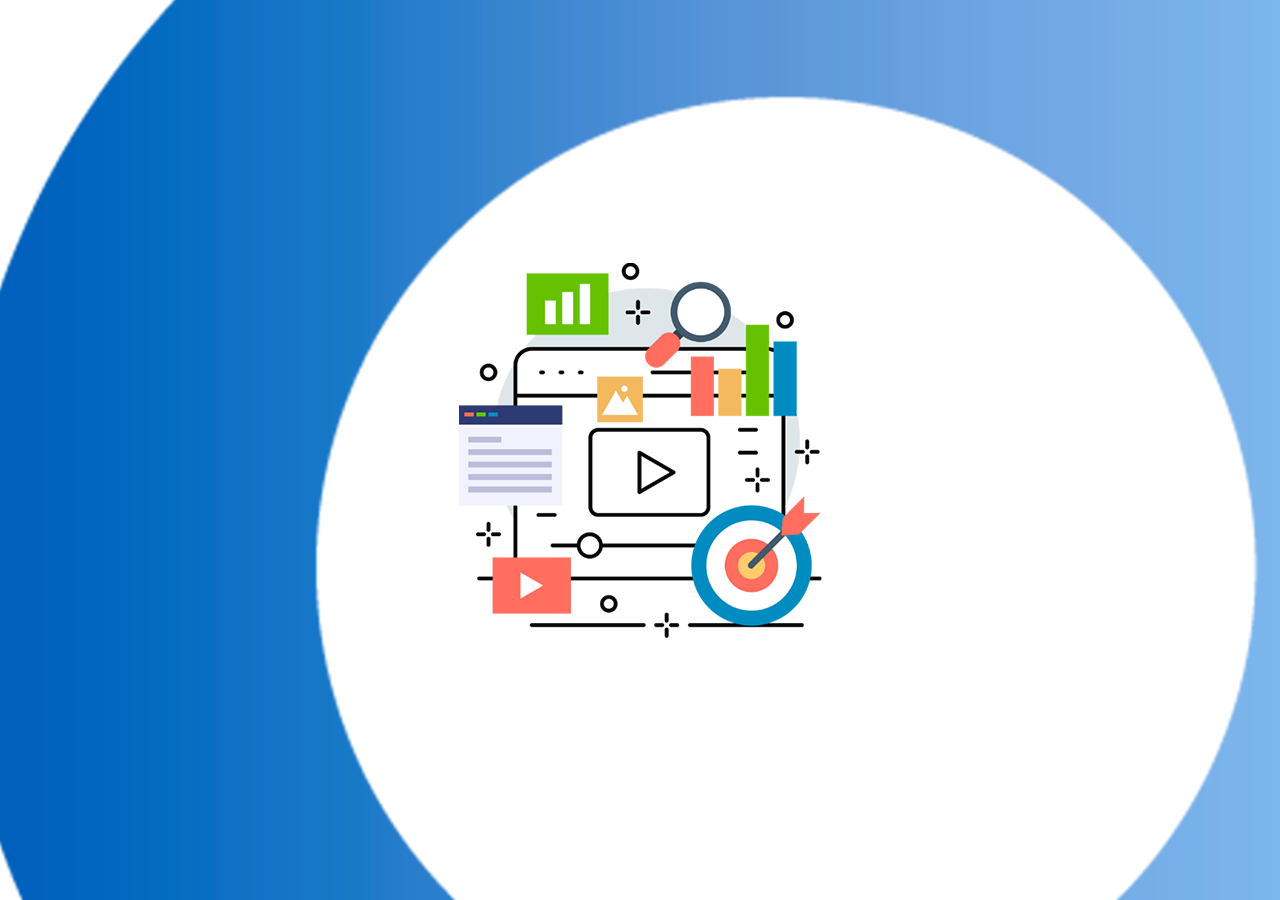
Leveraging Video Content for Local SEO: Standing Out in a Crowded Market
In today’s digital age, standing out as a small business owner—especially in competitive fields like HVAC, plumbing, and other home services—can feel like a daunting task. You’re not just competing with other local businesses but also facing the growing presence of national brands online. How do you break through the noise and get noticed by your ideal customers in your local area? The answer lies in one of the most powerful marketing tools available: video content.
Video has exploded in popularity over the past few years, becoming a cornerstone of digital marketing strategies worldwide. But beyond just being trendy, video is a proven way to boost your local SEO (Search Engine Optimization) efforts and connect with your audience on a deeper level. According to recent studies, websites with video content are 53 times more likely to rank on the first page of Google results. For local service businesses, this means a greater chance of showing up when potential customers search for services you offer in your area.
This blog will explore how leveraging video content can elevate your local SEO game, making your business more visible, trustworthy, and approachable to local customers. We’ll walk you through why video matters, what types of videos work best, and how to optimize your video content specifically for local search.
Understanding Local SEO and Its Importance for Home Service Businesses
Before diving into video, let’s briefly cover what local SEO actually is and why it matters so much for home service providers like HVAC and plumbing contractors.
Local SEO refers to the process of optimizing your online presence to attract more business from relevant local searches on search engines. For example, if someone in Tampa searches for “emergency plumber near me,” local SEO helps ensure your business appears in those search results—ideally right at the top.
According to Google, 46% of all searches have local intent, meaning nearly half of your potential customers are actively looking for businesses nearby. Furthermore, 78% of local mobile searches result in an offline purchase, highlighting the critical role local search plays in driving actual business.
For home service businesses, which typically serve customers within a specific geographic area, local SEO isn’t just optional—it’s essential. The better you optimize for local search, the more visible your business becomes to customers actively seeking your services.
Why Video Content is Essential for Local SEO
Video content has quickly become one of the most effective ways to boost your local SEO for several reasons:
1. Increases Engagement and Dwell Time
Search engines like Google favor content that keeps users engaged. Videos capture attention better than text or images alone, leading to longer website visits. In fact, studies show that the average internet user spends 88% more time on a website with video.
2. Improves Click-Through Rates (CTR)
Including videos in search results can increase CTR by 41%. When your video thumbnail appears alongside your local business listing or website, it draws the eye and invites clicks.
3. Provides Rich, Shareable Content
Videos are highly shareable across social media platforms and local online communities. This sharing not only increases your reach but also generates valuable backlinks, which boost SEO authority.
4. Enhances Local Relevance with Geo-Targeted Content
Videos that highlight your local community, service area, or even feature local landmarks help search engines associate your content with a specific location, improving your local search rankings.
Types of Video Content That Boost Local SEO for Home Service Providers
Not all videos are created equal when it comes to local SEO. Certain types of videos are particularly effective for home service businesses aiming to attract local customers:
1. Introduction Videos
Short, friendly videos introducing your company, your team, and your services build trust and familiarity. For example, a plumber might create a video showing their technicians at work, emphasizing professionalism and care.
2. Customer Testimonials
Videos featuring happy customers sharing their positive experiences are powerful social proof. Google reviews with video testimonials can boost credibility and help convince potential clients to choose your business.
3. How-To and Educational Videos
Providing useful tips and guidance on common issues—like how to maintain an HVAC system or troubleshoot a leaking faucet—positions you as an expert in your field. This type of content is often searched locally, increasing your visibility.
4. Behind-the-Scenes and Day-in-the-Life Videos
Showing the human side of your business, such as a day in the life of a technician, creates a personal connection and enhances brand authenticity.
5. Service Area Videos
Highlighting your local community or service areas in your videos sends strong local signals to search engines. For example, a plumbing company might showcase neighborhoods they serve, local events, or community projects.
Optimizing Your Video Content for Local SEO
Creating great video content is just the start. To truly leverage video for local SEO, you need to optimize your videos effectively. Here’s how:
1. Use Relevant Keywords
Just like with text-based content, incorporating local keywords into your video titles, descriptions, and tags is crucial. For example, use phrases like “HVAC repair in Tampa” or “emergency plumber The Woodlands.”
2. Add Captions and Transcripts
Search engines can’t “watch” videos, but they can read text. Including captions and full transcripts helps Google understand your video content, improving search visibility.
3. Host Videos on Your Website
While platforms like YouTube are great for discovery, hosting videos on your own website increases visitor engagement and improves your site’s SEO metrics. Embed videos on relevant service pages or blog posts.
4. Optimize Video Thumbnails
Create custom thumbnails that clearly show what the video is about and include your logo or local imagery. An eye-catching thumbnail can increase clicks and improve local brand recognition.
5. Create Local Landing Pages with Video
Develop dedicated landing pages for specific service areas or types of services that include video content. This approach helps target local search intent more precisely.
6. Use Schema Markup for Videos
Adding structured data (schema) to your videos helps search engines better understand and display your videos in rich snippets on search results pages.
How Video Content Impacts Google Business Profile and Other Local Listings
Google Business Profile (GBP) is a cornerstone of local SEO. Uploading video content directly to your GMB profile can have a significant impact:
- Businesses with videos on their GBP profiles receive 2x more requests for directions and 35% more clicks through to their websites.
- Videos provide a dynamic way to showcase your work quality, service process, and customer satisfaction, which encourages engagement.
- Google often features GBP videos in local “3-pack” search results, increasing your chances of appearing above competitors.
Additionally, posting videos on other local directories and social platforms like Facebook and Instagram further boosts your visibility and local SEO rankings.
Practical Tips to Get Started with Video Content for Your Local SEO
Getting started with video doesn’t require a huge budget or high-end production equipment. Here are some practical steps for home service businesses:
- Start Small: Use your smartphone to shoot simple introduction or testimonial videos. Authenticity matters more than perfection.
- Plan Your Content: Create a content calendar focusing on topics relevant to your audience and local area.
- Keep It Short and Sweet: Videos between 60 seconds to 3 minutes tend to perform best for local engagement.
- Call to Action: Always include a clear, friendly call to action—whether it’s to call your business, visit your website, or book a service.
- Promote Your Videos: Share on social media, embed on your website, and upload to your GBP profile.
- Track Performance: Use analytics tools to see which videos drive the most traffic and engagement, then refine your strategy accordingly.
Partner with Optic Marketing Group to Amplify Your Local SEO with Video
In a crowded market, especially within the home services industry, leveraging video content for local SEO is no longer optional—it’s a necessity. Video not only boosts your search engine rankings but also helps build trust, establish your brand, and connect directly with your local community.
At Optic Marketing Group, we understand the unique challenges home service businesses face. Based in Tampa, Florida, and The Woodlands, TX, we serve clients nationally with a full suite of marketing services, including expert video content strategy and local SEO. Our approach is straightforward—no smoke and mirrors. We listen carefully to your goals and vision, then craft tailored cross-channel marketing strategies that take your business from good to great.
If you’re ready to stand out in your local market and see real results, let’s talk. Contact Optic Marketing Group today, and let us help you leverage the power of video to drive more customers through your doors.
The Power of Multi-Platform Reviews: Don’t Rely Solely on Google
Imagine a homeowner in need of a reliable HVAC technician or a plumbing contractor to handle a leak that just won’t quit. What’s the first thing they do? Most likely, they grab their phone and search for a business near them. And yes—Google often leads the charge when it comes to customer discovery. But here's the question: What happens when your business only shows strong reviews on Google, and nothing elsewhere? Or worse, mixed reviews on other platforms that haven’t been addressed?
In today’s hyper-connected, information-rich world, customers rarely stop at one platform when vetting a service provider. While Google may be the largest search engine, it’s not the only voice in the room when it comes to customer perception. Review platforms like Yelp, Facebook, Angi, Nextdoor, and industry-specific directories like HomeAdvisor and Thumbtack play equally important roles in shaping your business’s online reputation.
Let’s break down why a multi-platform review strategy isn’t just “nice to have”—it’s a must for serious small business owners, especially in the home services industry.
Why Online Reviews Matter (A Lot)
Online reviews are no longer just a digital version of word-of-mouth—they are the word-of-mouth. According to BrightLocal’s 2024 Local Consumer Review Survey:
- 98% of consumers read online reviews for local businesses.
- 87% won’t consider a business with a rating below 3 stars.
- 73% of consumers say written reviews make them trust a local business more.
For small businesses like HVAC contractors, electricians, and plumbers, where trust and reliability are critical, having strong reviews isn’t just helpful—it’s essential.
The Google Trap: Why Sole Reliance Is Risky
Don’t get us wrong—Google is undeniably important. With over 90% of the global search engine market share, it’s often the first stop for customers. But here’s the catch: relying only on Google reviews is like advertising in just one magazine or putting all your marketing dollars into a single platform. It limits your visibility, credibility, and ultimately, your potential for growth.
Here’s why it’s risky:
1. Limited Reach
Not all consumers use Google as their first stop. For example:
- Facebook is a trusted platform for people asking for local recommendations.
- Yelp has a loyal user base that trusts its curated, moderated reviews.
- Nextdoor taps into hyper-local neighborhoods where residents seek out verified services.
If your business lacks positive reviews on these platforms, you could be missing out on a large chunk of your local audience.
2. Review Suppression & Filtering
Google occasionally filters reviews it deems suspicious—even if they’re genuine. Platforms like Yelp also filter reviews, but each does so differently. By diversifying your review sources, you hedge against losing credibility when one platform suddenly hides or removes important testimonials.
3. Risk of Negative Spotlight
If negative reviews show up on other platforms that you’re not actively monitoring, you might not even know your business is losing trust until it’s too late. Customers often research multiple platforms before making a decision. A glowing Google profile doesn’t help if your Facebook or Yelp pages are outdated or filled with unanswered complaints.
The Power of Multi-Platform Reviews
Diversifying your review strategy does more than protect your reputation—it amplifies it. Here’s how:
1. Builds Trust Across Multiple Audiences
Different platforms attract different users. Some trust Yelp’s moderation, others rely on Facebook recommendations, and some stick with Angi or HomeAdvisor for home service pros. When your reputation shines across all major platforms, it sends a powerful message: You’re consistently great, no matter where people find you.
2. Improves Local SEO and Discovery
Having reviews on multiple platforms helps your overall local search visibility. Google’s algorithm considers business citations and reviews across the web—not just on Google. A strong presence on Facebook, Yelp, Angi, and others boosts your domain authority, improves organic rankings, and drives more traffic to your site.
3. Increases Conversion Rates
Consumers who see consistently positive reviews on multiple platforms are more likely to convert. According to Podium, 93% of consumers say reviews impact their purchase decisions. When they see glowing feedback across several sites, they’re reassured and more likely to pick up the phone—or fill out your online form.
4. Supports Long-Term Brand Equity
Your online reputation isn’t just about short-term leads—it’s about building trust over time. A well-rounded review strategy shows that you care about customer experience everywhere, not just on Google. That kind of transparency and authenticity pays dividends in referrals, repeat customers, and long-term loyalty.
Key Platforms Home Service Businesses Shouldn’t Ignore
Let’s walk through the top platforms that matter for contractors and service providers:
Google Business Profile
- Still your home base.
- Make sure it's updated, with accurate info, photos, and business hours.
- Ask happy customers to leave reviews after service.
- Great for social engagement and local recommendations.
- Consumers trust Facebook pages with reviews and active responses.
- Be sure to monitor and respond to comments and reviews.
Yelp
- Highly influential, especially in urban and suburban areas.
- Yelp reviews often show up in Apple Maps and Siri searches.
- Yelp favors active profiles—respond to reviews and update photos often.
Nextdoor
- Hyper-local and trust-based.
- Great for contractors and small businesses in specific neighborhoods.
- Encourage word-of-mouth by participating in your local Nextdoor business page.
Angi (formerly Angie’s List)
- Specifically targets the home services industry.
- Many homeowners use it for finding verified, vetted professionals.
- Offers a paid business profile to boost visibility.
HomeAdvisor & Thumbtack
- Focused on project-based hiring.
- Often used by homeowners looking for competitive quotes.
- Reviews here show your professionalism and reliability to prospects comparing options.
How to Get Reviews on Multiple Platforms
Now that you know why multi-platform reviews matter, let’s talk strategy. Here’s how to do it without overwhelming your team or customers:
1. Make It Part of Your Process
After every service visit, make it standard practice to ask for a review. Use a template message like:
“We’re always looking to improve and would love your feedback. If you had a great experience, would you mind leaving us a review on [Google/Facebook/Yelp]? Here’s the link!”
Rotate platforms depending on where you need more traction.
2. Use Review Management Software
Tools like Podium, Birdeye, NiceJob, and Broadly make it easy to request reviews via text or email—and direct customers to the platform of your choice. Many can even help detect unhappy customers early and direct them to a private feedback channel.
3. Respond to Reviews—Everywhere
Reply to every review, whether positive or negative. It shows you care and that you’re active across the web. Don’t just thank customers—try to personalize your response and address any feedback.
4. Incentivize Your Team
Consider offering internal rewards to technicians or team members who collect the most positive reviews each month. It builds motivation and aligns your customer service with your marketing goals.
Don’t Fear Negative Reviews—Learn From Them
It’s natural to be nervous about reviews, especially on platforms you don’t control. But negative feedback isn’t the end of the world—it’s an opportunity.
When handled well, a thoughtful response to a critical review can boost your credibility. According to Harvard Business Review, customers are more likely to trust a company that acknowledges mistakes and responds constructively than one with a perfect (but suspicious) review history.
A multi-platform review presence allows you to show your professionalism and customer service skills in action.
Let Optic Marketing Group Help You Build a 5-Star Reputation—Everywhere
At Optic Marketing Group, we understand how crucial online reviews are in today’s digital-first world—especially for small business owners in the home services industry. Your reputation isn't confined to one platform, and your marketing strategy shouldn't be either.
We don’t just help you collect reviews—we help you strategically grow your brand’s presence across the platforms that matter most. From setting up your Google Business Profile to managing your reputation on Yelp, Facebook, and beyond, we’ve got you covered with a personalized, cross-channel strategy that reflects your vision and drives real results.
All we ask is you to trust us 1%…we will earn the other 99%.
Let’s take your business from good to great—everywhere your customers are searching. Contact us today to learn how we can elevate your digital presence and build a bulletproof reputation that stands out in every corner of the internet.