What Is a Website Domain? A Simple Guide for Home Service Contractors
Have you ever wondered why some websites are easy to remember while others feel like a jumble of letters and numbers? Or why your business website address can make a difference in whether potential customers call you or move on to your competitor? If you run a plumbing, HVAC, or other home service business, understanding what a website domain is and how it works can save you time, money, and frustration. In this guide, we’ll break down everything you need to know about website domains and how to choose the right one for your business.
What Is a Website Domain?
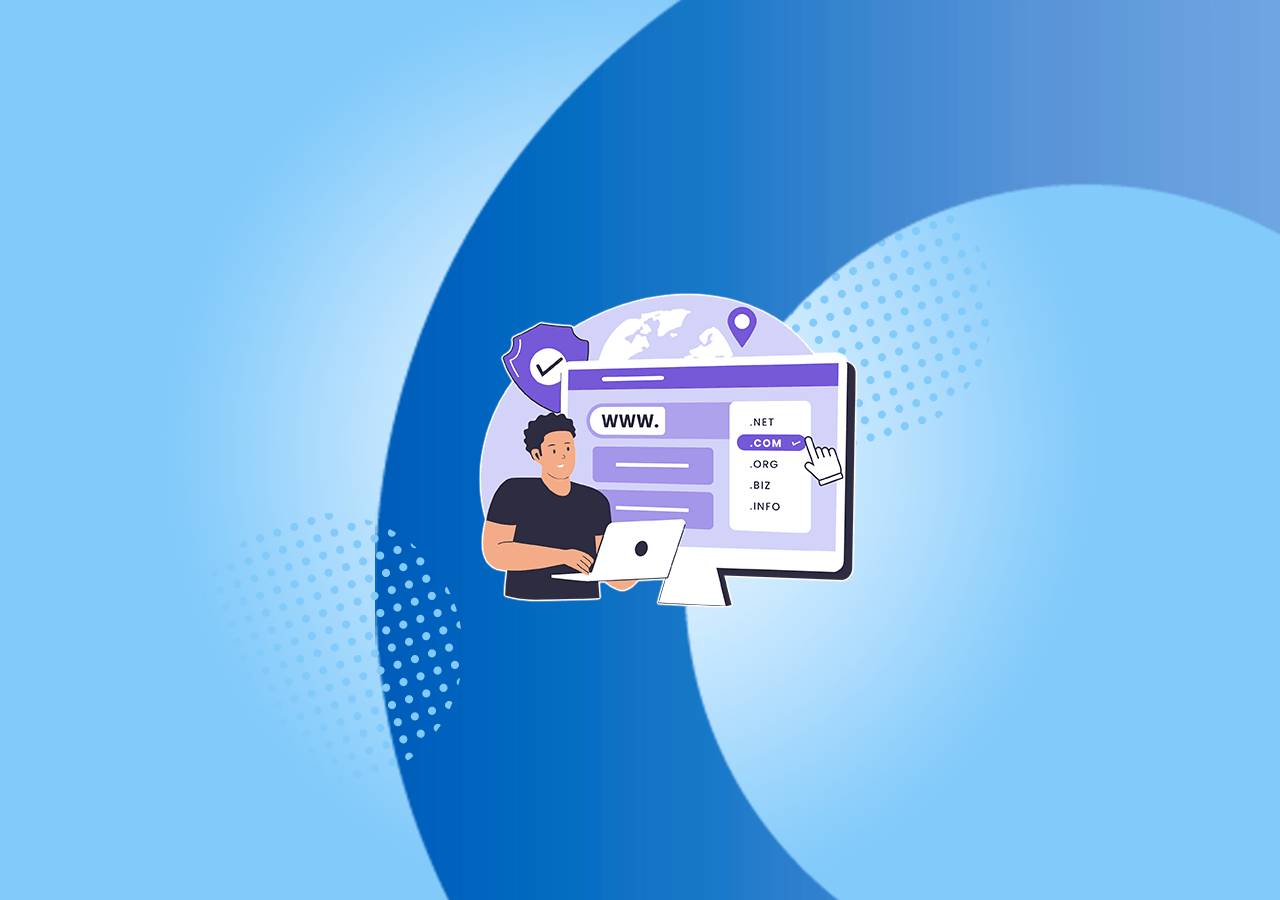
At its simplest, a website domain is the address people type into a browser to visit your website. Think of it like your business’s street address, but online. Without a domain, your website wouldn’t have a place to live on the internet, and customers wouldn’t be able to find you easily.
Domains are made up of two main parts: the name and the extension. For example, in www.YourBusinessName.com, “YourBusinessName” is the domain name, and “.com” is the domain extension.
The Importance of a Domain for Home Service Businesses
Your domain is often the first impression potential customers have of your business. A clear, professional domain:
- Builds credibility and trust
- Makes it easy for customers to find your business online
- Supports your branding and marketing efforts
- Helps with search engine optimization (SEO) so people in your area can find you
For home service contractors, having a strong, memorable domain is especially important. Customers often search for services like “emergency plumber near me” or “HVAC repair Tampa” and will choose the business that looks professional and trustworthy.
Types of Domain Extensions
Not all domains end in .com. There are many extensions available today, and knowing which one to choose can affect your online presence.
Common Domain Extensions
- .com – The most common and widely recognized extension. Ideal for almost any business.
- .net – Traditionally used by tech companies but can be an alternative if the .com is taken.
- .org – Typically for nonprofits but can work for community-focused services.
- .biz – A business-specific extension, but less commonly used than .com.
- .us, .co, .online – Regional or modern alternatives that can work if your preferred .com is unavailable.
For most home service businesses, .com remains the best choice because it’s familiar and trusted by customers.
How a Domain Works
Behind the scenes, a domain works with something called the Domain Name System (DNS). DNS translates the human-friendly domain name into an IP address that computers use to locate your website. Think of it like a phone book for the internet: it turns the website name into a route your customer’s browser can follow.
Even though the technical details can seem complicated, the main thing to know is that a properly set up domain ensures your website loads quickly and is accessible to customers whenever they need it.
Choosing the Right Domain for Your Business
Picking the right domain is one of the most important steps for establishing your online presence. Here’s what home service contractors should consider:
Keep It Short and Simple
Shorter domains are easier to remember and less prone to typos. Try to stick to one or two words related to your business, like NameHVAC.com or NameTampa.com.
Make It Relevant to Your Service
Your domain should reflect the services you offer. This helps customers know immediately what your business is about. For example, including “HVAC” or “Plumbing” in your domain can improve your visibility in local searches.
Avoid Numbers and Hyphens
Numbers and hyphens can confuse people and are often mistyped. Stick to letters only for maximum clarity.
Check Availability and Trademarks
Before purchasing a domain, check that it’s available and not trademarked by another company. This avoids legal issues and ensures your branding stays unique.
Think Long-Term
Choose a domain that can grow with your business. You may start as a small plumbing business but expand to HVAC or other home services. Pick something flexible enough to accommodate growth.
How to Register a Domain
Once you’ve chosen the perfect domain, you need to register it through a domain registrar. These are companies that manage domain ownership.
Steps to Register a Domain
- Search for your domain name – Use a registrar like GoDaddy, Namecheap, or Google Domains to see if your desired name is available.
- Choose a registration period – Most registrars allow you to register a domain for one to ten years. Longer registrations can protect your brand.
- Purchase the domain – Provide your business details and pay for the registration.
- Set up domain privacy (optional) – Protects your personal information from public WHOIS listings.
- Connect your domain to a website – Link it to your website hosting provider so your site is live online.
Domain vs. Hosting: What’s the Difference?
It’s common for new business owners to confuse a domain with web hosting. Here’s the difference:
- Domain – The address people type to find your website (like www.YourBusiness.com).
- Hosting – The service that stores your website files and makes them accessible online.
You need both to have a functional website. Think of your domain as the street address and hosting as the building where your business operates.
Why Domains Matter for SEO
Search engines like Google use your domain as part of their ranking algorithm. While the domain alone doesn’t guarantee top placement, a relevant, keyword-friendly domain can give your website a boost.
For example, if you own TampaHVACPros.com and regularly publish content about HVAC services in Tampa, Google recognizes the connection between your domain and local search queries. This improves your chances of appearing when someone searches for “HVAC repair Tampa.”
Tips for SEO-Friendly Domains
- Include a relevant keyword related to your services
- Keep the name simple and easy to spell
- Avoid exact-match spammy domains that look unnatural
Common Mistakes to Avoid
Even with the best intentions, some contractors make mistakes when choosing domains:
- Using overly long or complicated names
- Choosing extensions that customers don’t recognize
- Ignoring trademark issues
- Waiting too long to register and losing the name
Avoiding these pitfalls ensures your domain helps rather than hinders your business growth.
How to Protect Your Domain
Once you own a domain, protecting it is crucial. Here’s how:
- Renew on time – Set automatic renewal to avoid losing your domain.
- Use strong passwords – Protect your registrar account from unauthorized access.
- Enable domain privacy – Keeps your contact information private.
- Monitor for unauthorized transfers – Some hackers try to transfer domains without permission.
Redirection and Multiple Domains
Sometimes contractors choose multiple domains to capture local search traffic. For example, TampaPlumbing.com and TampaPlumbers.com. Using domain redirection, you can point all traffic to a single website. This avoids duplicate content issues and ensures all customers find your main website.
How a Professional Agency Can Help
While registering a domain might seem straightforward, there’s more to consider for long-term success. A professional marketing agency can:
- Suggest a domain that strengthens your brand
- Help secure multiple domains and set up proper redirects
- Integrate your domain with website hosting and email
- Optimize your site for local SEO to attract more clients
Working with experts saves you time and ensures you start with a strong online foundation.
Choosing a Domain Is Just the Beginning
Remember, your domain is the doorway to your online business. It’s the first step in building your digital presence, attracting new clients, and growing your home service business. Once you have the right domain, you can focus on building a website, generating leads, and establishing your reputation online.
Trust Optic Marketing Group For Domain Advice and Website Optimization
A website domain is more than just a web address; it’s a powerful tool that helps home service contractors connect with local customers, build credibility, and grow their business. From choosing the right name and extension to registering it safely and optimizing it for search engines, every step matters.
At Optic Marketing Group, we understand the unique challenges home service businesses face online. We take the time to listen to your goals and craft a strategy that works for your specific needs. From domain selection to full-service digital marketing—including web design, SEO, and PPC campaigns—we help you get found by the right customers and grow your business. Trust us to guide you through every step and make your online presence work as hard as you do.

How HVAC Contractors Can Use Category Entry Points (CEPs) to Boost SEO and Content Strategy
Have you ever wondered why some HVAC companies seem to always show up when a homeowner urgently needs service, while others are nowhere to be found? The difference often comes down to understanding the moments that trigger a homeowner to search for HVAC services. These moments are called Category Entry Points, or CEPs, and mastering them can transform your marketing, content strategy, and SEO results.
If you’ve been relying solely on generic ads like “Call today for fast, reliable service,” you might be missing out on a massive opportunity. CEPs help you connect with potential customers right at the moment they need you most. Let’s dive into what CEPs are, why they matter, and how HVAC contractors can leverage them to grow their business.
What Are Category Entry Points (CEPs)?
Category Entry Points are the real-life situations or triggers that lead someone to search for a product or service. For HVAC contractors, CEPs aren’t just “I need a new AC unit.” They are the specific moments homeowners experience that push them to act, like:
- Feeling their home heat up during a sudden heatwave
- Hearing unusual noises coming from their furnace
- Experiencing poor air quality that triggers allergies
- Wanting to save on energy bills with a new HVAC system
When your marketing and content align with these real-life moments, you position your business as the solution the customer thinks of first.
Why CEPs Matter for HVAC Marketing
Many HVAC businesses focus solely on promoting services rather than addressing customer needs at the right moment. By understanding CEPs, you can:
- Increase brand recall – When your brand appears during a moment of need, homeowners are more likely to remember and trust you.
- Target content effectively – CEPs allow you to create content that matches the exact search intent of your audience.
- Improve conversion rates – If you address the homeowner’s problem at the precise time they are looking for help, they are more likely to choose your service.
- Boost SEO performance – Search engines reward content that matches user intent. By targeting CEPs, you naturally improve your SEO rankings.
Studies show that consumers often perform multiple online searches before deciding on a local service provider. Being present at the right moment can make all the difference in capturing that lead.
Common CEPs for HVAC Contractors
Understanding the common triggers for HVAC-related searches is the first step in building an effective strategy. Here are some key examples:
1. Emergency Repairs
A furnace stops working in the middle of winter, or an AC breaks down during a heatwave. This is often the most urgent CEP. Content that addresses immediate solutions, such as “Emergency AC Repair in Tampa” or “Same-Day Furnace Service,” aligns perfectly with this moment.
2. Seasonal Maintenance
Homeowners start thinking about HVAC maintenance at the beginning of summer or winter. Articles or guides like “Top 5 HVAC Maintenance Tips Before Winter” help your brand appear in front of proactive homeowners.
3. Energy Savings
High energy bills often motivate homeowners to explore HVAC upgrades. Creating content about energy-efficient systems, tax credits, or utility savings can capture attention during this decision-making phase.
4. Air Quality Concerns
Concerns about allergies, pollutants, or indoor air quality create opportunities for content around “How to Improve Indoor Air Quality” or “Best Air Purifiers for HVAC Systems.”
5. System Upgrades or Replacement
Homeowners replacing outdated HVAC systems need guidance on brands, efficiency ratings, and costs. This CEP benefits from content like “How to Choose a New HVAC System for Your Home.”
How to Identify CEPs for Your Business
CEPs aren’t one-size-fits-all. Your customers may have unique triggers based on your service area or the type of HVAC solutions you offer. Here’s how to identify the most effective CEPs for your business:
- Customer Interviews – Ask your past clients what prompted them to call your business. Their answers reveal the key CEPs.
- Review Analysis – Reading reviews on Google and Yelp often shows common problems or needs that led to hiring an HVAC company.
- Keyword Research – Tools like Google Keyword Planner or Ahrefs help identify search terms people use when facing HVAC issues. Look for phrases that indicate urgency or intent, such as “AC not cooling” or “furnace repair fast.”
- Local Trends – Weather patterns, local regulations, and regional preferences can all shape CEPs. For example, areas with high pollen counts may see more searches related to indoor air quality.
By combining these insights, you can create a prioritized list of CEPs that matter most to your target audience.
Using CEPs to Inform Your SEO Strategy
Once you’ve identified your CEPs, the next step is applying them to your SEO and content strategy. Here’s how:
1. Map CEPs to Keywords
Each CEP corresponds to specific search queries. For example:
| CEP | Example Keywords |
| Emergency AC repair | “AC repair near me,” “same day AC repair,” “emergency HVAC service” |
| Seasonal maintenance | “AC maintenance checklist,” “furnace tune-up,” “HVAC seasonal service” |
| Energy efficiency | “Energy-efficient HVAC,” “best AC for energy savings,” “reduce HVAC bills” |
| Air quality concerns | “Improve indoor air quality,” “best HVAC air filters,” “allergy-friendly AC” |
Mapping CEPs to keywords ensures your content addresses real customer needs and improves your chances of ranking on search engines.
2. Create Targeted Content
Content should directly speak to the homeowner’s situation. Examples include:
- Blog posts: “5 Signs Your AC Needs Immediate Repair”
- Landing pages: “Emergency HVAC Services in Tampa”
- Guides and checklists: “How to Prepare Your Furnace for Winter”
This type of content is more likely to engage readers and encourage them to contact your business.
3. Optimize On-Page SEO
Optimize your on-page SEO to include your CEP keywords in strategic places like titles, headings, meta descriptions, and image alt tags. Make sure the content is easy to read, with clear solutions and calls to action.
4. Use Local SEO
Many HVAC searches are local. Ensure your Google Business Profile is optimized with services, service areas, and posts addressing CEPs. Encourage satisfied customers to leave reviews that reference specific services and situations.
How CEPs Enhance Your Content Marketing Strategy
CEPs do more than improve SEO—they guide the overall content strategy. Here’s how:
- Customer-centric approach – By focusing on real-life needs, your content is relevant and helpful rather than just promotional.
- Cross-channel consistency – CEPs can guide messaging across blogs, social media, email, and paid ads, ensuring your brand speaks to the same needs everywhere.
- Higher engagement – Content that addresses a homeowner’s exact situation is more likely to be read, shared, and referenced.
- Long-term authority – Consistently answering questions at key moments builds trust and positions your brand as a go-to expert.
For example, sharing a blog about emergency AC repair on social media during a heatwave is more likely to generate leads than a generic post about your services.
Practical Tips for HVAC Contractors to Leverage CEPs
Here are actionable strategies for implementing CEP-focused marketing:
- Audit Existing Content – Identify which blogs, pages, or ads already align with CEPs and where gaps exist.
- Create a CEP Calendar – Plan content around seasonal or predictable triggers, like summer AC breakdowns or winter furnace issues.
- Segment Your Audience – Tailor messages for different customer personas, such as first-time homeowners, property managers, or commercial clients.
- Combine SEO and Paid Ads – Use CEP keywords in Google Ads campaigns to capture both organic and paid traffic during high-intent moments.
- Measure and Adjust – Track engagement metrics, calls, and leads to see which CEP-focused content performs best and refine your strategy accordingly.
By consistently connecting with homeowners during these key moments, you increase visibility, leads, and conversions.
Common Mistakes to Avoid with CEP Marketing
Even experienced HVAC marketers can slip up. Here are common pitfalls and how to avoid them:
- Generic Messaging – Phrases like “Fast and Reliable Service” don’t connect with a specific need. Instead, focus on moments like “AC Stopped Working? Get Same-Day Service.”
- Ignoring Local Intent – Not emphasizing your service area can cost you leads from nearby customers.
- Overlooking Long-Tail Keywords – Long-tail keywords reflect actual homeowner problems. Don’t just target “HVAC repair.” Use “Furnace not heating Tampa” to capture high-intent searches.
- Neglecting Content Variety – CEPs can inspire blogs, landing pages, videos, and infographics. Don’t rely on one content type alone.
Avoiding these mistakes ensures your CEP strategy is effective and drives tangible results.
Examples of Effective CEP-Driven Content for HVAC Contractors
Here are a few practical examples:
- Blog Post: “Why Your AC Makes Strange Noises and How to Fix It” – Targets homeowners noticing unusual sounds.
- Landing Page: “Emergency HVAC Services Available 24/7 in Tampa” – Directly addresses urgent needs.
- Guide: “How to Save on Heating Bills This Winter” – Captures homeowners motivated by energy savings.
- Social Media Post: “Spring Allergies? Improve Your Indoor Air Quality with These Tips” – Aligns with air quality concerns.
These examples show how CEPs translate into content that resonates with the homeowner and improves SEO performance.
Measuring Success of Your CEP Strategy
Tracking the effectiveness of a CEP strategy is crucial. Here’s what to measure:
- Organic Traffic – Are you ranking for CEP-related keywords?
- Engagement Metrics – Are visitors reading, sharing, and clicking on calls to action?
- Leads and Conversions – Are CEP-targeted pages generating calls, emails, or appointment requests?
- Local SEO Metrics – Are you appearing in Google Maps searches for your service area?
Regularly reviewing these metrics helps you refine your CEP strategy for maximum impact.
Partnering With Optic Marketing Group to Make CEPs Work for You
Category Entry Points aren’t just a marketing buzzword—they’re a powerful way for HVAC contractors to connect with homeowners at the exact moment they need help. By understanding CEPs, mapping them to keywords, creating targeted content, and optimizing your SEO strategy, you position your business as the go-to solution for local customers.
At Optic Marketing Group, we help HVAC contractors identify the CEPs that matter most and translate them into a content and SEO strategy that drives leads and revenue. With our full-service marketing approach, including web design, SEO, PPC, social media, and media planning, we craft strategies tailored to your unique goals and market. All we ask is that you trust us 1%—we will earn the other 99% and help your business grow from good to great.
If you’re ready to make your marketing smarter, more targeted, and more effective, our team is here to guide you every step of the way.

Beyond Awareness: How CTV and OTT Drive Real Consideration
Connected TV (CTV) and OTT advertising are often positioned as awareness tools. Big screen. Premium video. Broad reach. Strong storytelling.
And that’s true.
But stopping the conversation there undersells what these channels are capable of doing.
When used strategically, CTV and OTT aren’t just awareness drivers. They are powerful consideration tools—especially in industries like home services, healthcare, automotive, and finance where targeting matters.
Let’s unpack that.
Awareness Is the Starting Point
CTV and OTT naturally live at the top of the funnel because they deliver:
- Sight + sound impact
- Lean-back viewing environments
- Non-skippable or high-completion ad formats
- Premium, brand-safe placements
You’re reaching audiences on the largest screen in the home. That creates authority. It creates credibility. It creates familiarity.
But here’s where modern CTV evolves beyond traditional broadcast TV.
Targeting That Moves It Into Consideration
Unlike traditional TV, CTV and OTT allow advertisers to layer audience intelligence on top of reach.
That means you’re not just broadcasting broadly—you’re qualifying who sees your message.
For example, campaigns can target:
- Homeowners vs renters
- Specific income ranges
- Credit score segments
- Age of home
- Recent movers
- Geographic micro-areas
- Behavioral segments like “HVAC intenders”
Now you’re not just building awareness with everyone.
You’re building awareness with people who are far more likely to become customers.
That’s where CTV shifts into consideration territory.
What “Consideration” Actually Means
Consideration is the stage where a consumer:
- Recognizes a need
- Begins evaluating options
- Forms early brand preferences
- Narrows their shortlist
In categories like HVAC, homeowners don’t shop every day. They may not be actively searching yet—but they are moving closer to a need.
Maybe their system is aging.
Maybe they’ve experienced high energy bills.
Maybe their home is 15+ years old.
Maybe they’ve browsed HVAC-related content online.
With CTV and OTT data layers, you can prioritize messaging to these likely buyers before they hit Google.
That’s not pure awareness anymore. That’s strategic positioning.
Example: HVAC Campaign in Consideration Mode
Let’s say you’re targeting:
- Homeowners
- Homes older than 12 years
- Credit-qualified households
- Within a defined service radius
- Layered with HVAC intender signals
Now your message isn’t just a brand introduction.
It can shift to:
- Financing options
- Seasonal maintenance promotions
- Energy savings education
- System upgrade messaging
- Warranty comparisons
- Trust signals (years in business, certifications, reviews)
You’re helping shape preference before the emergency happens.
When the AC finally fails, your brand is not just familiar—it’s already positioned as the solution.
CTV and OTT Work Best When Supported by Other Consideration Channels
One of the biggest misconceptions in advertising is that funnel stages are isolated.
In reality, consumers are exposed to multiple touchpoints before they ever make a decision.
That’s why CTV and OTT are even more effective when paired with other mid-funnel (consideration) channels that reinforce trust, credibility, and repeated exposure.
At Optic Marketing Group, we often support CTV/OTT campaigns with channels such as:
Streaming Audio
Streaming audio works similarly to radio but allows for modern audience targeting. It reinforces messaging through repetition while reaching listeners during daily routines—driving, working, exercising, and multitasking.
Digital Out of Home (DOOH)
DOOH placements provide high-frequency visibility in real-world environments such as malls, gas stations, gyms, airports, and high-traffic commuter areas. It’s an ideal reinforcement channel when paired with video.
Retargeting
Once someone visits your website, sees your ad, or engages with your brand, retargeting keeps you visible while they evaluate options. This helps move prospects from curiosity to action.
Paid Social (Mid-Funnel Targeting)
Paid social is often thought of as awareness or conversion, but it becomes a powerful consideration tool when used to promote testimonials, video views, educational content, and trust-building messaging.
YouTube and Online Video
YouTube placements can support consideration by reaching audiences in a video-first environment, especially when layered with in-market or intent-based targeting.
The key is repetition across environments: TV screen, mobile device, streaming platforms, and real-world visibility.
That is what drives true consideration.
The Competitive Advantage
In crowded industries like HVAC, many businesses rely heavily on bottom-funnel tactics.
That means they’re fighting over the small percentage of homeowners who need service today.
But companies using CTV and OTT strategically are influencing homeowners months before that moment.
They are shaping:
- Familiarity
- Rrust
- Perceived authority
- Brand preference
And when the buying moment arrives, the decision often feels easier.
Because it doesn’t feel like a cold choice.
It feels familiar.
The Bottom Line
CTV and OTT are not just modern replacements for traditional TV.
They are evolution.
They deliver the storytelling and authority of television while offering the data sophistication needed to influence the right households at the right time.
When layered with intelligent targeting—homeowners, credit qualifiers, property age, behavioral intent signals—CTV moves beyond awareness and becomes a powerful driver of consideration.
And in high-ticket, high-trust industries, that consideration stage is where market share is won.
If you’re only using CTV to introduce your brand, you’re leaving an opportunity on the table.
Used correctly, it doesn’t just create awareness.
It builds preference.
Maximize CTV and OTT Performance With Optic Marketing Group
CTV and OTT advertising are no longer just “nice-to-have” awareness tools—they’ve become a powerful way for HVAC businesses to build trust, stay top-of-mind, and influence homeowner decisions long before they ever search online. When paired with smart targeting and supported by other mid-funnel channels like streaming audio, and retargeting, CTV and OTT can help drive real consideration and strengthen the performance of your entire marketing strategy.
At Optic Marketing Group, we specialize in helping home service businesses build full-funnel campaigns that don’t just generate leads today, but create long-term growth and brand recognition in competitive markets. From CTV/OTT campaign strategy and audience targeting to omni-channel reinforcement and performance reporting, we help HVAC companies turn visibility into credibility—and credibility into customers.
AEO, GEO & SEO: The Best Strategies For Ranking in LLMs and AI Search
Have you ever searched for a local HVAC company and noticed that the answer shows up before you even click a website? Or asked an AI tool for the “best plumber near me” and received a short, confident recommendation instead of a long list of links? If you are a home services business owner, this shift can feel confusing and even a little intimidating. The good news is that it is not replacing SEO. It is expanding it.
As search engines and AI tools evolve, small businesses need to think beyond traditional rankings. Today, visibility depends on how well your brand shows up in search engines, AI-powered results, and large language models, also known as LLMs. That is where SEO, AEO, and GEO come together.
This guide breaks down what each strategy means, why it matters for home services companies like HVAC and plumbing contractors, and how to use them together to stay visible and competitive in 2026 and beyond.
Why Search Is Changing for Home Services Businesses
Search behavior has changed dramatically over the past few years. Customers are no longer just typing keywords into Google and clicking the first blue link. They are asking full questions, using voice search, and relying on AI tools for fast, direct answers.
According to Google, more than 15 percent of searches every day are brand new and conversational in nature. Meanwhile, Gartner predicts that by 2026, traditional search engine volume could drop by 25 percent as users shift toward AI-powered search experiences.
For home services businesses, this matters because your customers want quick, trustworthy answers. They want to know who can fix their AC today, whether a repair is worth it, and which local company they can trust. If your digital presence is not structured for these new search formats, you risk being invisible when it matters most.
Understanding SEO, AEO, and GEO at a High Level
Before diving into tactics, it helps to understand how these three strategies differ and how they work together.
SEO, or Search Engine Optimization, focuses on helping your website rank in traditional search engine results. AEO, or Answer Engine Optimization, helps your content appear as direct answers in AI and voice search. GEO, or Generative Engine Optimization, focuses on how AI models understand and reference your brand when generating responses.
Think of it like this. SEO gets your website found. AEO gets your answers featured. GEO gets your brand mentioned and trusted by AI systems.
What Is SEO and Why It Still Matters in 2026
SEO is not going away. It is evolving. Search engines still rely on well-optimized websites to understand what your business does, where you operate, and who you serve.
For HVAC and plumbing contractors, SEO remains the foundation of online visibility. Without it, AEO and GEO efforts will struggle.
Core SEO Elements Home Services Companies Need
Strong SEO starts with the basics done well. That includes:
- Optimized service pages for each offering, like AC repair, furnace installation, or emergency plumbing.
- Clear location signals, including city pages and localized content.
- Fast, mobile-friendly website design.
- High-quality backlinks from reputable sources.
- Consistent business information across directories.
According to BrightEdge, over 68 percent of online experiences still begin with a search engine. That means SEO is still the gateway to being discovered, even as AI plays a larger role.
Local SEO Is Especially Critical
For home services companies, local SEO is non-negotiable. Customers search with local intent, and search engines prioritize proximity and relevance.
Key local SEO tactics include:
- Optimizing your Google Business Profile with accurate details and regular updates.
- Encouraging and responding to customer reviews.
- Creating localized content that speaks directly to your service areas.
- These signals help search engines and AI tools confirm that your business is legitimate, active, and trustworthy.
What Is AEO and How It Impacts Home Services Searches
AEO focuses on optimizing content so it can be pulled directly into featured snippets, voice search results, and AI-generated answers.
When someone asks, “How much does it cost to replace an AC unit?” or “How often should I service my HVAC system?” AEO determines whose answer shows up.
Why AEO Matters for HVAC and Plumbing Contractors
Home services customers often search with questions, especially during emergencies or decision-making moments. AEO helps your business appear as the expert that provides clear, helpful answers.
According to Backlinko, featured snippets capture roughly 35 percent of all clicks for certain queries. That visibility builds trust even before a customer visits your website.
How to Optimize for AEO
AEO is about clarity and structure. Practical steps include:
- Writing content that directly answers common customer questions.
- Using clear headings and subheadings.
- Including short, concise answers followed by deeper explanations.
- Adding FAQ sections to service and blog pages.
For example, a blog post about AC maintenance should clearly answer questions like “How often should HVAC systems be serviced?” in simple language before expanding on the details.
What Is GEO and Why It Is the New Frontier
GEO, or Generative Engine Optimization, is newer but increasingly important. It focuses on how AI models like ChatGPT, Google’s AI Overviews, and other LLMs understand, trust, and reference your brand.
Unlike SEO, GEO is not about rankings. It is about being included in AI-generated responses.
How AI Decides Which Brands to Mention
AI models rely on patterns, authority, and consistency across the web. They analyze:
- Brand mentions across reputable websites
- Consistent messaging about services and expertise
- Reviews, testimonials, and third-party validation
- Structured data and clear brand information
If your HVAC or plumbing business is frequently mentioned as a trusted provider in your region, AI tools are more likely to reference you when answering user questions.
Why GEO Matters for Small Businesses
Large brands already dominate many AI conversations. GEO gives small and mid-sized home services companies a way to compete by building authority and trust signals over time.
According to a study from Search Engine Land, more than 50 percent of Google searches now end without a click. AI answers often satisfy the query immediately. If your brand is part of that answer, you still win visibility and credibility.
How SEO, AEO, and GEO Work Together
These strategies are not separate silos. They are interconnected.
SEO builds the foundation. AEO structures your content for answers. GEO amplifies your brand presence across AI ecosystems.
When done together, they reinforce each other. A well-optimized website with helpful content becomes a trusted source. That trust carries over into AI-generated responses and voice search results.
Practical Strategies for Home Services Businesses
Small business owners often ask where to start. The key is focusing on actions that deliver value without overwhelming your team.
Create Content Based on Real Customer Questions
Your customers are already telling you what they want to know. Use questions you hear on service calls and in emails to guide content creation.
Examples include:
- How long does an HVAC installation take
- Signs your water heater is failing
- When to repair versus replace an AC unit
Answer these clearly and honestly. This supports SEO through keyword relevance and AEO through direct answers.
Build Location-Based Authority
Local relevance helps both SEO and GEO. Create content that speaks to your service areas and regional needs.
This can include:
- Blog posts about climate-related HVAC concerns in your region
- Service pages tailored to specific cities
- Community involvement mentions and partnerships
Consistent local signals help AI models understand where and how you operate.
Focus on Reviews and Reputation
Online reviews influence both human customers and AI systems. According to Podium, 93 percent of consumers say online reviews impact their purchasing decisions.
Encourage happy customers to leave reviews and respond professionally to all feedback. This builds trust signals that support SEO, AEO, and GEO.
Use Structured Data Where Possible
Structured data helps search engines and AI understand your content more clearly. This includes schema markup for:
- Services
- FAQs
- Reviews
- Business information
While it sounds technical, it significantly improves how your content is interpreted and displayed.
Common Mistakes to Avoid
Many businesses try to chase trends without a strategy. Some common pitfalls include:
- Ignoring traditional SEO while focusing only on AI
- Creating content for algorithms instead of real people
- Using overly complex language that confuses customers
- Inconsistent branding and messaging across platforms
The goal is balance. Focus on clarity, consistency, and value.
Measuring Success in an AI-Driven Search World
Success is no longer just about keyword rankings. Metrics to watch include:
- Organic traffic and engagement
- Featured snippet visibility
- Brand mentions across the web
- Lead quality and conversion rates
These indicators show whether your content is reaching and resonating with the right audience.
Why Strategy Matters More Than Ever
AI search is not a shortcut. It rewards businesses that invest in clear messaging, helpful content, and consistent branding.
Home services companies that treat digital marketing as a long-term investment will stand out. Those who ignore these changes risk falling behind competitors who adapt early.
How Optic Marketing Group Helps Businesses Stay Ahead
At Optic Marketing Group, we believe there are no smoke and mirrors in effective marketing. We listen first, then build strategies that align with your goals and vision.
Our cross-channel approach combines SEO, AEO, and GEO into one cohesive plan. We help home services businesses improve visibility, build trust, and connect with customers at every stage of the search journey.
From website design and SEO to paid media and content strategy, we focus on what actually moves your business forward.
Let Optic Marketing Group Prepare Your Business for the Future of Search
Search is changing, but opportunity is growing. SEO, AEO, and GEO are not buzzwords. They are practical strategies that help your business stay visible, trusted, and competitive in an AI-driven world.
For HVAC and plumbing contractors, the path forward is clear. Focus on helpful content, strong local signals, and consistent brand messaging. When these elements work together, your business becomes easier to find and easier to trust.
If you want guidance from a team that truly listens and builds strategies around your goals, Optic Marketing Group is here to help. We ask for just one percent of your trust, and we will earn the other ninety-nine by helping your business grow with confidence in the evolving world of search.

The Top Category Entry Points for HVAC (And How to Build Ads Around Them)
Most HVAC ads sound the same:
“Call today for fast, reliable service.”
That’s fine.
But it’s common.
The strongest HVAC marketing doesn’t just promote services. It connects directly to the moment a homeowner realizes they need help.
In marketing science, those trigger moments are called Category Entry Points (CEPs) — a concept developed by the Ehrenberg-Bass Institute for Marketing Science. CEPs refer to the real-world situations and cues that cause a buyer to enter the market.
If you want your brand to be remembered when demand hits, your advertising needs to align with those moments.
Let’s break down the most important HVAC category entry points — and how to build messaging around them.
1. “My AC Stopped Working”
This is the most obvious CEP.
It’s urgent. Emotional. Uncomfortable.
When an AC fails during a heatwave, homeowners don’t want options. They want relief.
Messaging Strategy:
- Emphasize speed and availability
- Highlight 24/7 emergency service
- Reinforce response time
- Reduce perceived risk
Example:
“When your AC quits on the hottest day of the year, we show up fast.”
The goal is to connect directly to the stressful moment.
2. “It’s the First Hot (or Cold) Week of the Season”
Seasonal shifts trigger awareness before systems fail.
When the first heatwave hits, homeowners start wondering:
“Is my system going to make it through this summer?”
This is a preventative CEP — and a powerful one.
Messaging Strategy:
- Promote inspections and tune-ups
- Emphasize preparation
- Frame it as peace of mind
Example:
“Before the heat hits full force, make sure your system is ready.”
This builds demand before the emergency.
3. “My System Is 12–15+ Years Old”
Age creates a new internal trigger:
“Is it time to replace this?”
This is a high-value opportunity.
Messaging Strategy:
- Talk about energy efficiency
- Highlight long-term savings
- Promote financing options
- Emphasize reliability
Example:
“If your system is over 12 years old, it may be costing you more than you think.”
Replacement-focused awareness increases average ticket size over time.
4. “My Energy Bill Is Too High”
Rising utility bills create subtle but powerful demand.
Homeowners may not know the cause — but they know something isn’t right.
Messaging Strategy:
- Connect comfort with efficiency
- Promote high-efficiency systems
- Offer energy assessments
Example:
“High energy bills? Your HVAC system could be the reason.”
This reframes HVAC from reactive repair to proactive savings.
5. “We Just Bought a House”
Moving triggers dozens of service decisions.
New homeowners are one of the strongest opportunity segments in home services.
Messaging Strategy:
- Offer new homeowner inspections
- Promote maintenance plans
- Position your company as the local expert
Example:
“New to the neighborhood? Start with a full HVAC system check.”
This builds loyalty early.
6. “We Need Financing”
For many households, the trigger isn’t the breakdown — it’s affordability.
Replacement decisions often hinge on payment options.
Messaging Strategy:
- Promote flexible payment plans
- Reduce financial anxiety
- Highlight approval simplicity
Example:
“Comfort now. Pay over time.”
Lowering the barrier to action expands your buyer pool.
7. “I Need Someone I Can Trust”
This is the invisible CEP.
When homeowners search online, they aren’t just comparing price. They’re asking:
“Can I trust this company?”
Trust reduces hesitation.
Messaging Strategy:
- Promote years in business
- Highlight review volume and ratings
- Feature community involvement
- Reinforce local ownership
Example:
“Serving your community for over 20 years.”
Trust is a category entry point because it removes friction at the moment of decision.
Why Most HVAC Ads Miss the Mark
Many HVAC campaigns rely on generic messaging:
“Call now.”
“Best service in town.”
“Free estimates.”
These messages aren’t wrong — they’re just not anchored to a trigger.
They float.
The strongest advertising links your brand to a specific buying situation. That’s how you build what marketing science calls mental availability — the likelihood your brand comes to mind in buying situations (Sharp, 2010).
How to Align Media With CEPs
Different media channels reinforce different entry points:
- CTV / OTT: Strong for emotional, seasonal, and replacement messaging
- Broadcast radio: Effective for urgent breakdown and weather-driven triggers
- Streaming audio: Ideal for repetition and reinforcement
- Outdoor: Powerful for trust and long-term familiarity
When awareness campaigns consistently reference real-life situations, homeowners subconsciously connect your brand to those moments.
Then when the CEP occurs, your name feels natural.
The Strategic Advantage
Digital channels capture homeowners after a CEP happens.
Mass media builds the connection before it happens.
Research from the Ehrenberg-Bass Institute suggests that at any given time, the majority of potential buyers are not actively in-market (Dawes, 2021). That means most of your future customers are simply living their lives — until a trigger occurs.
In competitive HVAC markets, being remembered first often matters more than being the cheapest.
The Bottom Line
Category Entry Points are the real reasons people buy.
If your advertising doesn’t connect to those moments, it becomes background noise.
When you align messaging with real homeowner triggers, your brand becomes mentally available at the exact moment demand is created.
That’s how brand awareness drives measurable impact.
Build CEP-Driven Campaigns With Optic Marketing Group
At Optic Marketing Group, we design awareness campaigns built around real homeowner triggers — not generic slogans. From CTV and broadcast radio to streaming audio and integrated digital strategies, we help home service businesses connect their brand to the moments that drive demand.
If you’re ready to build advertising that homeowners remember when it matters most, let’s talk. Trust us 1%. We’ll earn the other 99%.
Why Building Your Online Brand Presence is Crucial For Home Service Companies
Have you ever stopped to think about what a potential customer sees when they search your company online for the first time? For many home service businesses, that first impression is happening long before a phone call is made or a truck pulls into a driveway. In today’s digital-first world, your online brand presence often decides whether a homeowner trusts you enough to reach out or keeps scrolling to the next option.
For HVAC, plumbing, electrical, and other home service contractors, building a strong online brand is no longer a “nice to have.” It is a must-have. Homeowners want reassurance, credibility, and clarity before they invite someone into their home. Your online presence is where that trust begins.
Below, we break down why online brand presence matters so much for home service companies and how you can build one that drives real growth for your business.
What Online Brand Presence Really Means for Home Service Businesses
When people hear “brand,” they often think of logos or colors. While those matter, your online brand presence goes much deeper than visuals alone.
Your brand presence is how your company shows up across digital channels, including your website, search results, social media platforms, online reviews, ads, and even email communication. It is the overall impression customers form based on what they see, read, and experience online.
For home service companies, this presence answers key questions homeowners have, such as:
- Are they trustworthy?
- Are they professional and experienced?
- Do they serve my area?
- Do other homeowners recommend them?
- Do they feel approachable and reliable?
Every digital touchpoint should work together to communicate clear answers to those questions.
Why Homeowners Rely on Online Research Before Hiring
Homeowners today are more informed and cautious than ever. According to Google, over 90 percent of consumers use online search to find local businesses, and a majority read reviews before making a decision.
This means your website, Google Business Profile, reviews, and social content are often reviewed before you even know a potential customer exists.
For home service companies, this is especially important because the service feels personal and high-stakes. Someone is trusting you with their comfort, safety, and home investment. A weak or inconsistent online presence can raise doubts, even if your actual service is excellent.
First Impressions Happen Online, Not at the Front Door
In the past, first impressions happened when a technician showed up. Today, they happen on a screen.
If your website looks outdated, your reviews are unanswered, or your messaging feels generic, potential customers may assume your service quality matches that experience. On the other hand, a clean website, helpful content, and active online engagement can immediately set you apart.
Research from Stanford shows that 75 percent of users judge a company’s credibility based on its website design. That statistic alone highlights why investing in your online brand presence matters.
The Role of Trust in Home Service Marketing
Trust is the foundation of every successful home service business. People are letting you into their homes, sometimes during emergencies. Your online presence needs to reflect reliability and transparency.
How Online Branding Builds Trust
A strong brand presence builds trust by:
- Showing consistency across platforms
- Highlighting real customer reviews and testimonials
- Clearly explaining your services and service areas
- Featuring helpful educational content
- Presenting your team and values in a human way
When homeowners feel like they already know you, they are more likely to choose you over a competitor with little online visibility.
How SEO and Brand Presence Work Together
Search engine optimization and brand building are closely connected. SEO helps people find you, but branding helps them choose you.
According to BrightEdge, organic search drives over 50 percent of all website traffic. Ranking well is critical, but rankings alone do not guarantee conversions.
Once someone lands on your site, your brand presence determines whether they stay, explore, and contact you. Clear messaging, local relevance, and a professional tone all contribute to better engagement and higher conversion rates.
Local SEO Is Especially Important for Home Services
Home service companies depend heavily on local customers. Optimizing your online presence for local searches helps ensure you appear when homeowners search for services “near me.”
This includes:
- Optimizing your Google Business Profile
- Maintaining consistent name, address, and phone information
- Earning and responding to reviews
- Creating location-based service pages
- Publishing locally relevant content
Strong local SEO combined with a trustworthy brand presence gives homeowners confidence that they are choosing a reputable local provider.
Social Media as a Brand-Building Tool
Social media is often overlooked by home service businesses, but it plays a powerful role in brand building.
Homeowners use social platforms to validate businesses, even if they do not follow or engage regularly. An active, professional social presence shows that your company is legitimate and engaged with its community.
What to Share on Social Media
Effective social media content for home service companies includes:
- Before-and-after project photos
- Short maintenance tips
- Seasonal reminders
- Team spotlights
- Customer success stories
- Community involvement
According to HubSpot, consumers say authenticity is a key factor in deciding which brands they like and support. Social media gives you a chance to show the human side of your business, which builds trust and familiarity.
Content Marketing Educates and Positions You as an Expert
Educational content is one of the most effective ways to strengthen your online brand presence. Blog posts, FAQs, videos, and guides help homeowners understand their problems and see you as a knowledgeable resource.
For example, HVAC companies can publish content about:
- When to replace versus repair a system
- How to improve indoor air quality
- Signs your AC is about to fail
- Seasonal maintenance checklists
By answering common questions, you reduce uncertainty and build authority. According to Demand Metric, content marketing costs 62 percent less than traditional marketing and generates about three times as many leads.
Online Reviews Shape Your Brand More Than You Think
Reviews are one of the most influential parts of your online brand presence. According to BrightLocal, nearly 90 percent of consumers read online reviews for local businesses, and most trust them as much as personal recommendations.
Reviews impact:
- Consumer trust
- Click-through rates
- Local SEO rankings
- Conversion decisions
Responding to Reviews Builds Credibility
How you respond to reviews matters just as much as having them. Thoughtful responses show professionalism and care, even when feedback is negative. This reassures potential customers that you value communication and accountability.
Consistency Across Channels Builds Recognition
One of the most common branding mistakes home service companies make is inconsistency. Different logos, messages, or tones across platforms can confuse customers and weaken trust.
Your online brand should feel consistent whether someone visits your website, sees your ad, reads a blog, or checks your social profile. Consistency builds recognition, and recognition builds confidence.
This includes:
- Visual branding like colors and logos
- Brand voice and messaging
- Service descriptions
- Value propositions
- Customer experience expectations
Paid Advertising Still Relies on Strong Branding
Pay-per-click ads and paid social campaigns can drive traffic quickly, but they work best when paired with a strong brand presence.
If someone clicks an ad and lands on a poorly branded or unclear website, the opportunity is lost. On the other hand, a well-branded landing page reinforces trust and increases conversion rates.
According to WordStream, the average conversion rate for Google Ads across industries is just over 4 percent. Strong branding and messaging can significantly improve those results.
How a Strong Brand Presence Impacts Long-Term Growth
Building your online brand is not just about short-term leads. It supports long-term business growth.
A strong brand presence helps:
- Increase repeat customers
- Encourage referrals
- Support premium pricing
- Reduce reliance on discounts
- Improve hiring and retention
When your brand is recognized and trusted, your business becomes easier to grow and scale.
Common Online Branding Mistakes Home Service Companies Make
Many contractors struggle with branding because they focus only on immediate leads. Some common mistakes include:
- Treating the website as a one-time project
- Ignoring content updates
- Inconsistent messaging across platforms
- Neglecting reviews and reputation management
- Relying solely on paid ads without brand support
Avoiding these pitfalls requires a strategic, ongoing approach to digital marketing.
The Process of Building a Strong Online Brand Presence
Building your online brand does not happen overnight, but it does not have to be overwhelming.
A strong process typically includes:
- Clarifying your brand message and values
- Designing a professional, user-friendly website
- Optimizing for search engines and local visibility
- Creating helpful, educational content
- Engaging on social media
- Managing and responding to reviews
- Monitoring performance and making improvements
Each piece supports the others, creating a cohesive and trustworthy online experience.
Partner With Optic Marketing Group To Strengthen Your Online Brand Presence
Building a strong online brand presence is one of the most important investments a home service company can make. It influences how homeowners perceive you, whether they trust you, and ultimately whether they choose you over competitors.
At Optic Marketing Group, we understand the unique challenges and opportunities home service businesses face. As a full-service marketing agency based in Tampa, FL, serving clients nationwide, we focus on listening first. We take the time to understand your goals, your market, and your vision so we can build a brand presence that truly reflects your business.
Our cross-channel strategies combine web design, SEO, paid advertising, content marketing, and social media to help take your company from good to great. We believe in transparency, collaboration, and doing the work the right way. All we ask is that you trust us 1 percent. We will earn the other 99 percent.
If you are ready to strengthen your online brand and create a digital presence that builds trust and drives growth, contact our team today.
10 Ways You Can Boost Online Reputation For Your HVAC Business
Have you ever Googled your own HVAC company and wondered what potential customers see before they ever call you? In today’s digital-first world, your online reputation often makes the difference between getting the job or losing it to a competitor down the street. For HVAC business owners, reputation is no longer just built on word of mouth. It is built on reviews, search results, social proof, and how you show up online every single day.
Your online reputation directly impacts trust, lead volume, and revenue. According to research from BrightLocal, 87 percent of consumers read online reviews for local businesses, and most people trust online reviews as much as personal recommendations. That means your reputation is working for you or against you long before you ever speak to a homeowner.
Below, we break down 10 practical and proven ways HVAC businesses can boost their online reputation and build long-term trust with the right customers.
1. Claim and Optimize Your Google Business Profile
Your Google Business Profile is often the first impression homeowners have of your HVAC company. It appears in Google Search and Maps when someone looks for HVAC services in their area, and it heavily influences whether they call you or move on.
Make sure your profile is fully completed and accurate. This includes your business name, address, phone number, service areas, business hours, and services offered. Add high-quality photos of your team, trucks, office, and completed jobs to make your business feel real and trustworthy.
Google reports that businesses with complete profiles are 2.7 times more likely to be considered reputable by consumers. A well-optimized profile also increases your chances of showing up in the local map pack, which is prime digital real estate for HVAC contractors.
2. Actively Ask for Customer Reviews
Most satisfied customers will not leave a review unless you ask them. That does not mean you need to be pushy, but you do need a consistent process in place.
After a successful service call or installation, ask customers for feedback while the experience is still fresh. This can be done in person, via follow-up email, or through a text message with a direct link to your review platform.
According to BrightLocal, 73 percent of consumers say they would leave a review if asked. The key is timing and simplicity. Make it easy for them to share their experience, and you will naturally build a steady stream of positive reviews that strengthen your online reputation.
3. Respond to Every Review, Good or Bad
Responding to reviews shows that your HVAC company cares about customer feedback and takes accountability seriously. This is important not only for unhappy customers but also for positive reviews.
Thank customers for their kind words, mention the service provided, and keep your response genuine and professional. For negative reviews, stay calm and respectful. Acknowledge the concern, apologize when appropriate, and offer to resolve the issue offline.
Google states that businesses that respond to reviews are seen as more trustworthy by potential customers. In many cases, how you respond to a negative review matters more than the review itself.
4. Deliver Consistent Customer Experience Across Every Touchpoint
Your online reputation is a reflection of your real-world service. No amount of marketing can fix poor customer experience.
From the first phone call to the final invoice, consistency matters. Train your staff to communicate clearly, show up on time, explain repairs in plain language, and treat every home with respect. Small details like wearing shoe covers or following up after service go a long way.
According to PwC, 32 percent of customers will stop doing business with a brand after just one bad experience. Consistency builds confidence, and confidence leads to better reviews and stronger reputation over time.
5. Build Trust With Helpful, Educational Content
Homeowners want to work with HVAC companies they trust. One of the best ways to build that trust online is by creating helpful content that educates your audience.
This can include blog posts, service pages, FAQs, and seasonal maintenance tips. Topics like “How Often Should You Service Your AC?” or “Signs Your Furnace Is About to Fail” show expertise and answer common questions homeowners are already searching for.
Content marketing costs 62 percent less than traditional marketing and generates about three times as many leads, according to Demand Metric. When done right, it positions your HVAC business as the local expert and improves both reputation and visibility.
6. Maintain a Professional and User-Friendly Website
Your website is often where homeowners go to validate whether your business is legitimate and professional. A slow, outdated, or confusing website can damage trust instantly.
Make sure your website loads quickly, is mobile-friendly, and clearly explains your services. Include trust signals like certifications, years of experience, customer testimonials, and service guarantees. Easy navigation and clear calls to action also help visitors feel confident reaching out.
Google research shows that 53 percent of mobile users leave a site if it takes longer than three seconds to load. A strong website supports your reputation by reinforcing credibility and professionalism.
7. Be Active and Consistent on Social Media
You do not need to be everywhere, but you should be present where your customers spend time. Platforms like Facebook and Instagram are especially effective for HVAC companies.
Use social media to share behind-the-scenes content, customer shoutouts, seasonal reminders, and community involvement. Showing your team and company culture humanizes your brand and builds trust with local homeowners.
Sprout Social reports that 76 percent of consumers buy from brands they feel connected to on social media. Even simple, consistent posting helps reinforce a positive image and keeps your business top of mind.
8. Monitor Your Online Presence Regularly
You cannot manage what you do not monitor. Set aside time each week to check reviews, mentions, and comments across platforms like Google, Facebook, Yelp, and industry directories.
Online reputation management tools can help alert you to new reviews or brand mentions, but even manual check-ins are better than ignoring your digital footprint.
According to ReviewTrackers, 94 percent of consumers say a bad review has convinced them to avoid a business. Early awareness allows you to address issues quickly before they impact future leads.
9. Highlight Reviews and Testimonials Everywhere
Once you earn positive reviews, make sure they work for you. Feature testimonials on your website, landing pages, and social media profiles. You can also reference them in email marketing or paid ads.
Seeing real feedback from other homeowners helps reduce hesitation and builds instant credibility. Reviews act as social proof, which is especially important for HVAC services where trust and safety matter.
Nielsen research shows that 92 percent of consumers trust recommendations from people they do not know. Reviews bridge the trust gap and make choosing your business feel safer.
10. Partner With a Marketing Agency That Understands HVAC
Managing your online reputation takes time, strategy, and consistency. For many HVAC business owners, this is difficult to juggle alongside daily operations.
Working with a marketing agency that understands the home services industry can make a major difference. From review management and SEO to website optimization and content creation, the right partner helps protect and grow your reputation while you focus on serving customers.
A strong reputation does not happen overnight, but with the right systems in place, it becomes one of your most valuable business assets.
Build an Online Reputation That Works for You With Optic Marketing Group
Your online reputation is one of the most powerful tools you have to grow your HVAC business. It influences trust, search visibility, and whether homeowners feel confident calling you. By actively managing reviews, delivering great customer experiences, and showing up consistently online, you can turn your reputation into a steady source of new leads.
At Optic Marketing Group, we help HVAC and home service businesses build strong, trustworthy online reputations through smart, cross-channel marketing strategies. We believe in listening first, understanding your goals, and creating a plan that fits your business, not a one-size-fits-all approach. If you are ready to take your online reputation from good to great, our team is here to help guide you every step of the way.

What Counts as Mass Media Advertising? The Definition Is Evolving
Ask ten marketers what “mass media” means, and you may get ten different answers. Some will stick to the traditional definition—broadcast TV, radio, billboards, etc. Others may argue that mass media is outdated terminology in a world dominated by digital platforms.
At Optic Marketing Group, we see it differently.
Mass media isn’t disappearing. It’s expanding.
And understanding what counts as mass media today is key to building modern, high-performing omni-channel campaigns.
A Simple Definition: One Message, Many People
At its core, mass media is any advertising channel that has the ability to deliver one message to many people at the same time.
Mass media is 1-to-many advertising.
It’s built for reach. It’s built for repetition. It’s built to prime audiences before they’re actively searching or shopping — so they know you before they need you.
This is what makes it so powerful in the awareness and consideration stages of the funnel.
Traditional Mass Media Channels
Historically, mass media has included:
Broadcast Television
Commercials are delivered to wide audiences through linear local or national TV programming. Think ABC, NBC, FOX, CBS, Telemundo, Univision, CW, and so on.
Broadcast Radio
Audio advertising is delivered to thousands of listeners through local AM/FM radio stations and syndicated programming.
Outdoor Advertising (Billboards)
Large-format placements designed to create high-frequency brand exposure through commuter and pedestrian traffic.
Digital Out of Home (DOOH)
Modern digital billboards and screen networks in high-traffic areas such as malls, airports, downtown districts, and gas stations.
Cinema Advertising
Pre-show advertising is shown to captive audiences in movie theaters.
These channels are classic examples of mass media because they are designed for scale. They broadcast. They repeat. They build familiarity, which breeds comfort and influences choice.
The Debate: Are Streaming Channels “Mass Media” or “Digital”?
This is where things get interesting.
In today’s advertising world, some people categorize everything streaming-related as “digital” simply because it is delivered through the internet.
But the delivery method isn’t the only thing to factor in.
The experience matters too.
At Optic Marketing Group, we consider streaming platforms to be part of the mass media ecosystem because they function like mass media, even if they use digital technology behind the scenes.
Why We Include CTV/OTT in Mass Media
Connected TV (CTV) and OTT video advertising are often delivered through platforms like Roku, Fire TV, smart TVs, and streaming apps. While the technology is modern, the impact is very familiar.
It’s still advertising displayed:
- on a tv screen
- in a living room environment
- in a lean-back viewing experience
- in a format that feels premium and authoritative
That’s not the same experience as a banner ad or a social media scroll.
CTV and OTT check many of the same boxes as traditional television:
high reach, strong storytelling ability, high completion rates (especially in CTV environments), and major brand-building power.
Industry benchmarks from organizations like the IAB and Innovid consistently report higher completion rates for CTV compared to many other digital video formats.
Even though the buying and targeting tools may resemble digital, the effect aligns closely with mass media.
Why Streaming Audio Belongs in the Mass Media Conversation
Streaming audio is another “cousin” of traditional mass media.
Yes, it runs through digital platforms. Yes, it can be targeted and tracked.
But it also functions like radio in the way it’s experienced.
Streaming audio ads are typically heard while:
- Driving
- Working
- Exercising
- Multitasking
- Listening passively
It’s not click-based advertising.
It’s exposure-based advertising.
And that’s exactly what makes it so effective for awareness and consideration.
The Key Difference: Passive Exposure vs Active Intent
One of the biggest reasons mass media is still essential today is because of how people consume it.
Mass media channels—both traditional and streaming—are often:
- Passively viewed
- Passively heard
- Experienced repeatedly
- Processed subconsciously
Research in behavioral science shows that repeated, low-friction exposure builds familiarity, which reduces perceived risk and increases preference over time.
That matters because marketing effectiveness research from institutions like the IPA and Ehrenberg-Bass has consistently shown that only a small percentage of buyers are actively in-market at any given time, making broad-reach channels critical for long-term growth.
In fact, many advertising channels like PPC and paid social are strongest when someone already has intent. They are great at capturing demand.
Mass media is different.
Mass media creates familiarity, trust, and preference before the buying moment happens.
And that makes the eventual conversion easier.
Why CTV, OTT, and Streaming Audio Are More Than “Just Digital”
While social media and PPC are typically engagement-based, streaming channels behave differently.
CTV/OTT and streaming audio are:
- Interruption-based (like traditional media)
- Brand-driven
- Story-driven
- Environment-driven
- Built for repetition and memory
They are not dependent on clicks.
They are built to create “mental availability,” a concept popularized by the Ehrenberg-Bass Institute for Marketing Science, which describes the likelihood that a brand comes to mind in buying situations.
That’s awareness advertising at its best.
Mass Media Is No Longer Just Traditional—It’s Omni-Channel
So what counts as mass media today?
At Optic Marketing Group, we define mass media as any channel designed to broadcast a message at scale, build awareness, and influence audiences over time.
That includes:
- Broadcast TV
- Broadcast Radio
- Outdoor Billboards
- Digital Out of Home
- Cinema
- CTV/OTT
- Streaming Audio
Mass media isn’t outdated.
It’s evolving.
And in a marketing world where attention is fragmented and competition is increasing, mass media has become one of the most important tools for businesses that want to grow beyond short-term lead generation.
Final Thoughts
If your marketing strategy only focuses on conversion channels, you may generate leads—but you’ll always be competing at the most expensive point in the funnel.
Mass media helps solve that.
It creates demand, builds trust, and strengthens every other channel you’re running.
Because when people finally need what you offer, they don’t always choose the cheapest brand.
They choose the one they recognize.
And that recognition is what mass media delivers.
Maximize CTV and OTT Performance With Optic Marketing Group
CTV and OTT advertising are no longer just “nice-to-have” awareness tools—they’ve become a powerful way for HVAC businesses to build trust, stay top-of-mind, and influence homeowner decisions long before they ever search online. When paired with smart targeting and supported by other mid-funnel channels like streaming audio and retargeting, CTV and OTT can help drive real consideration and strengthen the performance of your entire marketing strategy.
At Optic Marketing Group, we specialize in helping home service businesses build full-funnel campaigns that don’t just generate leads today but create long-term growth and brand recognition in competitive markets. From CTV/OTT campaign strategy and audience targeting to omni-channel reinforcement and performance reporting, we help HVAC companies turn visibility into credibility—and credibility into customers.
What Is Answer Engine Optimization: Complete Guide to AEO For Home Service Businesses
Have you ever searched Google for something like “best HVAC company near me” and noticed that the answer shows up immediately, before you even click a website? Or maybe you asked Siri or Alexa a question and got one clear response instead of a list of options. If you run a home service business, this shift should grab your attention because it is changing how customers find and choose companies like yours.
Answer Engine Optimization, often called AEO, is quickly becoming one of the most important parts of digital marketing for home service businesses. As search behavior evolves, traditional SEO alone is no longer enough. In this guide, we will break down what AEO is, why it matters, and how HVAC, plumbing, electrical, and other home service companies can start optimizing for answer-driven search results.
What Is Answer Engine Optimization (AEO)?
Answer Engine Optimization is the practice of optimizing your digital content so search engines and AI-powered platforms can easily pull clear, accurate answers directly from your website. Instead of just ranking for keywords, AEO focuses on providing direct responses to specific questions users ask.
Search engines like Google, as well as AI tools and voice assistants, are designed to deliver fast, helpful answers. According to Google, more than 15 percent of daily searches are brand new and often phrased as questions. That means businesses that clearly answer those questions have a strong advantage.
For home service businesses, AEO helps ensure that when someone asks a question like “How much does AC repair cost?” or “Who fixes clogged drains near me?”, your business has a chance to be the featured answer.
How AEO Is Different From Traditional SEO
Traditional SEO focuses on keywords, backlinks, and overall website authority to rank pages in search results. AEO still relies on solid SEO fundamentals, but the goal is different.
With AEO, the priority is clarity and structure. Search engines want to understand your content quickly so they can confidently use it as an answer.
Here is a simple comparison:
- SEO aims to rank pages in search results.
- AEO aims to provide direct answers in featured snippets, voice search, and AI summaries.
According to a study by Ahrefs, about 12 percent of search queries now return featured snippets. These snippets often pull content from well-structured, clearly written pages that directly answer a question.
Why AEO Matters for Home Service Businesses
Home service customers are usually searching with urgency. Their AC stopped working, a pipe is leaking, or their water heater failed. They want fast answers and fast solutions.
Answer Engine Optimization helps your business show up at the exact moment a customer needs you most.
Customers Are Searching More Conversationally
Search behavior has changed. Instead of typing “HVAC repair Tampa,” people now ask, “Who is the best HVAC repair company in Tampa?” or “How long does AC repair take?”
Voice search plays a big role here. According to Google, 27 percent of the global online population uses voice search on mobile devices. Voice searches almost always use question-based language, which makes AEO essential.
Trust Is Built Through Helpful Answers
When your business provides clear, helpful answers, it builds credibility. Customers are more likely to trust a company that educates them rather than one that just tries to sell.
For example, a homeowner who finds your explanation of common AC issues may feel more confident calling you when they need service.
AEO Helps You Stand Out From Competitors
Many home service websites still focus only on keywords and service pages. By optimizing for AEO, you gain an edge by capturing featured snippets and AI-generated answers that competitors are not targeting yet.
How Search Engines and AI Platforms Use AEO
Search engines use structured data, content formatting, and clear language to understand what your content is about. AI platforms analyze context, accuracy, and relevance.
When your content is optimized for AEO, it becomes easier for these systems to extract:
- Definitions
- Step-by-step explanations
- Pricing ranges
- Service recommendations
According to Gartner, by 2026, 30 percent of online searches will be performed without a screen. This means voice assistants and AI tools will rely heavily on AEO-friendly content.
Common AEO Opportunities for Home Service Businesses
Home service companies have a huge opportunity with AEO because customers frequently ask the same types of questions.
Service-Based Questions
These questions focus on what you do and how it works.
Examples include:
- What does an HVAC tune-up include?
- How long does a plumbing inspection take?
- When should I replace my water heater?
Pricing and Cost Questions
Cost transparency builds trust and attracts qualified leads.
Examples include:
- How much does AC repair cost?
- What is the average cost of drain cleaning?
- Are HVAC maintenance plans worth it?
According to BrightLocal, 87 percent of consumers read online information about local businesses before contacting them. Clear pricing guidance helps move them closer to calling.
Local and Trust-Based Questions
These questions help customers decide who to hire.
Examples include:
- Who is the best plumber near me?
- Are licensed HVAC contractors worth it?
- How do I choose a reliable electrician?
How to Optimize Your Website for AEO
AEO does not require a complete website overhaul. It starts with strategic improvements to your existing content.
Create Question-Focused Content
Think about the questions your customers ask every day. Your website should answer those questions clearly and directly.
A great approach is adding FAQ sections to service pages or creating educational blog posts that focus on one main question.
For example, a blog titled “How Often Should You Service Your AC?” gives search engines a clear topic and answer structure.
Use Clear Headings and Simple Language
Search engines favor content that is easy to scan and understand. Use descriptive H2 and H3 headers that reflect common questions.
Instead of vague headers like “Our Process,” use something more specific like “How HVAC Maintenance Works.”
Keep sentences short and straightforward. Avoid technical jargon unless you explain it in plain language.
Structure Answers Early in the Content
When answering a question, provide a clear answer within the first few sentences. Then, expand with supporting details.
This structure makes it easier for search engines to pull a concise answer while still offering value to readers who want more information.
Implement Structured Data
Structured data, also known as schema markup, helps search engines understand your content. For home service businesses, common schema types include:
- FAQ schema
- Local business schema
- Service schema
According to Google Search Central, structured data can increase your chances of appearing in rich results and featured snippets.
The Role of Local SEO in AEO
For home service businesses, AEO and local SEO work hand in hand. Many answer-based searches include local intent, even if the city name is not typed.
Optimize Google Business Profile Content
Your Google Business Profile plays a big role in answer-driven results. Make sure your business description, services, and Q&A sections are filled out with clear, helpful information.
Answer customer questions directly in the Q&A section. These answers can appear in local search results and voice responses.
Use Location-Specific Questions and Answers
Incorporate city and service area references naturally in your content.
For example:
- How much does AC repair cost in Tampa?
- When should homeowners in Florida replace their HVAC system?
This helps search engines connect your answers to local users.
Measuring the Success of AEO Efforts
AEO success is not always measured by traditional rankings alone. Instead, focus on visibility and engagement.
Key Metrics to Watch
Some useful metrics include:
- Featured snippet appearances
- Increases in organic impressions
- Growth in voice search traffic
- Higher-quality leads from organic search
Google Search Console can help identify queries where your content is appearing as an answer, even if it is not the top traditional ranking.
Long-Term Value of AEO
AEO is not a short-term tactic. Over time, consistently answering customer questions builds authority and trust with both search engines and potential customers.
According to HubSpot, companies that prioritize educational content see higher engagement and conversion rates compared to those that focus only on promotional messaging.
Common Mistakes to Avoid With AEO
While AEO is powerful, it must be done correctly.
Overloading Content With Keywords
Keyword stuffing hurts readability and credibility. Focus on natural language and real questions instead of repeating the same phrases.
Ignoring Accuracy
Search engines prioritize accurate, trustworthy information. Make sure your answers reflect current industry standards and best practices.
Forgetting the Human Reader
AEO is not just for algorithms. Your content should still feel helpful and approachable to real people who may be stressed about a home repair.
How AEO Fits Into a Complete Marketing Strategy
Answer Engine Optimization works best when combined with other marketing efforts like SEO, PPC, web design, and content marketing.
A well-designed website with fast load times, clear navigation, and helpful content improves both user experience and search visibility.
As a full-service marketing agency, Optic Marketing Group approaches AEO as part of a broader strategy that supports growth, not just rankings.
Let Optic Marketing Group Help Guide Your Home Service Business in AEO
Answer Engine Optimization is no longer optional for home service businesses that want to stay competitive. Customers expect fast, clear answers, and search engines are rewarding businesses that deliver them.
By focusing on real customer questions, structuring your content properly, and combining AEO with strong local SEO, your business can increase visibility, build trust, and attract more qualified leads.
At Optic Marketing Group, we believe in listening first and building strategies that align with your goals. We help home service businesses move from good to great through cross-channel marketing that includes SEO, AEO, web design, and more. If you are ready to prepare your business for the future of search and AI-driven discovery, our team is here to help guide the way and earn your trust every step of the process. Give us a call today!

The Future of Call Listening: Are CTNs Still Valuable in 2026?
Have you ever wondered if the way you track and analyze phone calls for your business is keeping up with the times? For many small business owners in the home services industry, like HVAC and plumbing contractors, phone calls are still one of the most important ways to connect with potential customers. But as technology evolves, the methods we use to monitor these calls are changing too. Call Tracking Numbers (CTNs) have been a staple for years, but are they still relevant in 2026?
In this blog, we’ll explore the current state of call listening, the future of CTNs, and what home service businesses need to know to stay ahead of the curve.
What Are Call Tracking Numbers (CTNs) and How Do They Work?
Call Tracking Numbers, or CTNs, are unique phone numbers that businesses use to track incoming calls from specific marketing campaigns. By assigning a different number to each campaign—whether it’s a Google ad, social media post, or email newsletter—you can see exactly which marketing efforts are driving calls.
Here’s a quick breakdown of how CTNs typically work:
- Unique Number Assignment: Each marketing source gets a dedicated phone number.
- Call Routing: Calls to these numbers are automatically routed to your main business line.
- Analytics and Reporting: Call data, such as call duration, time, and sometimes even recording, is collected for analysis.
CTNs have been extremely valuable because they give businesses insight into the effectiveness of their marketing campaigns without relying solely on online analytics.
Why CTNs Became Popular
For small business owners, especially in home services, tracking ROI can be tricky. Not all leads fill out online forms, and not all customers respond to emails. Phone calls often represent the most qualified leads, making CTNs a practical solution.
Some key reasons CTNs gained traction include:
- Measurable Marketing Results: You can see which ads and channels are bringing in real calls.
- Enhanced Customer Insights: Recorded calls provide insights into customer needs, questions, and pain points.
- Improved Sales Performance: Listening to calls allows teams to identify strengths and weaknesses in sales or service pitches.
Even with these benefits, the digital landscape is shifting, and it’s important to understand how new trends are affecting the role of CTNs.
The Shift Toward AI and Call Analytics
Artificial intelligence is transforming the way businesses interact with customers over the phone. Modern call analytics platforms now provide AI-driven insights that go beyond simple call tracking.
Some advancements include:
- Real-Time Transcription: AI can transcribe calls instantly, making it easier to review conversations.
- Sentiment Analysis: Machine learning algorithms can detect caller sentiment, helping businesses understand satisfaction levels.
- Automated Insights: AI tools can highlight trends in common customer questions, objections, and requests.
According to a 2024 report by Grand View Research, the global call analytics market is expected to reach over $3 billion by 2030, reflecting the growing importance of these technologies.
For small business owners, this means CTNs alone may not provide enough insight to make informed decisions. Integrating AI call analytics can give a deeper understanding of your customers and help optimize your marketing spend.
The Limitations of Traditional CTNs
While CTNs have been valuable, they’re not without challenges. Understanding their limitations can help you decide whether to continue using them or adopt newer solutions.
Some common limitations include:
- Number Saturation: Too many CTNs can confuse customers or create tracking errors.
- Limited Data Insights: Basic CTNs only tell you which number was called, not what happened during the conversation.
- Manual Review Requirements: Without AI, analyzing recorded calls can be time-consuming.
- Privacy Concerns: Call recording and tracking must comply with state and federal laws, which can be complex for small businesses.
Because of these limitations, businesses are increasingly looking for tools that combine CTNs with advanced analytics and AI-powered insights.
Are CTNs Still Relevant in 2026?
So, do CTNs still have value in 2026? The answer is yes, but their role is evolving. While CTNs can still provide basic attribution for marketing campaigns, the future is moving toward integrated platforms that combine call tracking with AI analytics, CRM integration, and real-time reporting.
Here’s what this means for small business owners:
- CTNs are useful for tracking marketing ROI, but they work best when paired with advanced analytics.
- AI-driven insights are becoming essential for understanding customer behavior and improving service quality.
- Integration with other platforms like CRMs or marketing automation tools allows businesses to connect phone calls with overall marketing performance.
In short, CTNs are not obsolete, but relying solely on them may leave you with an incomplete picture of your marketing effectiveness.
New Alternatives to Traditional CTNs
Several alternatives and enhancements to traditional CTNs are gaining popularity:
- Dynamic Number Insertion (DNI):
- Automatically swaps phone numbers on your website based on visitor source.
- Tracks calls without needing dozens of static CTNs.
- AI-Powered Call Tracking Platforms:
- Provide transcription, sentiment analysis, and lead scoring.
- Reduce manual review time and give actionable insights.
- Integrated CRM Call Tracking:
- Connects calls to customer records, enabling better follow-up and personalized marketing.
- Helps measure customer lifetime value and campaign ROI more accurately.
These solutions give small business owners a more complete understanding of marketing performance and customer behavior, beyond what traditional CTNs can provide.
How Home Services Businesses Can Make the Most of Call Tracking
For HVAC, plumbing, and other home service businesses, phone calls are a critical revenue source. Here’s how to make the most of call tracking in 2026:
- Use CTNs for high-level campaign tracking: Assign unique numbers for major campaigns to see which channels drive calls.
- Adopt AI call analytics: Analyze conversations to identify common questions, objections, and service trends.
- Integrate with your CRM: Link calls to customer records to track repeat business and improve customer service.
- Regularly review and optimize: Listen to calls, review analytics, and adjust marketing strategies based on performance.
- Ensure compliance: Make sure all call recording and tracking practices follow local and federal laws to protect your business.
By combining CTNs with modern tools, home service businesses can turn phone calls into actionable insights that improve marketing ROI and customer experience.
The Future of Call Listening
Call listening is no longer just about recording conversations for quality assurance. In 2026, it’s about leveraging technology to gain insights, optimize marketing, and enhance customer relationships.
Some trends shaping the future include:
- AI-Enhanced Training: Using call data to train staff more effectively.
- Predictive Analytics: AI identifying which leads are most likely to convert.
- Voice Search and Smart Assistants: Tracking calls from virtual assistants like Google Home or Amazon Alexa.
- Omnichannel Integration: Combining phone call data with web, social, and email interactions for a full customer journey view.
Staying ahead means embracing these trends while still valuing the proven benefits of call tracking numbers.
Choosing the Right Solution for Your Business
When deciding whether to continue using CTNs or invest in newer technology, small business owners should consider:
- Business size and call volume: Larger businesses may benefit more from AI and CRM integrations.
- Marketing channels: Are you running multi-channel campaigns that need detailed attribution?
- Staff capacity: Do you have the time and resources to manually review calls, or would automation help?
- Customer experience goals: Tracking and improving calls should enhance, not hinder, service quality.
The right solution often combines the simplicity of CTNs with the intelligence of AI-driven call analytics.
Trust Optic Marketing Group With Your Call Listening & CTN Needs
As we move through 2026, call listening continues to be a vital part of marketing and customer service for small businesses, especially in the home services industry. While traditional CTNs still have value for tracking marketing performance, they work best when combined with modern call analytics, AI insights, and CRM integration.
At Optic Marketing Group, we specialize in helping businesses like yours navigate the changing landscape of digital marketing. From call tracking to full-service marketing strategies, we provide the tools and expertise you need to turn every customer interaction into actionable insights. Trust us to help you optimize your marketing, enhance customer experience, and grow your business.