
What Every HVAC Company Should Really Be Discussing With Their Marketing Team Each Month
Have you ever sat down with your marketing team and wondered if you were asking the right questions? Many HVAC business owners treat marketing as a “set it and forget it” effort, but the truth is that effective marketing requires ongoing evaluation, strategy, and collaboration. If you want your business to grow, increase profitability, and stay ahead of competitors, there are key topics you should be discussing with your marketing team each month.
Marketing isn’t just about running ads or posting on social media. It’s about understanding your business goals, tracking performance, and adjusting your strategy to meet both seasonal trends and long-term objectives. In this guide, we’ll walk through the core areas every HVAC company should focus on with their marketing partners to ensure every dollar spent drives meaningful results.
Goal Setting: Aligning Marketing With Business Objectives
Every conversation with your marketing team should start with clarity around your goals. Without a clear direction, marketing efforts can feel scattered, and measuring success becomes difficult.
Why Monthly Goal Check-Ins Matter
Business goals change. Maybe a new competitor entered the market, your call volume is slower than expected, or you want to promote a new service line. By reviewing goals each month, you can:
- Adjust marketing campaigns to align with current business priorities.
- Track progress toward revenue and profit targets.
- Ensure every campaign is contributing to measurable outcomes.
How to Set Effective Marketing Goals
When discussing goals, consider these key factors:
- Revenue targets: What monthly revenue do you need to hit your profit margins?
- Lead volume: How many service calls or new leads are necessary to meet that revenue goal?
- Profitability: Which marketing channels are generating the most profitable leads?
- Service focus: Are there specific HVAC services (like AC installations or maintenance plans) you want to push this month?
Setting clear, measurable goals allows your marketing team to create campaigns that directly support your business objectives rather than just generating generic leads.
Understanding Revenue and Profit: Beyond Just Sales
Marketing efforts should not just focus on bringing in new business—they need to contribute to your bottom line. That’s why revenue and profit discussions are essential.
Revenue Tracking
Track how much income is coming in from marketing-driven leads. Ask your team:
- Which campaigns generated the most booked appointments?
- How many leads converted into paying customers?
- Are certain services or promotions driving more revenue than others?
This data allows your team to double down on what’s working and adjust strategies that aren’t delivering results.
Profit Analysis
Revenue is important, but profitability matters more. Consider these questions:
- Are the leads coming from marketing campaigns profitable after factoring in labor, materials, and ad spend?
- Are you overpaying for leads from certain channels, like Google Ads, without seeing enough return?
- How do seasonal changes affect your cost per lead and overall profitability?
Having monthly profit discussions ensures marketing decisions are tied to financial success, not just activity metrics.
Call Quality and Handling: The Human Side of Marketing
Even the best marketing campaign fails if your team doesn’t handle calls properly. Every phone interaction represents a potential customer and an opportunity to build trust.
Key Areas to Discuss
- Response times: Are calls being answered promptly? Quick responses lead to higher booking rates.
- Script effectiveness: Is your team following a script that encourages scheduling and upselling services?
- Lead follow-up: Are missed calls or voicemails followed up within 24 hours?
- Customer experience: Are staff polite, knowledgeable, and professional in every conversation?
Practical Tips
- Consider implementing call tracking software to monitor call duration, outcome, and lead quality.
- Regularly review call recordings with your marketing team to identify areas for improvement.
- Encourage staff to provide feedback on which promotions or messages resonate most during calls.
Strong call handling not only boosts conversions but also reinforces the credibility of your marketing campaigns.
Reviewing Promotions: Where and How to Push Them
Promotions can be a powerful way to generate leads, but they must be strategic. Every month, your marketing team should discuss current and upcoming promotions to ensure maximum impact.
Evaluating Current Promotions
Ask your team:
- Which promotions brought in the most customers last month?
- Are certain offers generating higher average ticket prices or repeat business?
- Which platforms (Google, social media, email, etc.) are most effective for current promotions?
Planning New Promotions
For upcoming campaigns:
- Align promotions with seasonal needs, like pre-summer AC tune-ups or winter furnace inspections.
- Test new ideas, like referral bonuses or limited-time discounts, to see what drives engagement.
- Decide which marketing channels will carry each promotion and how you’ll measure success.
By reviewing promotions monthly, you ensure your offers are relevant, visible, and driving results.
Generating and Implementing New Ideas
Marketing isn’t static. Fresh ideas keep your brand relevant and help you stay ahead of competitors.
How to Foster Innovation
- Brainstorm sessions: Schedule monthly meetings to discuss potential campaigns, creative messaging, and new platforms.
- Competitor analysis: Review what competitors are doing, including new services, promotions, or ad strategies.
- Customer feedback: Use survey results, reviews, or social media comments to identify new opportunities or pain points.
Examples of Monthly Marketing Innovations
- Creating a seasonal maintenance package tailored to current weather trends.
- Launching a local PPC campaign targeting a newly developed neighborhood.
- Testing video content on social media to highlight customer testimonials or service expertise.
A marketing team that consistently contributes new ideas ensures your HVAC business stays relevant and competitive.
Evaluating Business Performance: Fully Booked, Slow Weeks, and Service Imbalance
Marketing strategies must reflect the realities of your business. Are you fully booked? Experiencing slow weeks? Overloaded in certain services and underperforming in others?
Assessing Demand
- Fully booked: Consider promotions for services that are underbooked to balance schedules.
- Slow weeks: Push seasonal campaigns or target nearby neighborhoods that may need HVAC services.
- Service imbalances: Highlight specific services through marketing to even out workloads, such as maintenance plans for quiet periods or AC installations during peak heat.
Adjusting Marketing Strategy
Marketing should be flexible and adapt to real-time business data. Monthly performance reviews help your marketing team adjust campaigns, budget allocations, and messaging to match your current workload.
Monitoring the Competition: Staying Ahead in the Market
Your marketing team should not only focus internally—they need to keep an eye on the competition.
Questions to Discuss
- Are competitors increasing their ad spend or introducing new promotions?
- Are new HVAC companies entering the market that could impact lead volume?
- What services are competitors emphasizing, and how can you differentiate your offerings?
By reviewing the competitive landscape monthly, your business can anticipate shifts and respond proactively rather than reactively.
Considering Weather and Seasonal Trends
The weather has a direct impact on HVAC demand. A hotter-than-average spring or an unexpected cold snap can influence the types of services customers need.
Monthly Weather Review
- Track how current weather patterns are affecting service calls.
- Predict upcoming trends and adjust marketing campaigns accordingly.
- Promote services that align with seasonal needs, such as AC tune-ups before heat waves or furnace inspections ahead of cold fronts.
Integrating weather insights ensures your marketing efforts are timely, relevant, and more likely to convert leads into booked appointments.
Analyzing Call Volumes and Average Ticket Prices
Understanding your business metrics is essential for marketing to be effective.
Key Metrics to Track
- Call volumes: How many leads are needed to meet monthly revenue goals?
- Conversion rates: Are marketing efforts producing enough booked appointments to reach profitability?
- Average ticket prices: Are promotions, upsells, and service bundles effectively increasing the average value of each job?
By reviewing these metrics monthly, your marketing team can adjust targeting, messaging, and spend to maximize results.
Practical Tips for Monthly Marketing Meetings
To make these discussions actionable, HVAC companies should structure monthly meetings with their marketing team around the following framework:
- Review previous month’s performance – Evaluate what worked and what didn’t.
- Update business goals – Align marketing efforts with current objectives.
- Analyze revenue and profit – Understand the financial impact of campaigns.
- Assess call quality – Discuss improvements in lead handling and customer experience.
- Plan promotions – Decide on new campaigns and where they will be promoted.
- Brainstorm new ideas – Encourage innovation and creativity in marketing efforts.
- Review competition – Adjust strategy to stay ahead of competitors.
- Monitor seasonal trends – Prepare for upcoming weather and industry fluctuations.
Regularly following this structure ensures marketing remains aligned with your business goals and adapts to changing conditions.
Partner With Marketing Experts at Optic Marketing Group to Grow Your HVAC Business
Consistent, strategic marketing is the backbone of a thriving HVAC business. Monthly discussions with your marketing team that focus on goals, revenue, call quality, promotions, new ideas, competition, and seasonal trends ensure your campaigns are not just running—they’re producing measurable results.
Partnering with a marketing agency that understands the HVAC industry and your specific business needs can make a significant difference. At Optic Marketing Group, we specialize in helping HVAC companies across the country turn marketing into a predictable growth engine. We listen to your goals, design cross-channel strategies tailored to your business, and continuously optimize campaigns to deliver revenue, profit, and sustainable growth. Trusting us 1% is all it takes to get started—we’ll earn the other 99% by helping your business reach its full potential.
Why Smart HVAC Contractors Recommend Full System Replacement (Even When Only One Component Fails)
When an HVAC system starts to break down, the most common reaction from homeowners is simple. Fix what’s broken and move on. And in some cases, contractors follow that same line of thinking. A failed compressor leads to replacing just the outdoor unit. A cracked heat exchanger means swapping out the furnace. A leaking coil gets replaced on its own.
At first glance, this approach seems practical and cost-effective. After all, why replace something that is still working?
But in today’s HVAC landscape, that mindset often creates more problems than it solves. What feels like a short-term savings can quickly turn into long-term inefficiency, higher costs, and unnecessary frustration for both the homeowner and the contractor.
Let’s take a closer look at why recommending a full system replacement is not only the better technical decision, but also the smarter financial move for everyone involved.
Why Homeowners Should Replace the Entire HVAC System
When a major HVAC component fails, it’s completely understandable for homeowners to focus on the quickest and most affordable fix. Replacing just one part can feel like the logical solution, especially when the rest of the system appears to be working fine.
However, HVAC systems are not designed to operate as standalone pieces. They are engineered to function as a complete, balanced system where every component plays a critical role in overall performance, efficiency, and longevity. When one piece is upgraded while the others remain outdated, it can throw off that balance and lead to bigger issues down the road.
For contractors, this is where education becomes key. Helping homeowners understand the “why” behind a full system replacement builds trust and positions you as a knowledgeable expert, not just someone trying to increase the ticket price. And when customers fully understand the long-term benefits, they are much more likely to make confident, informed decisions.
1. Refrigerant Compatibility Is No Longer Optional
The HVAC industry is in the middle of a major refrigerant transition, and it is changing how systems are designed and installed.
Older systems typically rely on refrigerants like R-22, which has already been phased out, or R-410A, which is currently being phased down. New systems, on the other hand, are built to operate with lower global warming potential refrigerants such as R-454B and R-32.
This shift is not just a minor update. It directly impacts system performance and compatibility.
When homeowners try to mix older components with newer ones, it can lead to several issues:
- Improper oil return within the system
- Increased risk of compressor failure
- Noticeable drops in efficiency
- Voided manufacturer warranties
The bottom line is simple. New equipment is engineered to work with modern refrigerants, not legacy systems. Trying to combine the two often leads to avoidable problems that cost more in the long run.
2. Technology Has Outpaced Legacy Equipment
HVAC technology has come a long way over the past decade. Today’s systems are designed to deliver better comfort, higher efficiency, and more precise control than ever before.
Modern systems often include:
- Variable speed compressors that adjust output based on demand
- ECM motors that improve airflow efficiency
- Smart communicating controls that optimize performance
- Advanced humidity management for better indoor comfort
When you pair a new, high-efficiency condenser with an older furnace or coil, the system cannot perform the way it was designed to. It is similar to putting a brand-new engine into a 20-year-old car with a worn transmission. Something is going to hold it back.
Homeowners in this situation often experience:
- Lower-than-expected efficiency
- Inconsistent temperatures throughout the home
- Reduced overall comfort
Instead of working as a cohesive system, the equipment becomes pieced together. The result is a “Frankensteined” setup that never delivers the full value of the investment.
3. Brand Compatibility Matters More Than Ever
Manufacturers design HVAC systems as matched sets. Each component is built to work together with specific performance expectations in mind.
This includes:
- Coil design and sizing
- Metering devices
- Control boards and communication systems
- Airflow requirements
Mixing different brands or mismatched components can create problems that are not always obvious at first. Over time, these issues can show up as:
- Communication errors between system components
- Improper airflow that affects comfort
- Capacity mismatches that reduce efficiency
Even if the system turns on and runs, that does not mean it is operating correctly. Poor compatibility often leads to performance issues and, ultimately, more service calls.
4. AHRI Certification Drives Performance and Credibility
The Air-Conditioning, Heating, and Refrigeration Institute (AHRI) provides certified performance ratings for HVAC systems that are properly matched.
When systems are installed as designed:
- Efficiency ratings are verified
- Performance expectations are reliable
- Contractors can confidently stand behind their work
However, when components are mixed and matched:
- AHRI certification may no longer apply
- Efficiency ratings become unreliable
- Performance claims are harder to support
For contractors, this creates a credibility risk. For homeowners, it introduces uncertainty about how well the system will actually perform.
5. Rebates and Tax Incentives Require Matched Systems
One of the biggest missed opportunities with partial replacements is financial incentives.
Many homeowners are eligible for:
- Federal energy tax credits
- Utility company rebates
- Manufacturer promotions
But these programs are typically tied to full system performance, not individual components. To qualify, systems often need to meet minimum efficiency standards such as SEER2, EER2, or HSPF ratings and must be AHRI matched.
When only one component is replaced, homeowners may lose access to these savings entirely.
That could mean leaving hundreds or even thousands of dollars on the table, simply by not upgrading the full system at the right time.
Why Contractors Should Push for Full System Replacement
Beyond the technical advantages, full system replacements also make stronger business sense for HVAC contractors.
1. Protecting Daily Gross Profit Targets
Most HVAC businesses operate with clear revenue and profit targets. For example, a company may aim for $4,000 in gross profit per day per crew.
Partial replacements can make that goal harder to reach.
A coil replacement, for instance, typically comes with lower equipment costs and a lower selling price. While it may fill a schedule slot, it does not generate the same level of profit as a full system install.
As a result, contractors often need:
- More jobs to hit revenue targets
- More scheduling coordination
- Increased operational strain
A full system replacement, on the other hand, consolidates revenue into a single, higher-value job. It allows contractors to hit their numbers more efficiently.
2. Avoiding Fragmented Revenue Events
When systems are replaced in stages, revenue becomes spread out over time.
You might replace a furnace this year, a coil next year, and the condenser sometime after that. While this may seem like a steady stream of work, it introduces several risks:
- Customers may choose a different contractor for future replacements
- Pricing consistency becomes harder to maintain
- Long-term profitability becomes less predictable
A full system replacement creates a single, controlled transaction. It ensures that the contractor captures the full value of the job upfront.
3. Reducing Callbacks and Warranty Exposure
Mixed systems often lead to inconsistent performance, which increases the likelihood of callbacks.
Common issues include:
- Uneven heating or cooling
- Lower-than-expected efficiency
- System imbalances
Every callback takes time, costs money, and impacts your team’s schedule. It also affects your reputation.
By installing a complete, matched system, contractors can reduce these risks and provide a more reliable outcome for the customer.
4. Increasing Operational Efficiency
From an operational standpoint, full system replacements are simply more efficient.
One installation instead of multiple service visits means:
- Fewer truck rolls
- Better use of crew time
- More streamlined installations
- Easier scheduling
When your team can complete jobs more efficiently, your overall cost per job decreases. At the same time, your capacity to take on additional work increases.
Strategies to Move Customers Toward Full System Replacement
Recommending a full system replacement is one thing. Helping customers understand and feel confident in that decision is another.
Here are practical ways to guide that conversation.
1. Use the “Total Cost of Ownership” Conversation
Instead of focusing only on upfront cost, shift the conversation to long-term value.
Compare:
- The cost of repairing one component now plus future replacements
- The cost of installing a full system today
Help the homeowner see the bigger picture. In many cases, they are not saving money by delaying the full replacement. They are simply postponing a larger expense.
2. Anchor With Rebates and Incentives
Make sure customers understand what they stand to gain.
For example:
- “By replacing the full system, you qualify for these rebates.”
- “If we only replace this part, those incentives are no longer available.”
When customers clearly see the financial benefits, the decision becomes easier.
3. Explain System Compatibility in Plain English
Avoid technical jargon when possible. Use simple, relatable comparisons.
For example:
- Replacing one worn tire does not fix a full set of worn tires
- New technology needs a complete system to work properly
Clear explanations build trust and help customers feel more comfortable moving forward.
4. Show the Performance Gap
Visual comparisons can be very effective.
Break down:
- Expected efficiency with a partial replacement
- Expected efficiency with a full system
When customers can see the difference, it reinforces the value of a complete upgrade.
5. Offer Tiered Options (Good, Better, Best)
Give customers choices, but guide them toward the best outcome.
Structure proposals with:
- A repair option, if it makes sense
- A partial replacement option
- A full system replacement as the best long-term value
This approach allows customers to feel in control while still steering them toward the most beneficial decision.
6. Leverage Warranty and Risk
Warranty coverage is a major factor for many homeowners.
Explain the difference clearly:
- Full system replacements often come with comprehensive warranty protection
- Mixed systems may have limited or even voided warranties
Reducing risk is something customers are willing to pay for.
7. Use Financing to Bridge the Gap
Monthly payments can change how customers view the investment.
Instead of focusing on total cost, present it as:
“For just a little more per month, you can replace the entire system.”
This shifts the conversation from price to affordability, which often leads to better decisions.
8. Create Urgency Around Industry Changes
The HVAC industry is constantly evolving.
Factors like:
- Refrigerant transitions
- Rising equipment costs
- Expiring rebates and incentives
All create natural urgency.
Help customers understand that waiting may actually cost more in the future, not less.
Optimize Your HVAC Marketing With Expert Guidance From Optic Marketing Group
At the end of the day, recommending a full HVAC system replacement is not about upselling. It is about doing what is truly best for the customer while also protecting the long-term health of your business.
When systems are replaced piece by piece, it often leads to a chain reaction of issues. Performance drops, efficiency suffers, warranties become limited, and homeowners miss out on valuable rebates and incentives. On the contractor side, it creates more callbacks, fragmented revenue, and added operational strain.
On the other hand, full system replacements create a win-win scenario. Homeowners get better comfort, higher efficiency, and peace of mind knowing their system is built to work together. Contractors benefit from stronger profitability, fewer service issues, and more streamlined operations.
The key is knowing how to communicate that value clearly and consistently.
That’s where having the right marketing strategy makes all the difference.
At Optic Marketing Group, we work with HVAC contractors across the country to help them not only generate more leads, but also close better opportunities and grow their revenue with confidence. From messaging that builds trust to campaigns that highlight high-value services like full system replacements, our team focuses on strategies that actually move your business forward. We take the time to understand your goals, your market, and your ideal customers so we can create a plan that fits your business, not a one-size-fits-all approach.
If you are ready to attract better customers, increase your average ticket, and position your company as the go-to expert in your area, our team is here to help. All we ask is that you trust us 1 percent. We will earn the other 99 percent.

Digital Captures the 5%. Mass Media Influences the Other 95%.
If your marketing strategy is heavily focused on SEO, paid search, PPC, and retargeting—you’re not alone. These channels are powerful, measurable, and built to drive conversions. They’re often the first tools businesses turn to when they want fast results.
But here’s what many advertisers don’t realize until growth slows:
Digital marketing is excellent at capturing demand. It is not always the best tool for creating it.
That’s where mass media advertising plays a different role.
The 5% vs. 95% Reality
A useful way to think about modern advertising comes from research by the Ehrenberg-Bass Institute for Marketing Science.
Their work suggests that at any given time, only a small percentage of buyers in a category are actively “in-market.” The majority are future buyers who are not currently searching or shopping.
In simple terms:
Digital channels primarily capture the small percentage of consumers who are in-market today.
Brand-building media influences the much larger group who will buy later.
Those in-market consumers are typing searches like:
“HVAC repair near me”
“best personal injury attorney”
“new car deals”
“roofing company in my area”
They have intent. They have urgency. They’re ready to act.
Performance marketing is designed for that moment—and it works extremely well.
But what about everyone else?
Most people aren’t searching today. They’re not in buying mode. They’re living their lives. But eventually, many of them will enter the category.
The brands that win tomorrow are the ones that become familiar today.
The Risk of a Conversion-Only Strategy
When businesses rely solely on bottom-funnel tactics like paid search and paid social, they compete in the most crowded part of the market.
That typically leads to:
- Higher cost per click
- Increased auction competition
- Diminishing marginal returns
- Continuous dependence on ad spend
It’s the marketing equivalent of running your business on emergency service calls. The phone rings—but you’re paying full price for every opportunity.
Meanwhile, competitors investing in awareness are building memory structures in the market while you’re renting attention at the point of search.
Why Mass Media Still Matters
Mass media advertising isn’t “old school.” It’s designed for reach, repetition, and memory building at scale.
Channels such as:
- Connected TV (CTV)
- OTT streaming video
- Streaming audio
- Broadcast radio
- Outdoor and digital out-of-home
- Cinema advertising
They are built to create familiarity before the buying moment occurs.
Marketing science research, including work from Binet & Field and the Ehrenberg-Bass Institute, consistently shows that long-term brand-building activity improves overall marketing effectiveness and lowers reliance on short-term activation alone.
When awareness increases:
- Branded search volume rises
- Conversion rates improve
- PPC efficiency increases
- Retargeting pools expand
- Cost per acquisition stabilizes or declines over time
Mass media does not replace digital. It makes digital perform better.
Why CTV and OTT Have Become Strategic Awareness Channels
Connected TV and OTT represent the convergence of traditional brand-building media and digital precision.
They combine:
- The visual and emotional impact of television
- The targeting capabilities of digital platforms
- Household-level delivery
- Premium, lean-back viewing environments
Industry reporting consistently shows strong completion rates and high engagement within CTV environments compared to many other digital video formats.
CTV enables brands to build reach at scale while still maintaining accountability.
It’s brand-building advertising with modern measurement.
The Strongest Campaigns Are Omni-Channel
If your campaign only focuses on the bottom of the funnel, you are competing for buyers who are already shopping.
When you integrate mass media into your strategy, you influence buyers before they begin comparing options.
And that changes the competitive dynamic.
Because when a customer finally enters the market, they don’t always choose the cheapest brand.
They often choose the brand they recognize.
Recognition reduces risk. Familiarity builds trust. Trust influences choice.
That is mental availability—a term popularized by the Ehrenberg-Bass Institute—which refers to the likelihood a brand comes to mind in buying situations.
What This Means for Growth-Focused Businesses
If your business is investing significant dollars into marketing, your strategy should do more than generate leads this month. It should:
- Increase brand equity
- Improve long-term acquisition efficiency
- Reduce performance volatility
- Strengthen competitive positioning
That requires integration.
Mass media and digital are not opposing forces. They are complementary levers within a full-funnel system:
Awareness drives consideration.
Consideration improves conversion efficiency.
Conversion generates revenue.
Revenue fuels reinvestment.
When executed properly, CTV, OTT, streaming audio, broadcast radio, and performance channels work together to create a compounding growth engine.
Businesses that scale beyond small, reactive operations understand this. They don’t just chase demand—they build it.
Build a Full-Funnel Strategy With Optic Marketing Group
At Optic Marketing Group, we design integrated media strategies based on service area, competitive density, growth goals, and long-term brand positioning.
For home service companies ready to invest strategically—not just tactically—we help:
- Align awareness with service footprint
- Reduce wasted spend through smarter media planning
- Strengthen digital performance through upstream demand creation
- Improve marketing efficiency through full-funnel integration
- Connect brand investment to measurable business growth
If your marketing budget has outgrown “set it and forget it” digital campaigns, it may be time to evolve your strategy.
Let’s build something that works today—and compounds tomorrow. Contact our team at Optic Marketing Group to get started today. Trust us 1%. We’ll earn the other 99%.

Small HVAC Business, Big Impact: How to Personalize Your Branding on a Limited Budget
Are you a small HVAC business owner wondering how to make your brand stand out without spending a fortune? In a competitive home services market, it can feel impossible to make a big impact on a tight budget. But the truth is, personalized branding doesn’t have to cost a fortune. By focusing on authentic messaging, smart marketing strategies, and creative low-cost solutions, even a small business can establish a strong presence and leave a lasting impression on customers.
Personalized branding helps your business do more than just look professional. It communicates your values, builds trust, and encourages repeat business. In this guide, we’ll explore how small HVAC companies can create a powerful, personalized brand without breaking the bank.
Why Branding Matters for Small HVAC Businesses
Branding is more than just a logo or a color scheme. It’s the personality of your business, the message you communicate to customers, and the experience they associate with your services. For small HVAC businesses, strong branding can:
- Build trust with local customers
- Differentiate you from larger competitors
- Increase customer loyalty and referrals
- Make your marketing efforts more effective
According to a recent survey, 64% of consumers say shared values and brand personality influence their purchasing decisions. That means even small HVAC businesses have an opportunity to connect deeply with customers if they invest in a thoughtful branding strategy.
Understanding Your Unique Value Proposition
Before you can personalize your branding, you need to understand what sets your business apart. Your Unique Value Proposition (UVP) is the combination of qualities that make your HVAC services different from the competition.
Steps to Identify Your UVP:
- Evaluate Your Services: What do you do better than anyone else? Are you faster, more reliable, or more knowledgeable?
- Understand Your Customers: Who are your ideal clients? Homeowners, property managers, or commercial businesses? Knowing your audience helps you tailor your messaging.
- Define Your Personality: Are you friendly and approachable, highly technical, or environmentally conscious? Your brand’s tone should reflect this personality.
Once you clearly define your UVP, every branding decision—from your logo to your website copy—will align with the value your business provides.
Designing a Professional Look on a Budget
Many small HVAC businesses assume they need a huge budget to look professional, but that isn’t true. With careful planning and smart tools, you can create a polished brand identity without overspending.
Essential Branding Elements:
- Logo: Use free or low-cost design tools like Canva or Looka to create a professional-looking logo. Make sure it’s simple, versatile, and easy to recognize.
- Color Palette: Choose 2–3 colors that reflect your brand personality. Use them consistently across all marketing materials.
- Typography: Select 1–2 fonts for headings and body text. Consistency is key for professional-looking branding.
- Business Cards and Flyers: Print only the quantities you need to minimize costs. Digital versions can also be shared via email or social media.
Even small investments in these visual elements can make a big difference in how customers perceive your HVAC business.
Building a Local Online Presence
Your website and online presence are often the first impression potential customers have of your business. Small HVAC companies can create a professional, personalized online presence without expensive campaigns.
Key Strategies:
- Simple, Mobile-Friendly Website: Use website builders like WordPress, Wix, or Squarespace. Focus on clear messaging, service descriptions, and contact information.
- Search Engine Optimization (SEO): Target local keywords like “HVAC repair in [Your City]” to attract nearby customers. Even basic on-page SEO can improve visibility on Google.
- Google Business Profile: Claiming and optimizing your profile increases your chances of appearing in local search results and Google Maps.
- Social Media Engagement: Share service tips, behind-the-scenes content, and customer testimonials on Facebook, Instagram, and LinkedIn. Authenticity resonates more than high-budget visuals.
According to HubSpot, 72% of consumers who did a local search visited a store within five miles. This shows how critical a strong local online presence is for small businesses.
Crafting Personalized Customer Experiences
Branding isn’t only about visuals—it’s also about how customers experience your business. Personalized interactions can leave lasting impressions and drive repeat business.
Ways to Personalize Customer Experience:
- Remember Customer Preferences: Keep track of service histories, preferences, and special notes to make interactions more personal.
- Follow-Up Messages: Send thank-you emails or reminders for regular maintenance. Even a short, personalized message strengthens relationships.
- Customer Feedback: Ask for feedback and implement suggestions. Customers appreciate when their input is valued.
- Loyalty Programs: Offer small incentives like discounts on future services for returning customers.
Small touches go a long way in differentiating your HVAC business and building a strong, trustworthy brand.
Content Marketing on a Shoestring Budget
High-quality content doesn’t have to cost a fortune. Small HVAC businesses can leverage content marketing to educate customers, improve SEO, and demonstrate expertise.
Content Ideas:
- Blog Posts: Write about common HVAC issues, maintenance tips, and seasonal advice. For example, “5 Ways to Prepare Your HVAC for Summer Heat” or “Why Regular AC Maintenance Saves Money.”
- Videos: Short DIY or educational videos can be recorded with a smartphone. Show your team fixing common issues or explaining equipment features.
- Email Newsletters: Share tips, seasonal promotions, or service reminders with your email subscribers.
Content marketing builds trust and positions your small HVAC business as an expert in your community.
Leveraging Social Proof
Social proof is one of the most cost-effective ways to enhance your brand. Testimonials, reviews, and referrals can strongly influence potential customers.
How to Build Social Proof:
- Encourage Reviews: Ask satisfied customers to leave reviews on Google, Facebook, or Yelp.
- Showcase Testimonials: Feature customer quotes on your website and marketing materials.
- Highlight Case Studies: Share success stories or before-and-after photos of your HVAC work.
- Engage with Your Community: Sponsor local events, charities, or school programs and share your involvement online.
A strong portfolio of social proof helps small businesses appear credible, professional, and trustworthy.
Creative Branding Without High Costs
Even on a limited budget, creativity can make your HVAC business memorable. Here are some practical ideas:
- Vehicle Branding: Simple magnetic signs or custom decals on your service vans create mobile advertising at a fraction of traditional ad costs.
- Branded Apparel: T-shirts or hats for your team create consistency and professionalism on every job.
- Seasonal Campaigns: Offer promotions tied to holidays or weather events. Use social media and email marketing to amplify your message.
- Collaborate Locally: Partner with complementary businesses, like plumbing or landscaping services, to cross-promote each other.
These strategies allow small HVAC businesses to expand brand visibility without large expenditures.
Monitoring and Adjusting Your Branding Efforts
Branding is not a one-time effort. Tracking results and making improvements ensures your small business continues to grow and resonate with customers.
Metrics to Monitor:
- Website traffic and engagement
- Social media interactions
- Customer inquiries and conversion rates
- Online reviews and feedback
Use these metrics to identify what’s working and where to adjust. Over time, small refinements can lead to significant impact.
Common Mistakes Small HVAC Businesses Should Avoid
While building a brand on a budget is achievable, there are common pitfalls to avoid:
- Inconsistent Messaging: Mixed messages across your website, social media, and print materials confuse customers.
- Ignoring Online Presence: A lack of online visibility can make your business appear unprofessional or outdated.
- Neglecting Customer Relationships: Failing to personalize interactions can lead to lost opportunities and repeat business.
- Overcomplicating Designs: Simple, clear visuals are more memorable and professional than overly complex logos or materials.
Avoiding these mistakes ensures your branding efforts have maximum impact without unnecessary expense.
Measuring the ROI of Personalized Branding
Even with a limited budget, it’s important to measure the return on investment (ROI) for your branding efforts. Tracking key performance indicators helps ensure your strategies are effective.
ROI Metrics to Consider:
- Increase in leads or service calls
- Growth in repeat customers
- Engagement rates on social media posts
- Website traffic and form submissions
Small changes can produce measurable improvements when you consistently monitor results and adjust your approach.
Leveraging Free and Affordable Tools
Technology makes personalized branding accessible to small businesses. Here are some free or low-cost tools that can help:
- Design Tools: Canva, Adobe Express
- Website Builders: WordPress, Wix, Squarespace
- Social Media Management: Buffer, Hootsuite, Later
- Email Marketing: Mailchimp, Sendinblue
- SEO Tools: Ubersuggest, Google Analytics, Google Search Console
By using these tools strategically, small HVAC businesses can maintain a professional presence and manage marketing efficiently.
Case Study: Small Business, Big Brand Impact
Consider a local HVAC company that had a limited marketing budget. By focusing on personalized branding strategies, they were able to:
- Redesign a simple, professional logo and website
- Engage local customers on social media with service tips
- Encourage and showcase online reviews
- Use vehicle branding for mobile advertising
Within six months, the company saw a 40% increase in leads and a 25% boost in repeat customers. This demonstrates that even small investments in branding can create measurable growth.
Explore Personalized Branding Solutions From Optic Marketing Group
Personalized branding doesn’t require a massive budget. For small HVAC businesses, the key is to focus on authenticity, consistency, and strategic use of low-cost tools. By defining your unique value proposition, creating a professional look, engaging with customers online, and leveraging social proof, you can make a big impact in your market.
At Optic Marketing Group, we specialize in helping small businesses like yours grow through smart, personalized marketing strategies. From web design to SEO, social media management, and beyond, our team works with you to create a cohesive brand that attracts customers and drives results. Trust us to help your business go from good to great.

Why Every HVAC Business Needs To Conduct a Brand Audit
Have you ever wondered why some HVAC companies seem to dominate their local market while others struggle to get noticed, even when they offer the same services? The secret often isn’t just the quality of their work—it’s their brand. Conducting a brand audit is one of the most powerful ways to uncover opportunities for growth, strengthen your reputation, and ensure your marketing dollars are working as hard as you do.
If you’ve never done a brand audit before, it might sound like a fancy marketing term, but it’s really just a careful look at how your business is perceived by customers, online and offline. In this guide, we’ll break down exactly why a brand audit is crucial for HVAC businesses, what it involves, and how it can set your company apart from the competition.
What Is a Brand Audit?
A brand audit is essentially a comprehensive evaluation of your brand’s current position in the market. It looks at your messaging, visual identity, customer experience, and marketing efforts to determine whether they are consistent, effective, and aligned with your business goals.
For HVAC businesses, this means assessing things like:
- Your website and online presence
- Customer reviews and testimonials
- Social media profiles and engagement
- Advertising campaigns, both digital and traditional
- Logos, colors, and other brand visuals
- How employees represent your company in the field
A brand audit doesn’t just tell you what’s wrong—it shows what’s working and where there is room to grow. Think of it as a health check for your business’s image and reputation.
Why HVAC Businesses Can’t Afford to Ignore Brand Audits
Build Trust With Local Customers
In the home services industry, trust is everything. Homeowners are inviting HVAC contractors into their homes, and they want confidence in your professionalism and reliability. A brand audit helps identify gaps in your messaging or customer perception that could be preventing people from choosing your company.
According to a survey by BrightLocal, 88% of consumers trust online reviews as much as personal recommendations. That means your digital reputation is just as important as your work quality. A brand audit will help you understand how customers see you online and offline, giving you the tools to build stronger trust.
Stay Ahead of the Competition
Even in smaller towns or service areas, HVAC markets can be competitive. A brand audit helps you see how your company stacks up against competitors. You may discover that competitors have stronger branding, more consistent messaging, or better online visibility.
By knowing your position, you can make strategic decisions, like updating your logo, refining your messaging, or investing in local SEO and social media to stand out.
Identify Untapped Marketing Opportunities
Many HVAC business owners focus solely on service delivery and neglect marketing strategy. A brand audit uncovers missed opportunities, such as:
- Inconsistent branding across platforms
- Low engagement on social media
- Poorly optimized website pages for search engines
- Outdated or confusing service descriptions
Addressing these gaps can increase customer acquisition, retention, and ultimately revenue.
The Components of an Effective Brand Audit
A thorough brand audit examines several key areas to ensure your business is presenting a cohesive and compelling identity.
1. Visual Identity
Your logo, colors, fonts, and uniforms all contribute to your brand identity. Ask yourself:
- Are your visuals consistent across your website, social media, and marketing materials?
- Do your branding elements reflect the professionalism and reliability your customers expect?
Consistency builds recognition, and recognition builds trust.
2. Messaging and Voice
Your messaging should be clear, approachable, and aligned with your audience. Evaluate:
- Website copy and service descriptions
- Taglines, slogans, and marketing materials
- Social media posts and captions
The goal is to communicate your value clearly so customers instantly know why they should hire you.
3. Online Presence
For most HVAC businesses, the first impression happens online. A brand audit examines:
- Website performance and usability
- Search engine rankings for local terms (e.g., “HVAC repair in Tampa”)
- Online reviews and ratings
- Social media activity and engagement
Improving your online presence not only attracts more customers but also reinforces credibility.
4. Customer Experience
Your brand isn’t just about visuals or words—it’s about how customers experience your business. Consider:
- Response time to inquiries and service requests
- Staff professionalism and friendliness
- Consistency in service quality
A brand audit can highlight gaps in the customer journey that may be turning potential clients away.
5. Competitive Analysis
Understanding competitors’ branding and marketing strategies helps you differentiate your business. Compare:
- Service offerings and pricing
- Marketing messaging and visuals
- Customer reviews and testimonials
This information guides strategic decisions to outperform competitors without reinventing the wheel.
The Steps to Conduct a Brand Audit for Your HVAC Business
Conducting a brand audit may feel overwhelming, but breaking it into steps makes it manageable.
Step 1: Gather Your Marketing Materials
Collect all existing materials: brochures, flyers, business cards, website content, social media profiles, email campaigns, and advertisements. Seeing everything in one place helps identify inconsistencies.
Step 2: Evaluate Your Online Presence
Examine your website, social media, online reviews, and search engine rankings. Ask yourself:
- Does my website clearly communicate services and contact information?
- Are reviews positive, recent, and responded to?
- Are social media profiles active and visually consistent?
Use free tools like Google Analytics or social media insights to get a deeper view of performance.
Step 3: Assess Customer Perception
Reach out to current and past customers through surveys, reviews, or informal conversations. Ask questions like:
- How did you first hear about our company?
- What made you choose us over competitors?
- How could we improve our services or communication?
Their feedback is invaluable for understanding your brand’s real-world impact.
Step 4: Analyze Competitors
Identify 3–5 local competitors and review their websites, social media, and customer reviews. Look for:
- Strengths and weaknesses in their branding
- Unique selling points you could adopt
- Marketing tactics that appear effective
This step ensures your audit isn’t done in a vacuum.
Step 5: Identify Gaps and Opportunities
After collecting all the data, highlight areas that need improvement. Examples might include:
- Inconsistent brand colors or logos
- Weak online presence or low search rankings
- Negative or unanswered reviews
- Messaging that doesn’t clearly convey value
Step 6: Create an Action Plan
A brand audit is only useful if it leads to action. Develop a plan that outlines:
- What needs updating or redesigning
- Which marketing channels require more attention
- Steps to improve customer experience and engagement
- A timeline for implementation
Implementing these changes will make your brand stronger and more cohesive.
Common Mistakes HVAC Businesses Make Without a Brand Audit
Skipping a brand audit can lead to missed opportunities or even damage your reputation. Common mistakes include:
- Inconsistent branding – Using different logos, colors, or messaging can confuse customers.
- Ignoring online reputation – Failing to monitor reviews can result in negative impressions.
- Outdated marketing materials – Old brochures, websites, or signage can make your business seem less professional.
- Not knowing your competition – Without understanding competitors, you may miss chances to differentiate your services.
Addressing these mistakes through a brand audit ensures your business stays competitive and credible.
The Benefits of a Regular Brand Audit
Conducting brand audits isn’t a one-time task. Doing them periodically keeps your business on track. Key benefits include:
- Stronger customer trust – Consistent branding reassures clients of your professionalism.
- Better marketing ROI – Identifying underperforming campaigns helps you invest wisely.
- Competitive advantage – Knowing your market position helps you stand out.
- Improved customer experience – Ensuring messaging, visuals, and service quality align with your brand promise.
Ultimately, a brand audit is an investment in your HVAC business’s long-term growth.
When to Conduct a Brand Audit
Some signs indicate it’s time for a brand audit:
- Your business has grown or added new services
- You’ve noticed inconsistent messaging or branding across platforms
- Customer acquisition or engagement has slowed
- Competitors are outperforming you in visibility or reputation
Even if none of these apply, a routine audit every 1–2 years ensures your brand stays relevant and strong.
Tools and Resources to Help With Your Brand Audit
While much of a brand audit requires hands-on evaluation, some tools can make the process easier:
- Google Analytics – Measures website traffic and user behavior
- SEMRush or Ahrefs – Analyzes search rankings and competitor websites
- Hootsuite or Buffer – Tracks social media engagement and consistency
- SurveyMonkey – Collects customer feedback efficiently
- Canva or Adobe Creative Cloud – Helps ensure visual branding is consistent
Using these tools alongside expert guidance can streamline the audit process and maximize results.
Let Optic Marketing Group Take Your HVAC Brand to the Next Level
Your HVAC business is more than the services you provide—it’s the reputation, trust, and recognition you build in your community. Conducting a brand audit allows you to uncover gaps, strengthen your message, and ensure your business is positioned for growth.
At Optic Marketing Group, we specialize in helping home service businesses like yours conduct comprehensive brand audits and implement actionable strategies that produce real results. From website optimization and social media management to search engine visibility and marketing campaigns, we help your business stand out in a crowded market. Trust us to guide you through the process and create a cohesive, professional brand that attracts and retains customers.
A brand audit is the first step toward taking your HVAC business from good to great. Partner with experts who understand your industry and are committed to your success, and you’ll see your brand—and your bottom line—reach new heights.
What Is a Website Domain? A Simple Guide for Home Service Contractors
Have you ever wondered why some websites are easy to remember while others feel like a jumble of letters and numbers? Or why your business website address can make a difference in whether potential customers call you or move on to your competitor? If you run a plumbing, HVAC, or other home service business, understanding what a website domain is and how it works can save you time, money, and frustration. In this guide, we’ll break down everything you need to know about website domains and how to choose the right one for your business.
What Is a Website Domain?
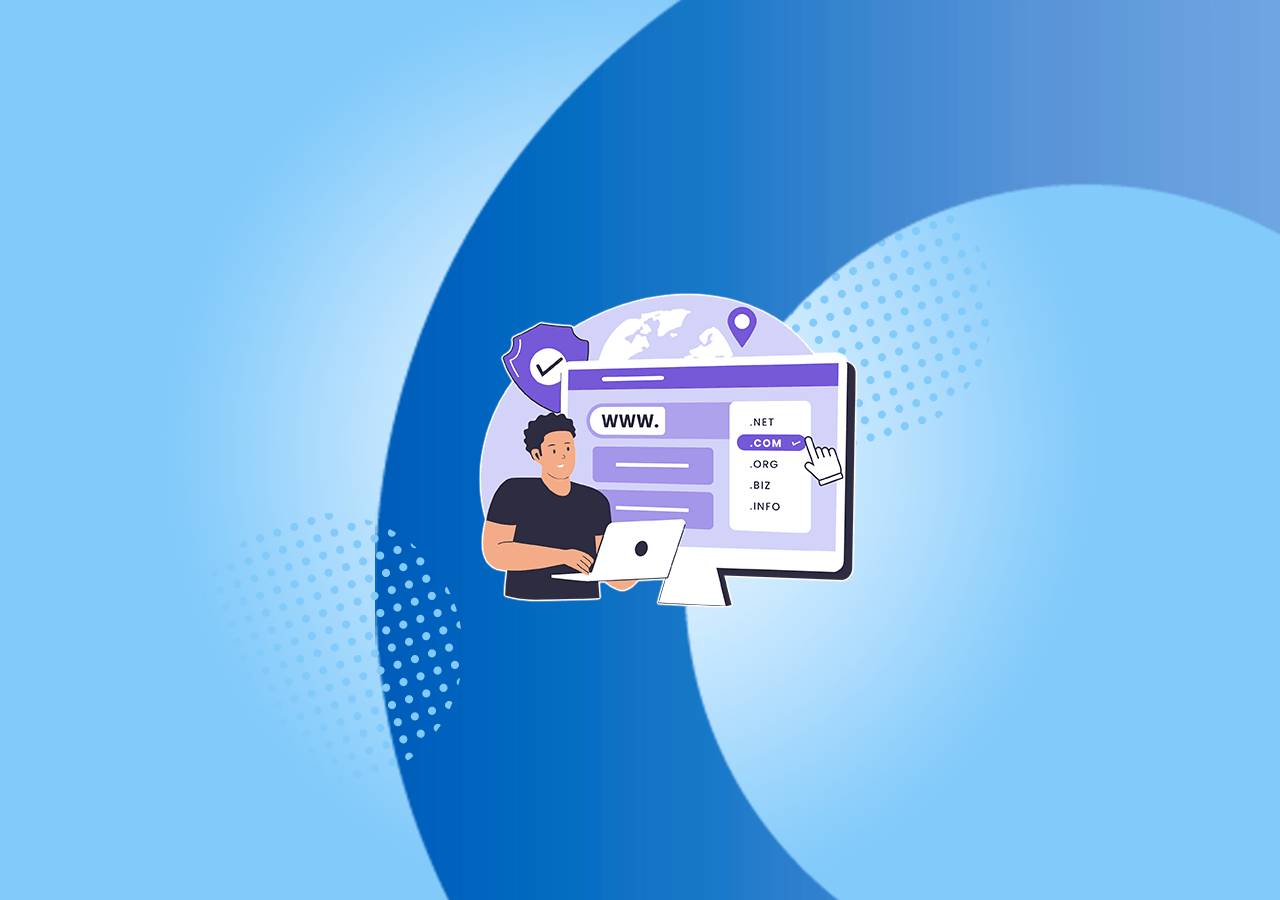
At its simplest, a website domain is the address people type into a browser to visit your website. Think of it like your business’s street address, but online. Without a domain, your website wouldn’t have a place to live on the internet, and customers wouldn’t be able to find you easily.
Domains are made up of two main parts: the name and the extension. For example, in www.YourBusinessName.com, “YourBusinessName” is the domain name, and “.com” is the domain extension.
The Importance of a Domain for Home Service Businesses
Your domain is often the first impression potential customers have of your business. A clear, professional domain:
- Builds credibility and trust
- Makes it easy for customers to find your business online
- Supports your branding and marketing efforts
- Helps with search engine optimization (SEO) so people in your area can find you
For home service contractors, having a strong, memorable domain is especially important. Customers often search for services like “emergency plumber near me” or “HVAC repair Tampa” and will choose the business that looks professional and trustworthy.
Types of Domain Extensions
Not all domains end in .com. There are many extensions available today, and knowing which one to choose can affect your online presence.
Common Domain Extensions
- .com – The most common and widely recognized extension. Ideal for almost any business.
- .net – Traditionally used by tech companies but can be an alternative if the .com is taken.
- .org – Typically for nonprofits but can work for community-focused services.
- .biz – A business-specific extension, but less commonly used than .com.
- .us, .co, .online – Regional or modern alternatives that can work if your preferred .com is unavailable.
For most home service businesses, .com remains the best choice because it’s familiar and trusted by customers.
How a Domain Works
Behind the scenes, a domain works with something called the Domain Name System (DNS). DNS translates the human-friendly domain name into an IP address that computers use to locate your website. Think of it like a phone book for the internet: it turns the website name into a route your customer’s browser can follow.
Even though the technical details can seem complicated, the main thing to know is that a properly set up domain ensures your website loads quickly and is accessible to customers whenever they need it.
Choosing the Right Domain for Your Business
Picking the right domain is one of the most important steps for establishing your online presence. Here’s what home service contractors should consider:
Keep It Short and Simple
Shorter domains are easier to remember and less prone to typos. Try to stick to one or two words related to your business, like NameHVAC.com or NameTampa.com.
Make It Relevant to Your Service
Your domain should reflect the services you offer. This helps customers know immediately what your business is about. For example, including “HVAC” or “Plumbing” in your domain can improve your visibility in local searches.
Avoid Numbers and Hyphens
Numbers and hyphens can confuse people and are often mistyped. Stick to letters only for maximum clarity.
Check Availability and Trademarks
Before purchasing a domain, check that it’s available and not trademarked by another company. This avoids legal issues and ensures your branding stays unique.
Think Long-Term
Choose a domain that can grow with your business. You may start as a small plumbing business but expand to HVAC or other home services. Pick something flexible enough to accommodate growth.
How to Register a Domain
Once you’ve chosen the perfect domain, you need to register it through a domain registrar. These are companies that manage domain ownership.
Steps to Register a Domain
- Search for your domain name – Use a registrar like GoDaddy, Namecheap, or Google Domains to see if your desired name is available.
- Choose a registration period – Most registrars allow you to register a domain for one to ten years. Longer registrations can protect your brand.
- Purchase the domain – Provide your business details and pay for the registration.
- Set up domain privacy (optional) – Protects your personal information from public WHOIS listings.
- Connect your domain to a website – Link it to your website hosting provider so your site is live online.
Domain vs. Hosting: What’s the Difference?
It’s common for new business owners to confuse a domain with web hosting. Here’s the difference:
- Domain – The address people type to find your website (like www.YourBusiness.com).
- Hosting – The service that stores your website files and makes them accessible online.
You need both to have a functional website. Think of your domain as the street address and hosting as the building where your business operates.
Why Domains Matter for SEO
Search engines like Google use your domain as part of their ranking algorithm. While the domain alone doesn’t guarantee top placement, a relevant, keyword-friendly domain can give your website a boost.
For example, if you own TampaHVACPros.com and regularly publish content about HVAC services in Tampa, Google recognizes the connection between your domain and local search queries. This improves your chances of appearing when someone searches for “HVAC repair Tampa.”
Tips for SEO-Friendly Domains
- Include a relevant keyword related to your services
- Keep the name simple and easy to spell
- Avoid exact-match spammy domains that look unnatural
Common Mistakes to Avoid
Even with the best intentions, some contractors make mistakes when choosing domains:
- Using overly long or complicated names
- Choosing extensions that customers don’t recognize
- Ignoring trademark issues
- Waiting too long to register and losing the name
Avoiding these pitfalls ensures your domain helps rather than hinders your business growth.
How to Protect Your Domain
Once you own a domain, protecting it is crucial. Here’s how:
- Renew on time – Set automatic renewal to avoid losing your domain.
- Use strong passwords – Protect your registrar account from unauthorized access.
- Enable domain privacy – Keeps your contact information private.
- Monitor for unauthorized transfers – Some hackers try to transfer domains without permission.
Redirection and Multiple Domains
Sometimes contractors choose multiple domains to capture local search traffic. For example, TampaPlumbing.com and TampaPlumbers.com. Using domain redirection, you can point all traffic to a single website. This avoids duplicate content issues and ensures all customers find your main website.
How a Professional Agency Can Help
While registering a domain might seem straightforward, there’s more to consider for long-term success. A professional marketing agency can:
- Suggest a domain that strengthens your brand
- Help secure multiple domains and set up proper redirects
- Integrate your domain with website hosting and email
- Optimize your site for local SEO to attract more clients
Working with experts saves you time and ensures you start with a strong online foundation.
Choosing a Domain Is Just the Beginning
Remember, your domain is the doorway to your online business. It’s the first step in building your digital presence, attracting new clients, and growing your home service business. Once you have the right domain, you can focus on building a website, generating leads, and establishing your reputation online.
Trust Optic Marketing Group For Domain Advice and Website Optimization
A website domain is more than just a web address; it’s a powerful tool that helps home service contractors connect with local customers, build credibility, and grow their business. From choosing the right name and extension to registering it safely and optimizing it for search engines, every step matters.
At Optic Marketing Group, we understand the unique challenges home service businesses face online. We take the time to listen to your goals and craft a strategy that works for your specific needs. From domain selection to full-service digital marketing—including web design, SEO, and PPC campaigns—we help you get found by the right customers and grow your business. Trust us to guide you through every step and make your online presence work as hard as you do.
Why Are HVAC Costs Rising? What Contractors and Business Owners Need To Know
Have you noticed your equipment costs going up, labor getting harder to find, and customers pushing back on pricing more than ever before? If so, you are not imagining it. HVAC costs are rising across the board, and it is affecting contractors and home service business owners in real, measurable ways.
The big question is why this is happening and what you can do about it. Let’s break it down in a clear, practical way so you can stay ahead of the curve and keep your business profitable.
The Big Picture: Why HVAC Costs Are Climbing
HVAC cost increases are not coming from just one source. Instead, they are the result of multiple factors hitting the industry at the same time. Supply chain disruptions, regulatory changes, labor shortages, increased demand, and inflation are all contributing to higher prices.
When these pressures overlap, they impact everything from equipment pricing to installation costs and ongoing service rates. Understanding these factors is the first step in making smarter business decisions.
Supply Chain Disruptions Are Still Affecting Equipment Costs
Although supply chains have improved compared to a few years ago, the HVAC industry is still dealing with ongoing challenges. Manufacturers continue to face higher shipping costs, delays, and limited access to key raw materials.
Materials like copper, aluminum, and electronic components remain volatile in price and availability, which directly impacts the cost of HVAC systems.
What This Means for Contractors
- Equipment prices remain elevated
- Lead times can still be unpredictable
- Certain models or parts may be harder to source
What You Can Do
- Work with multiple suppliers to reduce risk
- Plan inventory ahead of peak seasons
- Communicate clearly with customers about timelines
Being proactive instead of reactive can help you avoid delays and protect your margins.
New Refrigerant Regulations Are Driving Up Prices
Environmental regulations are changing the way HVAC systems are designed and manufactured. The transition to more eco-friendly refrigerants is requiring new technology and system redesigns.
As a result, newer HVAC systems are more expensive to produce and install. At the same time, servicing older systems can also become more costly as legacy refrigerants are phased out.
Why This Matters
- Equipment costs are increasing due to redesigns
- Technicians need updated training and certifications
- Older systems may become more expensive to maintain
Actionable Advice
- Educate customers early about upcoming changes
- Position system upgrades as long-term investments
- Train your team so they are prepared for new technologies
Helping customers understand the “why” behind pricing can make conversations much easier.
Labor Shortages Continue to Put Pressure on Wages
The shortage of skilled HVAC technicians is one of the biggest challenges facing the industry today. Demand for experienced workers is high, and the available workforce is limited.
To attract and retain talent, companies are offering higher wages and better benefits, which increases overall operating costs.
The Reality for Business Owners
- Payroll expenses are rising
- Hiring is more competitive than ever
- Existing teams may be stretched thin
Solutions That Work
- Invest in apprenticeship and training programs
- Build a strong company culture to improve retention
- Promote your company as a great place to work
Recruiting is no longer just an HR function. It is a key part of your business strategy.
Increased Demand Is Raising Prices Across the Board
Demand for HVAC services continues to grow. Factors like extreme weather, aging systems, and increased homeownership are driving more service calls and system replacements.
When demand is high and capacity is limited, prices naturally increase.
What This Means
- Higher service rates are becoming standard
- Customers may compare multiple quotes
- Speed and availability are major differentiators
How to Stay Competitive
- Offer maintenance plans for recurring revenue
- Optimize scheduling to handle more jobs efficiently
- Use digital marketing to capture demand quickly
The companies that respond fastest often win the job.
Inflation Is Impacting Every Part of Your Business
Inflation is affecting nearly every expense tied to running an HVAC company. From fuel and insurance to tools and office costs, prices have increased across the board.
According to the U.S. Bureau of Labor Statistics, inflation has significantly impacted transportation, materials, and labor costs in recent years, all of which directly affect HVAC businesses.
Common Areas Affected
- Fuel and vehicle maintenance
- Equipment and replacement parts
- Insurance and overhead costs
- Marketing and advertising budgets
What You Can Do
- Review and update your pricing regularly
- Monitor your expenses closely
- Adjust your services to maintain profitability
Staying on top of your numbers is more important than ever.
Customer Expectations Are Changing
As HVAC costs rise, customers expect more value for their money. They want transparency, fast service, and a smooth overall experience.
Today’s homeowners are more informed and more selective when choosing a contractor.
What Customers Expect Today
- Clear and upfront pricing
- Quick response times
- Professional communication
- Easy online scheduling
How to Deliver
- Improve your website experience
- Use automation tools for communication
- Train your team on customer service best practices
Meeting these expectations helps justify your pricing and builds long-term trust.
How Marketing Plays a Critical Role in Rising HVAC Costs
When expenses increase, it might be tempting to cut marketing. But doing so can actually slow your growth and make it harder to compete.
Smart marketing helps you attract better leads, convert more customers, and build a strong brand that supports higher pricing.
Why Marketing Matters More Than Ever
- You need better returns on every lead
- A strong brand builds trust and credibility
- Visibility helps you capture high-intent customers
Key Marketing Strategies to Focus On
Search Engine Optimization (SEO)
SEO helps your business appear in search results when customers are actively looking for HVAC services. Over time, this reduces your reliance on paid ads.
Pay-Per-Click Advertising (PPC)
PPC campaigns target customers who are ready to book now. This can drive immediate leads, especially during peak seasons.
Website Optimization
Your website should be designed to convert visitors into customers. That means fast load times, clear messaging, and easy navigation.
Reviews and Reputation Management
Positive reviews build trust and help justify higher pricing. Encourage satisfied customers to leave feedback and respond to reviews consistently.
Practical Steps to Protect Your Profit Margins
Understanding rising costs is important, but taking action is what protects your business.
1. Adjust Pricing Strategically
Increase your prices gradually instead of making large jumps. This helps customers adjust and reduces pushback.
2. Focus on High-Margin Services
Prioritize services that generate the most profit, such as system replacements and maintenance plans.
3. Improve Operational Efficiency
- Optimize routes and scheduling
- Reduce downtime between jobs
- Use software to streamline operations
4. Strengthen Customer Relationships
Repeat customers are more valuable and cost less to retain.
- Offer maintenance agreements
- Stay in touch through email or text
- Provide loyalty incentives
5. Invest in Your Brand
A strong brand allows you to stand out and charge confidently. Customers are willing to pay more for companies they trust.
Turning Challenges Into Opportunities
Rising HVAC costs can feel overwhelming, but they also create opportunities for growth. Businesses that adapt, improve their operations, and invest in marketing are better positioned to succeed.
Instead of focusing only on the challenges, look for ways to improve your processes, strengthen your team, and connect with your customers more effectively.
Let Optic Marketing Group Help You Grow Smarter With the Right Strategy
HVAC costs are rising due to a combination of supply chain challenges, regulatory changes, labor shortages, increased demand, and inflation. While these factors are outside of your control, how you respond to them is not.
By adjusting your pricing, improving efficiency, and investing in your marketing, you can protect your margins and continue to grow your business.
If you want to take a deeper dive into the trends shaping the industry and what they mean for your business moving forward, check out our whitepaper on Why Are HVAC Costs Rising?. It goes beyond the surface and gives you a clearer look at where the market is heading, along with insights you can actually use to plan your next moves. It is a great resource if you are serious about staying ahead instead of just keeping up.
At Optic Marketing Group, we understand the challenges home service businesses face because we work with them every day. We take the time to learn your goals and build a strategy that helps you generate better leads, improve conversions, and grow sustainably.
If you are ready to turn rising costs into new opportunities, our team is here to help. All we ask is you to trust us 1 percent. We will earn the other 99 percent.

How HVAC Contractors Can Use Category Entry Points (CEPs) to Boost SEO and Content Strategy
Have you ever wondered why some HVAC companies seem to always show up when a homeowner urgently needs service, while others are nowhere to be found? The difference often comes down to understanding the moments that trigger a homeowner to search for HVAC services. These moments are called Category Entry Points, or CEPs, and mastering them can transform your marketing, content strategy, and SEO results.
If you’ve been relying solely on generic ads like “Call today for fast, reliable service,” you might be missing out on a massive opportunity. CEPs help you connect with potential customers right at the moment they need you most. Let’s dive into what CEPs are, why they matter, and how HVAC contractors can leverage them to grow their business.
What Are Category Entry Points (CEPs)?
Category Entry Points are the real-life situations or triggers that lead someone to search for a product or service. For HVAC contractors, CEPs aren’t just “I need a new AC unit.” They are the specific moments homeowners experience that push them to act, like:
- Feeling their home heat up during a sudden heatwave
- Hearing unusual noises coming from their furnace
- Experiencing poor air quality that triggers allergies
- Wanting to save on energy bills with a new HVAC system
When your marketing and content align with these real-life moments, you position your business as the solution the customer thinks of first.
Why CEPs Matter for HVAC Marketing
Many HVAC businesses focus solely on promoting services rather than addressing customer needs at the right moment. By understanding CEPs, you can:
- Increase brand recall – When your brand appears during a moment of need, homeowners are more likely to remember and trust you.
- Target content effectively – CEPs allow you to create content that matches the exact search intent of your audience.
- Improve conversion rates – If you address the homeowner’s problem at the precise time they are looking for help, they are more likely to choose your service.
- Boost SEO performance – Search engines reward content that matches user intent. By targeting CEPs, you naturally improve your SEO rankings.
Studies show that consumers often perform multiple online searches before deciding on a local service provider. Being present at the right moment can make all the difference in capturing that lead.
Common CEPs for HVAC Contractors
Understanding the common triggers for HVAC-related searches is the first step in building an effective strategy. Here are some key examples:
1. Emergency Repairs
A furnace stops working in the middle of winter, or an AC breaks down during a heatwave. This is often the most urgent CEP. Content that addresses immediate solutions, such as “Emergency AC Repair in Tampa” or “Same-Day Furnace Service,” aligns perfectly with this moment.
2. Seasonal Maintenance
Homeowners start thinking about HVAC maintenance at the beginning of summer or winter. Articles or guides like “Top 5 HVAC Maintenance Tips Before Winter” help your brand appear in front of proactive homeowners.
3. Energy Savings
High energy bills often motivate homeowners to explore HVAC upgrades. Creating content about energy-efficient systems, tax credits, or utility savings can capture attention during this decision-making phase.
4. Air Quality Concerns
Concerns about allergies, pollutants, or indoor air quality create opportunities for content around “How to Improve Indoor Air Quality” or “Best Air Purifiers for HVAC Systems.”
5. System Upgrades or Replacement
Homeowners replacing outdated HVAC systems need guidance on brands, efficiency ratings, and costs. This CEP benefits from content like “How to Choose a New HVAC System for Your Home.”
How to Identify CEPs for Your Business
CEPs aren’t one-size-fits-all. Your customers may have unique triggers based on your service area or the type of HVAC solutions you offer. Here’s how to identify the most effective CEPs for your business:
- Customer Interviews – Ask your past clients what prompted them to call your business. Their answers reveal the key CEPs.
- Review Analysis – Reading reviews on Google and Yelp often shows common problems or needs that led to hiring an HVAC company.
- Keyword Research – Tools like Google Keyword Planner or Ahrefs help identify search terms people use when facing HVAC issues. Look for phrases that indicate urgency or intent, such as “AC not cooling” or “furnace repair fast.”
- Local Trends – Weather patterns, local regulations, and regional preferences can all shape CEPs. For example, areas with high pollen counts may see more searches related to indoor air quality.
By combining these insights, you can create a prioritized list of CEPs that matter most to your target audience.
Using CEPs to Inform Your SEO Strategy
Once you’ve identified your CEPs, the next step is applying them to your SEO and content strategy. Here’s how:
1. Map CEPs to Keywords
Each CEP corresponds to specific search queries. For example:
| CEP | Example Keywords |
| Emergency AC repair | “AC repair near me,” “same day AC repair,” “emergency HVAC service” |
| Seasonal maintenance | “AC maintenance checklist,” “furnace tune-up,” “HVAC seasonal service” |
| Energy efficiency | “Energy-efficient HVAC,” “best AC for energy savings,” “reduce HVAC bills” |
| Air quality concerns | “Improve indoor air quality,” “best HVAC air filters,” “allergy-friendly AC” |
Mapping CEPs to keywords ensures your content addresses real customer needs and improves your chances of ranking on search engines.
2. Create Targeted Content
Content should directly speak to the homeowner’s situation. Examples include:
- Blog posts: “5 Signs Your AC Needs Immediate Repair”
- Landing pages: “Emergency HVAC Services in Tampa”
- Guides and checklists: “How to Prepare Your Furnace for Winter”
This type of content is more likely to engage readers and encourage them to contact your business.
3. Optimize On-Page SEO
Optimize your on-page SEO to include your CEP keywords in strategic places like titles, headings, meta descriptions, and image alt tags. Make sure the content is easy to read, with clear solutions and calls to action.
4. Use Local SEO
Many HVAC searches are local. Ensure your Google Business Profile is optimized with services, service areas, and posts addressing CEPs. Encourage satisfied customers to leave reviews that reference specific services and situations.
How CEPs Enhance Your Content Marketing Strategy
CEPs do more than improve SEO—they guide the overall content strategy. Here’s how:
- Customer-centric approach – By focusing on real-life needs, your content is relevant and helpful rather than just promotional.
- Cross-channel consistency – CEPs can guide messaging across blogs, social media, email, and paid ads, ensuring your brand speaks to the same needs everywhere.
- Higher engagement – Content that addresses a homeowner’s exact situation is more likely to be read, shared, and referenced.
- Long-term authority – Consistently answering questions at key moments builds trust and positions your brand as a go-to expert.
For example, sharing a blog about emergency AC repair on social media during a heatwave is more likely to generate leads than a generic post about your services.
Practical Tips for HVAC Contractors to Leverage CEPs
Here are actionable strategies for implementing CEP-focused marketing:
- Audit Existing Content – Identify which blogs, pages, or ads already align with CEPs and where gaps exist.
- Create a CEP Calendar – Plan content around seasonal or predictable triggers, like summer AC breakdowns or winter furnace issues.
- Segment Your Audience – Tailor messages for different customer personas, such as first-time homeowners, property managers, or commercial clients.
- Combine SEO and Paid Ads – Use CEP keywords in Google Ads campaigns to capture both organic and paid traffic during high-intent moments.
- Measure and Adjust – Track engagement metrics, calls, and leads to see which CEP-focused content performs best and refine your strategy accordingly.
By consistently connecting with homeowners during these key moments, you increase visibility, leads, and conversions.
Common Mistakes to Avoid with CEP Marketing
Even experienced HVAC marketers can slip up. Here are common pitfalls and how to avoid them:
- Generic Messaging – Phrases like “Fast and Reliable Service” don’t connect with a specific need. Instead, focus on moments like “AC Stopped Working? Get Same-Day Service.”
- Ignoring Local Intent – Not emphasizing your service area can cost you leads from nearby customers.
- Overlooking Long-Tail Keywords – Long-tail keywords reflect actual homeowner problems. Don’t just target “HVAC repair.” Use “Furnace not heating Tampa” to capture high-intent searches.
- Neglecting Content Variety – CEPs can inspire blogs, landing pages, videos, and infographics. Don’t rely on one content type alone.
Avoiding these mistakes ensures your CEP strategy is effective and drives tangible results.
Examples of Effective CEP-Driven Content for HVAC Contractors
Here are a few practical examples:
- Blog Post: “Why Your AC Makes Strange Noises and How to Fix It” – Targets homeowners noticing unusual sounds.
- Landing Page: “Emergency HVAC Services Available 24/7 in Tampa” – Directly addresses urgent needs.
- Guide: “How to Save on Heating Bills This Winter” – Captures homeowners motivated by energy savings.
- Social Media Post: “Spring Allergies? Improve Your Indoor Air Quality with These Tips” – Aligns with air quality concerns.
These examples show how CEPs translate into content that resonates with the homeowner and improves SEO performance.
Measuring Success of Your CEP Strategy
Tracking the effectiveness of a CEP strategy is crucial. Here’s what to measure:
- Organic Traffic – Are you ranking for CEP-related keywords?
- Engagement Metrics – Are visitors reading, sharing, and clicking on calls to action?
- Leads and Conversions – Are CEP-targeted pages generating calls, emails, or appointment requests?
- Local SEO Metrics – Are you appearing in Google Maps searches for your service area?
Regularly reviewing these metrics helps you refine your CEP strategy for maximum impact.
Partnering With Optic Marketing Group to Make CEPs Work for You
Category Entry Points aren’t just a marketing buzzword—they’re a powerful way for HVAC contractors to connect with homeowners at the exact moment they need help. By understanding CEPs, mapping them to keywords, creating targeted content, and optimizing your SEO strategy, you position your business as the go-to solution for local customers.
At Optic Marketing Group, we help HVAC contractors identify the CEPs that matter most and translate them into a content and SEO strategy that drives leads and revenue. With our full-service marketing approach, including web design, SEO, PPC, social media, and media planning, we craft strategies tailored to your unique goals and market. All we ask is that you trust us 1%—we will earn the other 99% and help your business grow from good to great.
If you’re ready to make your marketing smarter, more targeted, and more effective, our team is here to guide you every step of the way.